
Reactive Battlefield Surfaces
Water, oil and fire react on the ground, so every fight is also terrain editing.
- Prototype complexity
- Who plays
- Solo decisions
- Design focus
- Planning · Creativity · Spatial
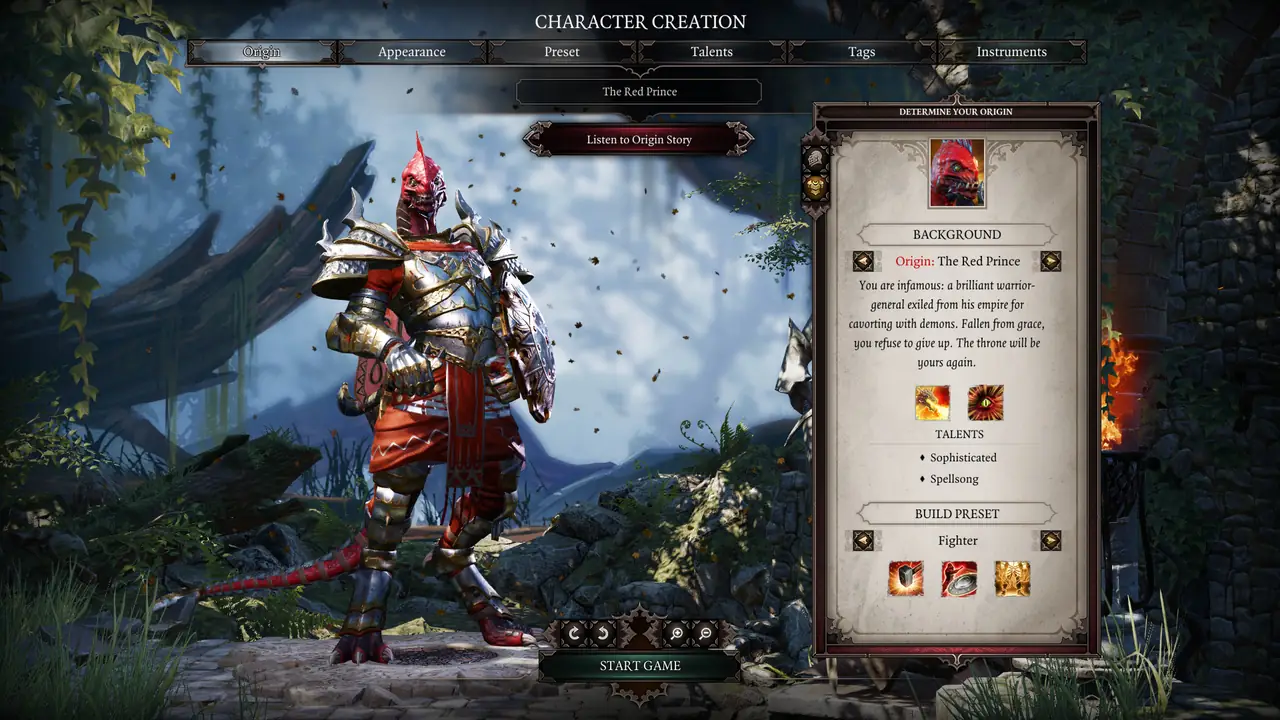 No.028Divinity: Original Sin 2
01The core loop
Action → feedback → next choice- 01Create or find a surface
- 02Lure enemies onto it
- 03Trigger an element reaction
- 04Deal with the aftermath
↻Feedback changes the situation — the next round starts from there.
Walk through one round
A simplified design example. Situations and numbers illustrate the mechanic, not exact rules from a reference game.
- T1
Turn 1 · The situation
Three enemies stand in a rain puddle; your mage has a lightning bolt (12 single-target damage).
- T2
Turn 2 · The player chooses
The mage strikes the water instead of a single enemy.
- T3
Turn 3 · The feedback
The puddle electrifies; all three take damage and are stunned for a turn, leaving electrified water.
- T4
Turn 4 · The next decision
Your melee must path around the live water, so the player replans movement.
How it plays
Skills and items leave surfaces like oil, water, poison or ice, which transform under certain elements: water conducts lightning, oil ignites. Units standing on surfaces gain statuses, so positioning and cast order outweigh raw damage.
What the player weighs
- Big reaction vs. not catching allies
- Spend a turn setting up vs. deal damage now
02Start small
Scope is an editorial estimate for the minimum prototype, not the reference game or a production schedule.
03One mechanic, different implementations
Divinity: Original Sin 2
Its surface and cloud system is extensive: water, blood, oil and poison all transform, with blessed and cursed variants, and battlefields often end up ablaze or electrified.
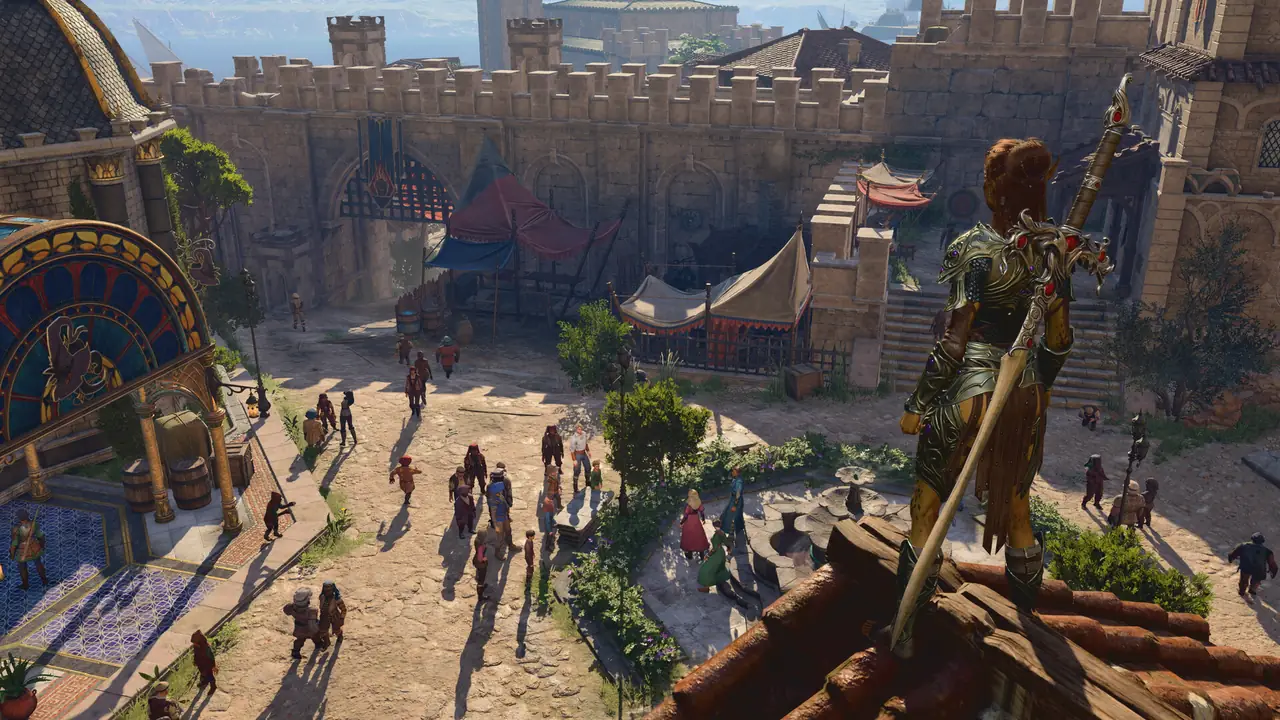
Baldur’s Gate 3
Uses a similar idea under D&D rules: grease makes creatures fall prone, and the Wet condition makes cold and lightning hit harder.
The difference worth noticing
Original Sin 2 puts surfaces center stage; Baldur's Gate 3 folds them into more traditional D&D rules.
Case notes are Yoroll editorial summaries; rules may change between versions.
04What could you combine?
Mix beam routing into combat: bounce a laser off mirrors to ignite oil and melt ice along one path.
Prototype this combo in Yoroll→Follow the next idea

Action Point Budget
Each unit gets a few actions per turn; moving and shooting come from the same pocket.
- Prototype complexity
- Who plays
- Solo decisions
- 01Check remaining actions
- 02Choose move or attack
- 03Spend and resolve
- 04Plan the next unit
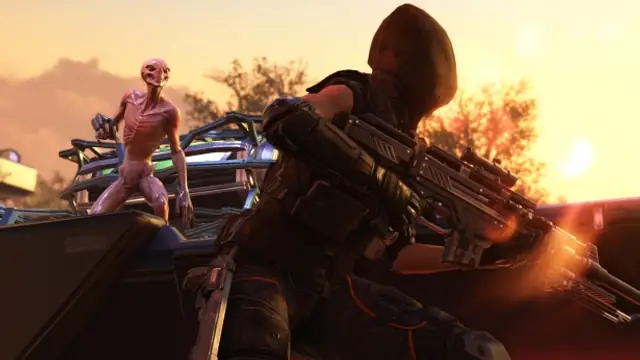
Cover and Flanking
Cover keeps you safe until someone walks around it.
- Prototype complexity
- Who plays
- Solo decisions
- 01Check where cover faces
- 02Move to a flanking angle
- 03Gain an accuracy bonus
- 04Guard against counter-flanks
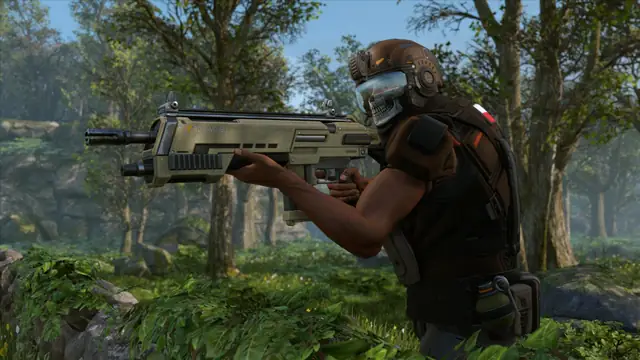
Blow Up the Cover
If the enemy is well hidden, blow up the wall; the battlefield keeps changing.
- Prototype complexity
- Who plays
- Solo decisions
- 01Find the cover they rely on
- 02Destroy it with explosives
- 03Enemy is exposed
- 04Follow up the attack