
Countering Enemy Resistances
Some enemies shrug off damage, others are invisible; only prepared counters stop them.
- Prototype complexity
- Who plays
- Solo decisions
- Design focus
- Information · Planning · Risk
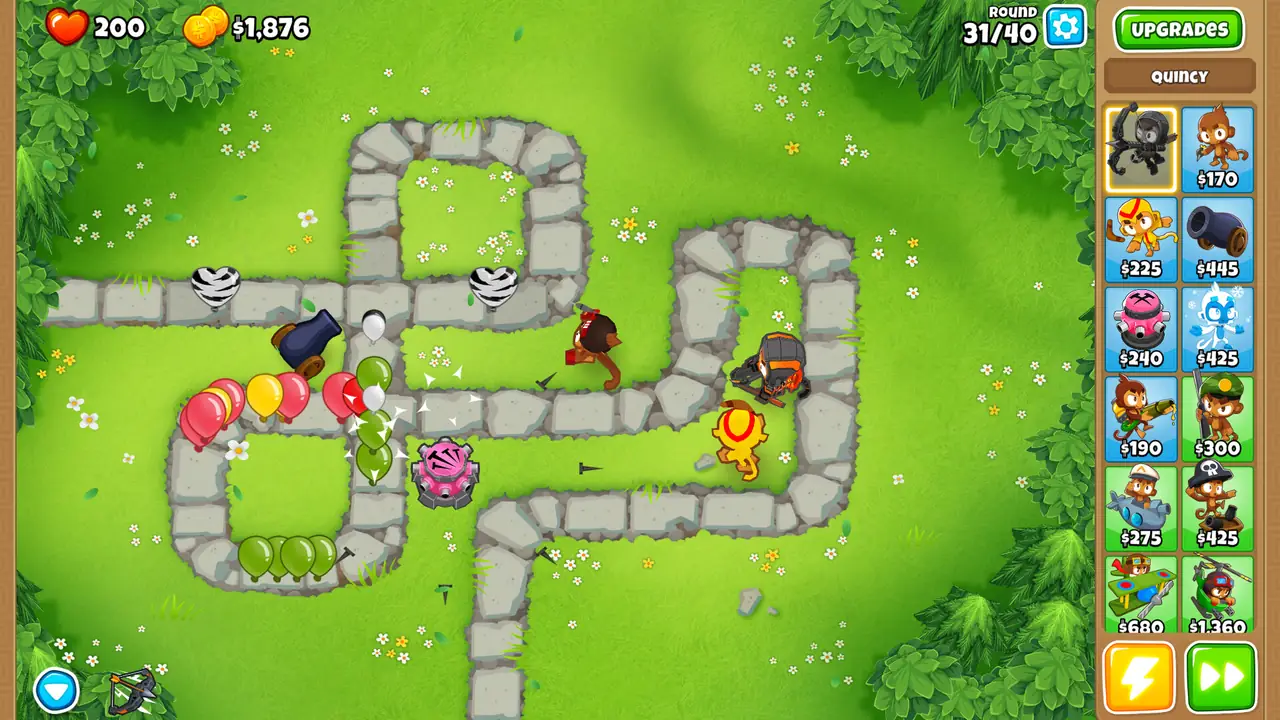 No.088Bloons TD 6
01The core loop
Action → feedback → next choice- 01Preview incoming enemies
- 02Identify resistances
- 03Prepare counters
- 04Test and refine the mix
↻Feedback changes the situation — the next round starts from there.
Walk through one round
A simplified design example. Situations and numbers illustrate the mechanic, not exact rules from a reference game.
- T1
Turn 1 · The situation
Wave 12 brings 6 heavily armored enemies that take 25% from physical towers; magic towers deal full damage but handle swarms poorly.
- T2
Turn 2 · The player chooses
At wave 10 the player sells a physical tower to build a magic one.
- T3
Turn 3 · The feedback
Wave 11 leaks 2 small enemies, but all the armored foes in wave 12 die.
- T4
Turn 4 · The next decision
Wave 13 previews invisible units, so they need a detection option next.
How it plays
Enemies carry traits like armor, magic resistance, invisibility or immunity, and only matching towers or skills handle them well. Players must cover every upcoming resistance on a budget, knowing each counter may sit idle in other waves. Greyed-out damage, ‘immune’ popups and leak counts are key feedback.
What the player weighs
- Build specialists for the current threat, or generalists for coverage.
- Trust wave previews and prepare early, or keep cash to react.
02Start small
Scope is an editorial estimate for the minimum prototype, not the reference game or a production schedule.
03One mechanic, different implementations
Bloons TD 6
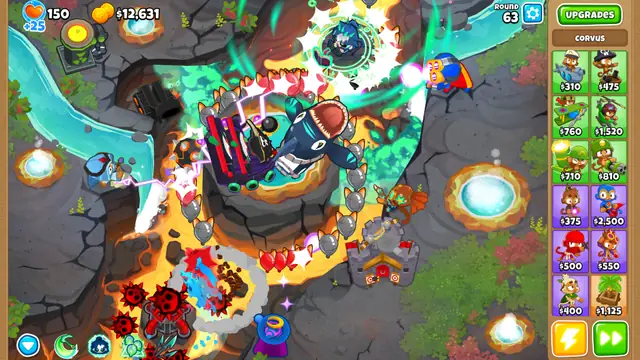
Bloons come in types like lead, camo, black, white and purple, which resist sharp hits, need detection, or resist explosions, freezing or certain energy attacks, forcing diverse tower mixes.
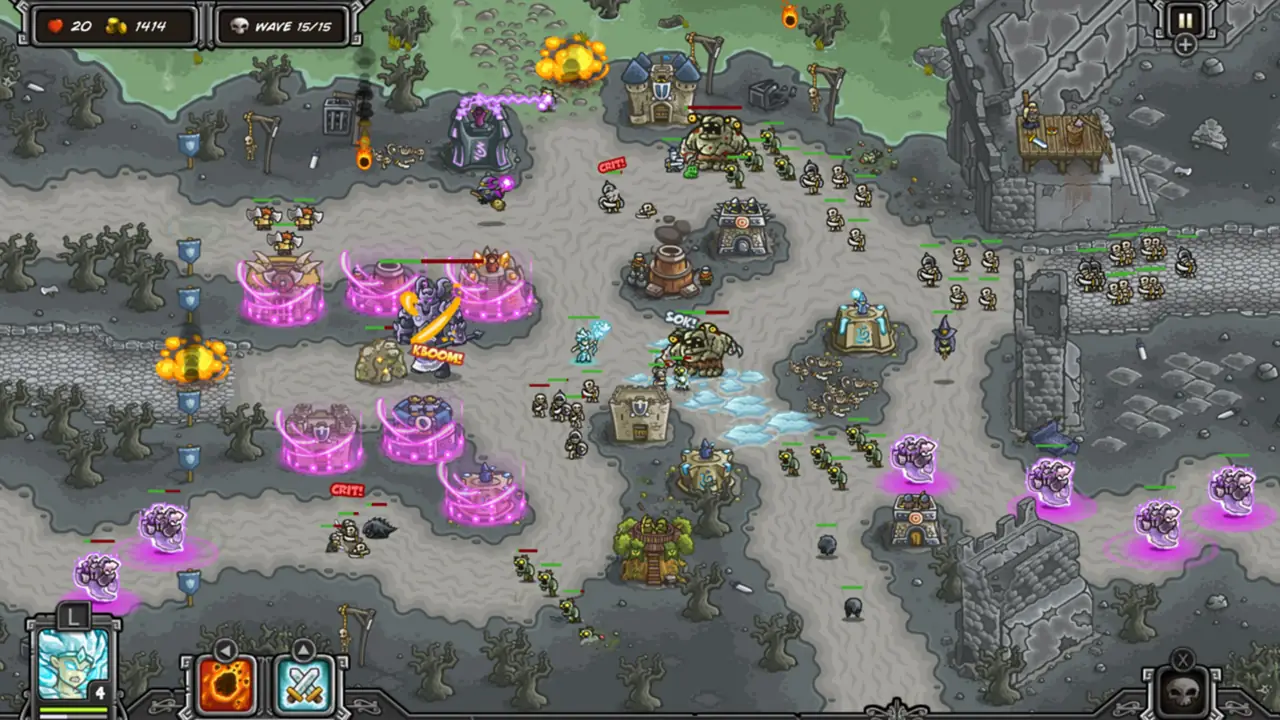
Kingdom Rush
Enemies split mainly into physical armor and magic resistance; archers and barracks struggle with armor while mages pierce it, and flyers need towers that hit air.
The difference worth noticing
Bloons TD 6 builds a dense counter web from many traits; Kingdom Rush keeps two clear axes that are easier to learn.
Case notes are Yoroll editorial summaries; rules may change between versions.
04What could you combine?
New enemies arrive with unknown resistances that players identify by testing towers, revealing traits like identifying mystery items.
Prototype this combo in Yoroll→Follow the next idea
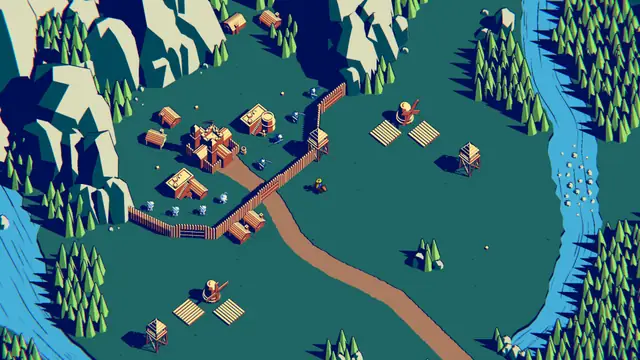
Build by Day, Defend by Night
Spend on growth by day, and the night tests whether you spent wisely.
- Prototype complexity
- Who plays
- Solo decisions
- 01Gather resources by day
- 02Invest in buildings and units
- 03Repel enemies at night
- 04Count losses and replan
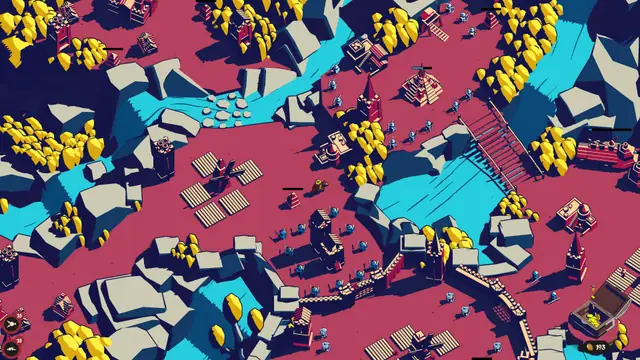
Mobile Defender
Every defense has gaps, and you are the piece that runs over to fill them.
- Prototype complexity
- Who plays
- Solo decisions
- 01Monitor the defense
- 02Spot a weak point
- 03Rush in personally
- 04Stabilize and move on
Turret Target Priority
Towers fire on their own, but you decide who they shoot first.
- Prototype complexity
- Who plays
- Solo decisions
- 01Read the enemy mix
- 02Set each tower's priority
- 03Watch damage distribution
- 04Adjust based on leaks