
Splitting Capacity Across Projects
Your capacity is one pie; only what you slice it to will grow.
- Prototype complexity
- Who plays
- Solo decisions
- Design focus
- Planning · Optimization · Time
 No.158NGU IDLE
01The core loop
Action → feedback → next choice- 01Check each project
- 02Reassign capacity
- 03Let progress tick
- 04Unlock, then rebalance
↻Feedback changes the situation — the next round starts from there.
Walk through one round
A simplified design example. Situations and numbers illustrate the mechanic, not exact rules from a reference game.
- T1
Turn 1 · The situation
You have 100 energy; attack and defense training both need levels, and a long project grants +20% energy cap.
- T2
Turn 2 · The player chooses
You split 40 attack, 20 defense, 40 to the cap project.
- T3
Turn 3 · The feedback
Attack levels in 2 hours; the cap project sits at 60%, defense barely moves.
- T4
Turn 4 · The next decision
The next zone hits harder, so you weigh pausing the cap project.
How it plays
You have a fixed pool of energy or workers to spread across several ongoing projects. Each one's speed scales with what you put in, often with diminishing returns or thresholds. Finishing projects unlocks new ones or raises your pool, prompting a reshuffle.
What the player weighs
- Concentrating breaks through faster; spreading is broad but slow
- Investing in capacity pays later but stalls progress now
02Start small
Scope is an editorial estimate for the minimum prototype, not the reference game or a production schedule.
03One mechanic, different implementations
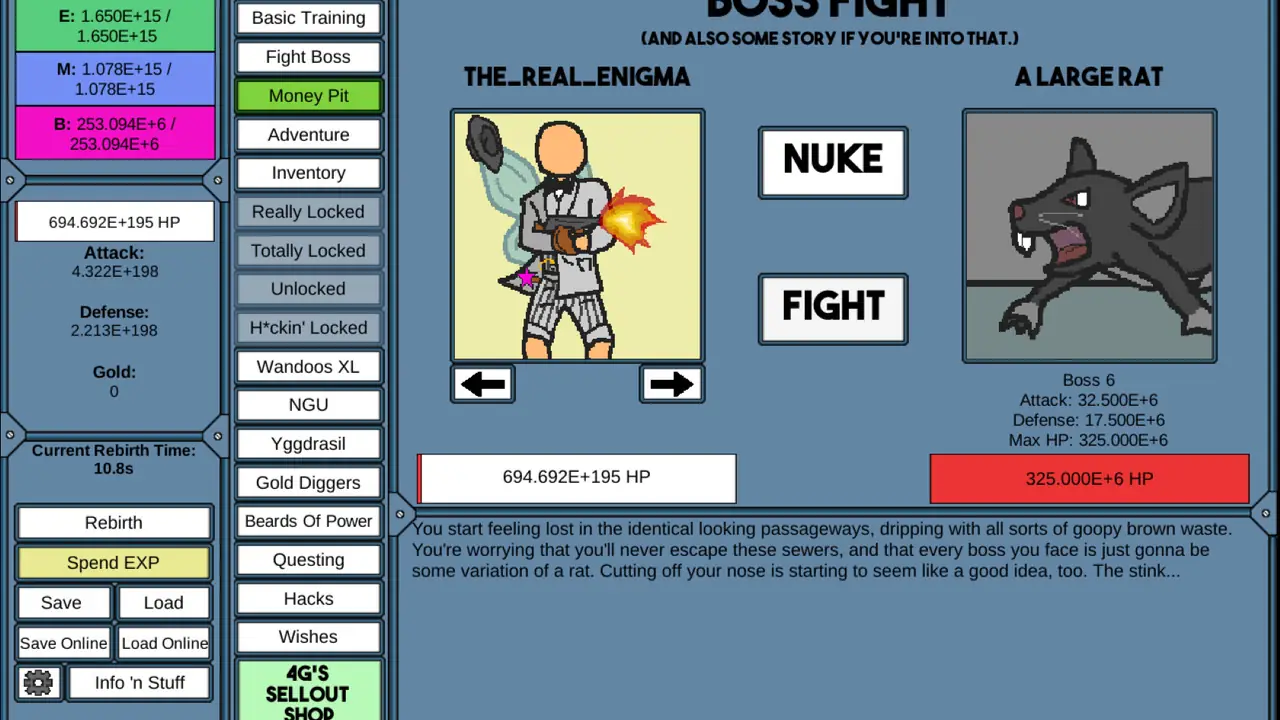
NGU IDLE
Energy and magic are assigned across Basic Training, Augments, the Time Machine, NGUs and more, adjusted constantly as the core routine.
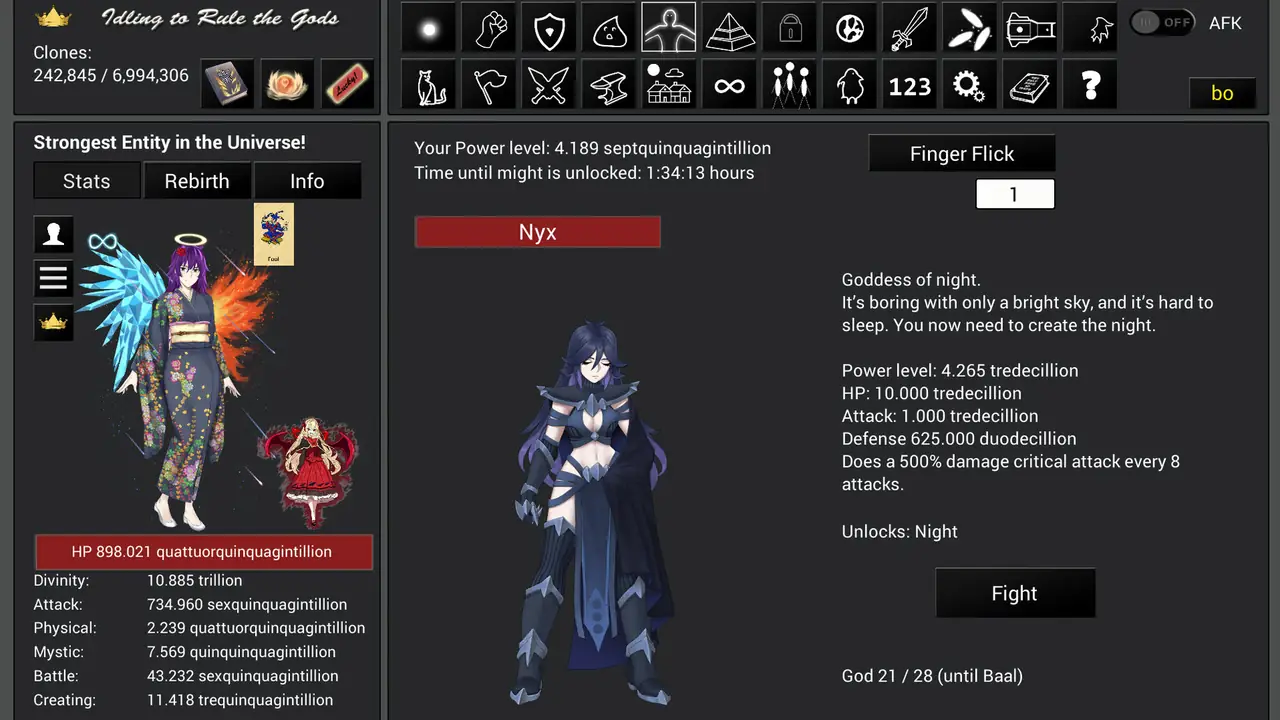
Idling to Rule the Gods
Clones are assigned to training, fighting or building creations, balancing several tracks with a limited clone count (details hedged).
The difference worth noticing
NGU IDLE spreads several resources across many dense panels; Idling to Rule the Gods centers on clone count as the unit.
Case notes are Yoroll editorial summaries; rules may change between versions.
04What could you combine?
Add sensor rules—'when this bar fills, move energy to that one'—so players graduate from allocating to writing allocation logic.
Prototype this combo in Yoroll→Follow the next idea
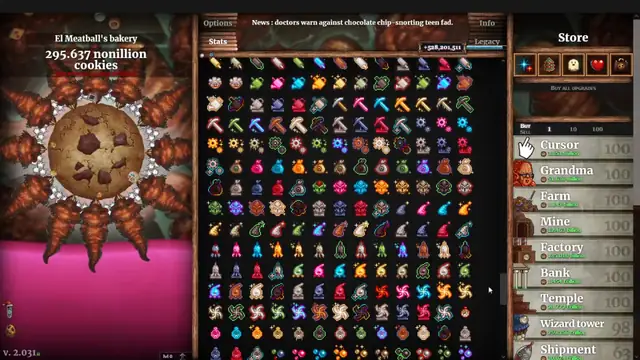
Escalating Copy Prices
The first is cheap, the hundredth outrageous, so you keep rotating purchases.
- Prototype complexity
- Who plays
- Solo decisions
- 01Compare value per cost
- 02Buy the best deal
- 03Its price rises
- 04Compare again
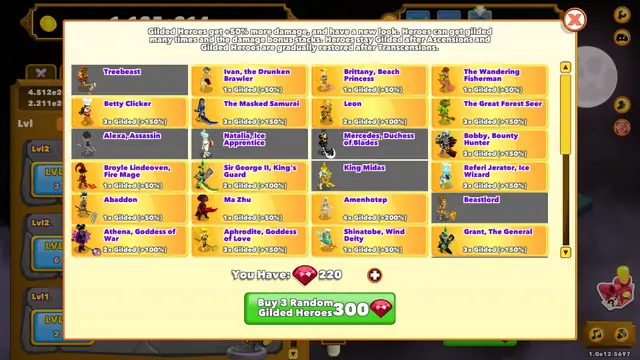
Dispatching Limited Teams
You only have so many crews, and each one sent is gone until it returns.
- Prototype complexity
- Who plays
- Solo decisions
- 01Browse open missions
- 02Assign a team
- 03Wait out the timer
- 04Collect or eat losses
Setting Up Before You Leave
Your last minute before logging off decides the next eight hours.
- Prototype complexity
- Who plays
- Solo decisions
- 01Check every output
- 02Plan for time away
- 03Log off
- 04Return and collect