
Riding Moving Platforms
Board on time, borrow its momentum, and leap off before it carries you into danger.
- Prototype complexity
- Who plays
- Solo decisions
- Design focus
- Timing · Spatial · Planning
 No.179Celeste
01The core loop
Action → feedback → next choice- 01Read the platform's cycle
- 02Board at a safe moment
- 03Ride and reposition
- 04Jump off with momentum
↻Feedback changes the situation — the next round starts from there.
Walk through one round
A simplified design example. Situations and numbers illustrate the mechanic, not exact rules from a reference game.
- T1
Turn 1 · The situation
A platform moves 10 tiles right in 1 s, pauses 1 s, then returns; a spike wall sits 2 tiles past its end.
- T2
Turn 2 · The player chooses
The player boards at the start and jumps at 0.8 s, mid-travel.
- T3
Turn 3 · The feedback
Inherited speed carries them 7 tiles up and right to a ledge unreachable from a standing jump.
- T4
Turn 4 · The next decision
The next platform moves vertically, testing whether they generalize the momentum trick.
How it plays
Platforms follow fixed paths or are triggered by the player; standing on one moves you with it, and jumping off often adds its velocity to yours. The challenge is getting on and off within windows set by the cycle and nearby hazards. Machine sounds, warning lights and visible tracks telegraph the path.
What the player weighs
- Jump at peak speed for distance, or wait for it to slow for control.
- Board now in a tight window, or wait a full cycle and lose time.
02Start small
Scope is an editorial estimate for the minimum prototype, not the reference game or a production schedule.
03One mechanic, different implementations
Celeste
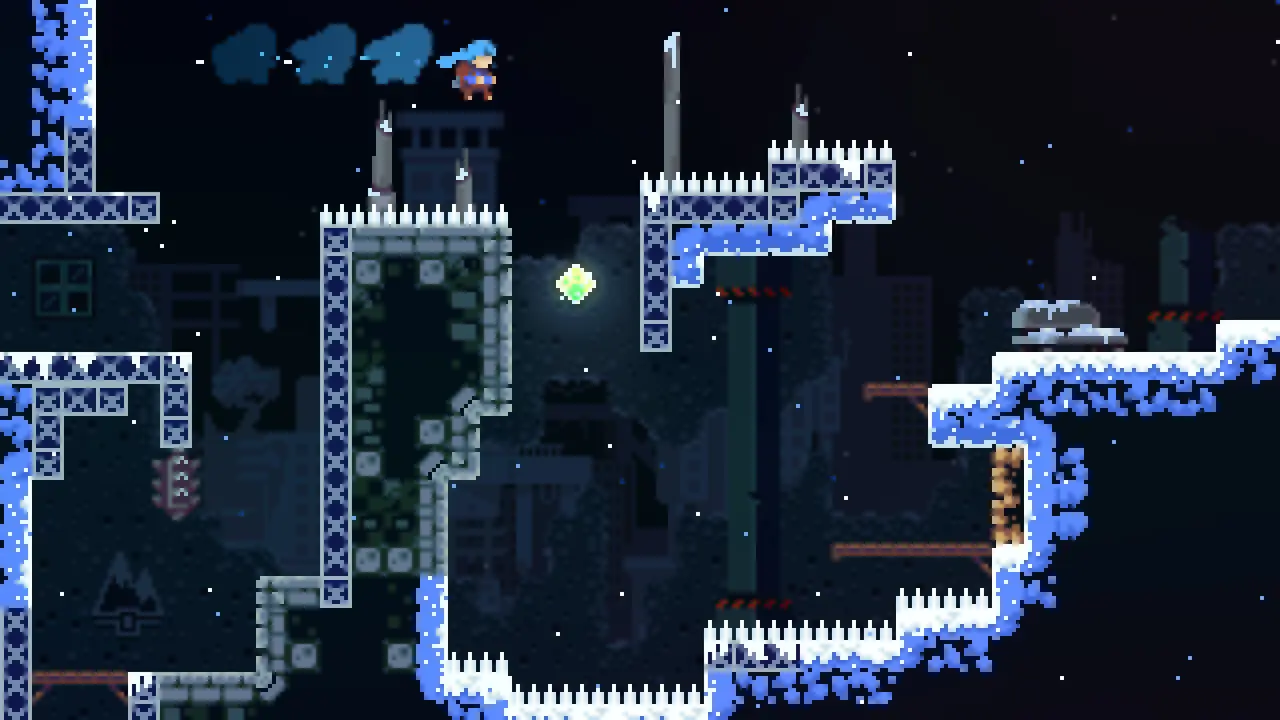
Some blocks rush along a track when touched, and jumping off at the right moment borrows their speed for a much longer leap, a core technique in several chapters.
Portal 2
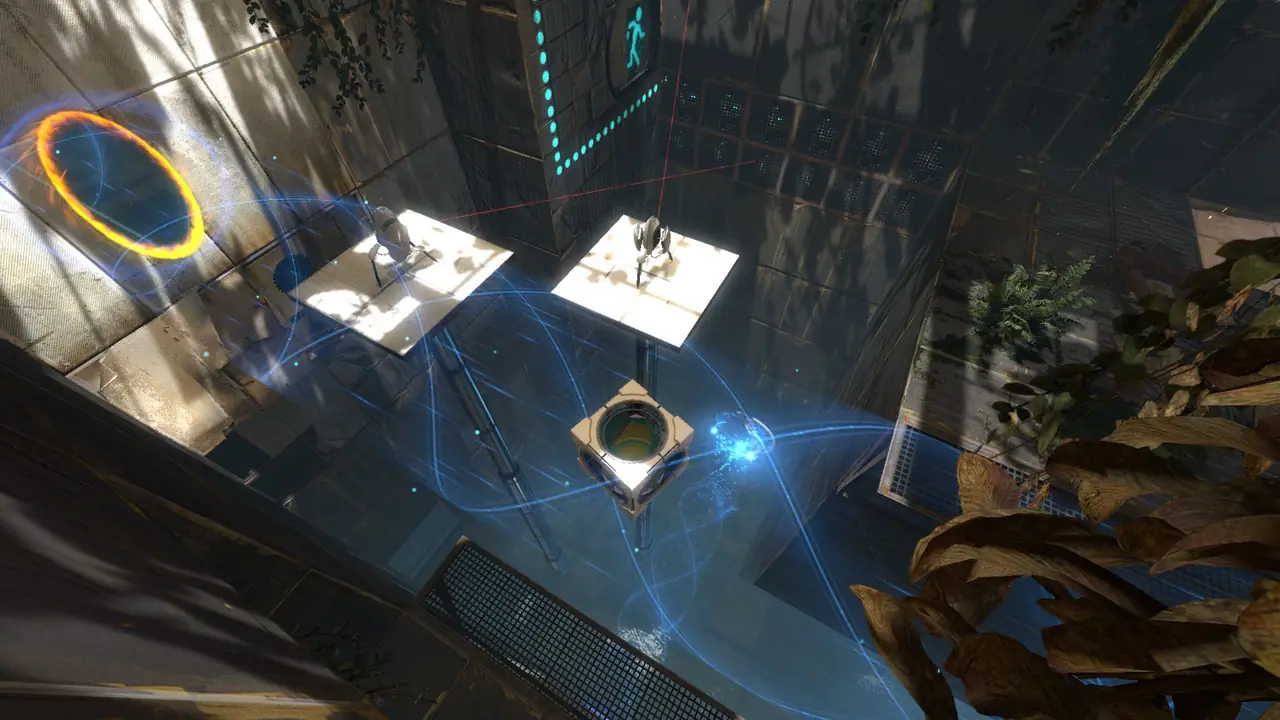
Moving panels and chamber machinery reshape surfaces mid-puzzle, and moving surfaces generally can't hold portals, so players time when to place portals and when to step through.
The difference worth noticing
Celeste uses platforms as a speed source for execution; Portal 2 uses moving parts mainly as timing constraints within logic puzzles.
Case notes are Yoroll editorial summaries; rules may change between versions.
04What could you combine?
Mount mirrors on platforms that halt while ridden, so players stop each one exactly where its mirror bends a beam into the receiver.
Prototype this combo in Yoroll→Follow the next idea
Air Actions and Refills
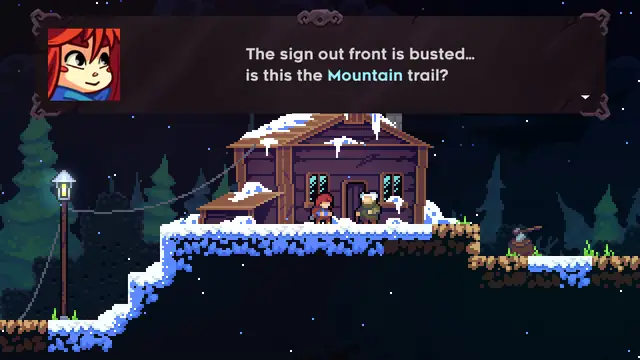
You get one midair burst; glowing pickups hand it back, and the route takes shape.
- Prototype complexity
- Who plays
- Solo decisions
- 01Leave ground with one charge
- 02Spend it on a dash
- 03Touch a refill node
- 04Dash again to reach goal

Stamina Climbing Routes
Every handhold drains a meter, so the climb is planned around where you can rest.
- Prototype complexity
- Who plays
- Solo decisions
- 01Scan the wall for ledges
- 02Climb while stamina drains
- 03Rest on a ledge
- 04Push to the next rest
Glide and Pick a Landing
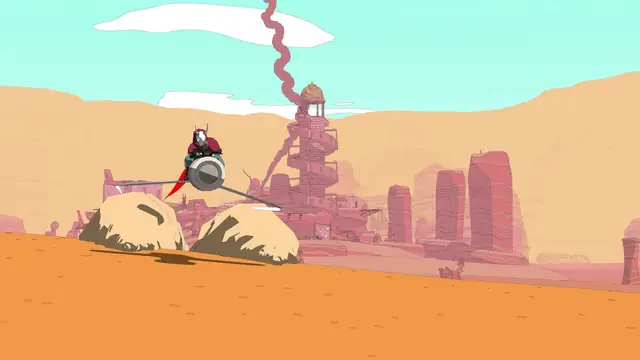
Height is fuel: spend it gliding, then pick where to touch down.
- Prototype complexity
- Who plays
- Solo decisions
- 01Climb to gain height
- 02Open glider and survey
- 03Steer toward a landmark
- 04Land and explore