
Hiding Spots and Exit Timing
Getting in is easy; picking the right moment to come out is the game.
- Prototype complexity
- Who plays
- Solo decisions
- Design focus
- Timing · Risk · Information
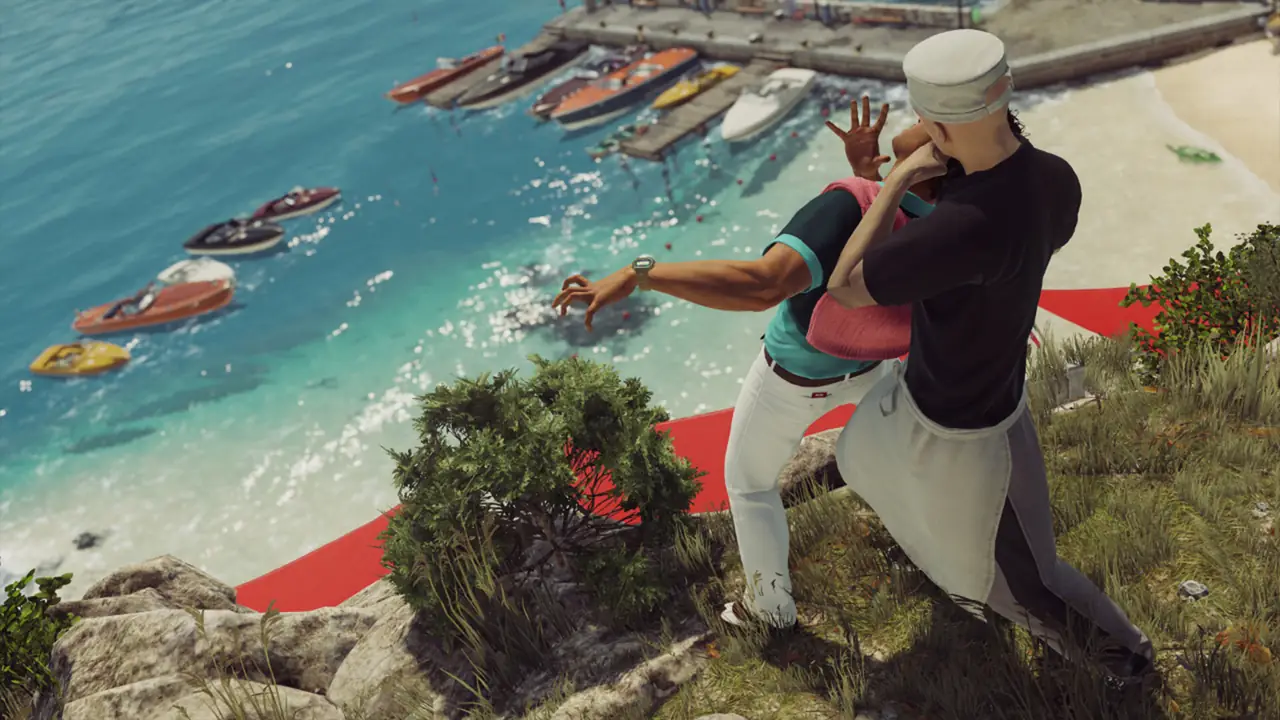 No.110HITMAN World of Assassination
01The core loop
Action → feedback → next choice- 01Find cover under pressure
- 02Hide and watch
- 03Wait for a patrol gap
- 04Exit and advance
↻Feedback changes the situation — the next round starts from there.
Walk through one round
A simplified design example. Situations and numbers illustrate the mechanic, not exact rules from a reference game.
- T1
Turn 1 · The situation
You're in a closet; a guard circles every 10 s and faces away from it for only 3 s.
- T2
Turn 2 · The player chooses
You exit on the first second of his turn and take 2 s to reach the door shadow.
- T3
Turn 3 · The feedback
By the time he turns, you're out of view; the edge alert never lights.
- T4
Turn 4 · The next decision
The next room has no hiding spots, only shadows and timing.
How it plays
Closets, shadows and bushes make you temporarily invisible but limit your view. If seen entering, enemies search it directly. Exiting has a brief exposed animation, so you need a window when patrols face away.
What the player weighs
- Waiting longer feels safer, but timers and patrol shifts may worsen things
- Safer spots usually give a narrower view
02Start small
Scope is an editorial estimate for the minimum prototype, not the reference game or a production schedule.
03One mechanic, different implementations
HITMAN World of Assassination
47 can hide in closets and crates; NPCs who see him enter will check them, so exits must be timed to sightlines.
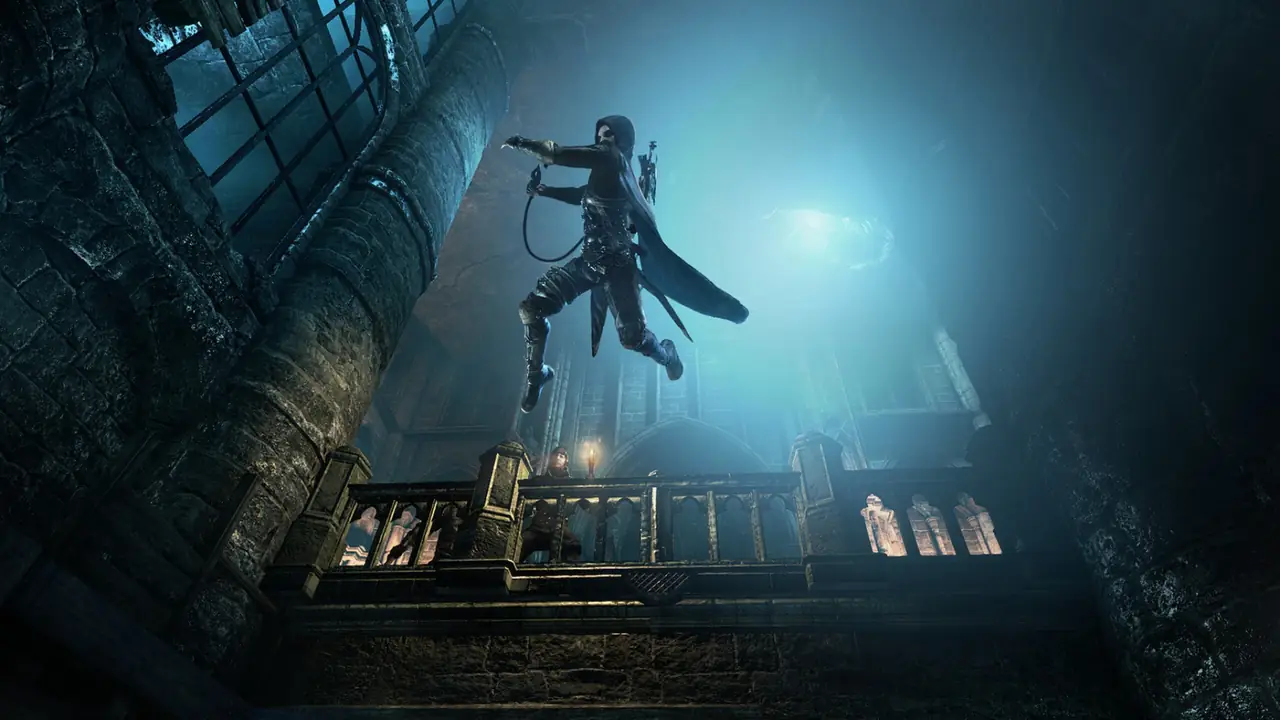
Thief
The originals rely mostly on shadows rather than enterable closets; standing still in darkness lets guards walk right past.
The difference worth noticing
HITMAN's hiding spots are discrete objects; Thief turns every patch of darkness into one.
Case notes are Yoroll editorial summaries; rules may change between versions.
04What could you combine?
Give hiding spots slots: a closet holding you can't hold a body, a bush with stashed gear can't hide a person.
Prototype this combo in Yoroll→Follow the next idea
Rising Alert Stealth Routes
Guards don't spot you instantly; suspicion builds, and you reroute inside that buffer.
- Prototype complexity
- Who plays
- Solo decisions
- 01Read patrols and sightlines
- 02Commit to a route
- 03Suspicion meter climbs
- 04Break contact or reroute
Disguise Access Rights
Every outfit unlocks a different map, but someone always sees through it.
- Prototype complexity
- Who plays
- Solo decisions
- 01Locate the needed outfit
- 02Subdue or steal to change
- 03Enter newly allowed zones
- 04Avoid those who see through
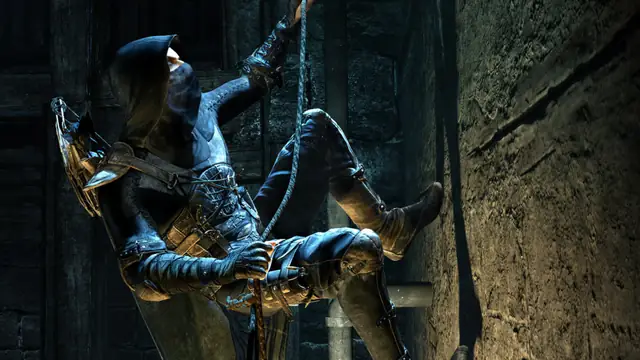
Moving Through Light and Shadow
Shadow is your armor; every lamp is a problem to solve.
- Prototype complexity
- Who plays
- Solo decisions
- 01Read the light map
- 02Advance through darkness
- 03Deal with blocking lights
- 04Watch your visibility gauge