
Staged Accidents
Let chandeliers, wires and wet floors do the work so it looks like bad luck.
- Prototype complexity
- Who plays
- Solo decisions
- Design focus
- Planning · Timing · Creativity
 No.112HITMAN World of Assassination
01The core loop
Action → feedback → next choice- 01Find a usable hazard
- 02Rig it and wait
- 03Trigger the accident
- 04Watch the scene react
↻Feedback changes the situation — the next round starts from there.
Walk through one round
A simplified design example. Situations and numbers illustrate the mechanic, not exact rules from a reference game.
- T1
Turn 1 · The situation
Every 90 s the target speaks under a chandelier for 20 s; its rope is upstairs beside a guard.
- T2
Turn 2 · The player chooses
You coin the guard away, then cut the rope 5 s into the speech.
- T3
Turn 3 · The feedback
The chandelier falls; guests scatter and guards shout for a medic without going hostile.
- T4
Turn 4 · The next decision
The crowd floods toward the exits, covering your retreat.
How it plays
Levels hide hazards you can rig: hanging weights, live wires, loose railings. Trigger one when the target is in place and enemies read it as an accident, not an attack, so alert barely rises. Hazards are usually single-use and depend on the target's schedule.
What the player weighs
- Accidents are clean but require waiting for the target to arrive
- Rigging a hazard can be witnessed by bystanders
02Start small
Scope is an editorial estimate for the minimum prototype, not the reference game or a production schedule.
03One mechanic, different implementations
HITMAN World of Assassination
Levels are full of accident options—falling objects, pushes off ledges, electrocution—and accident kills usually aren't treated as murder.
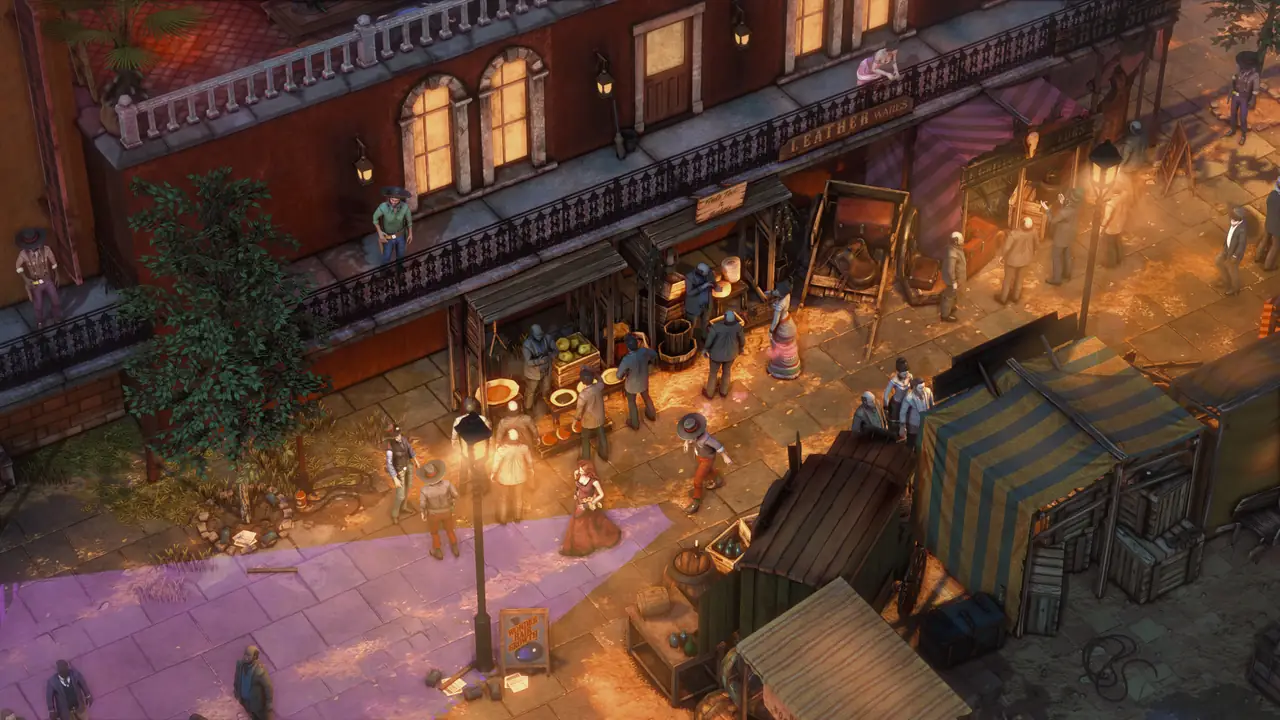
Desperados III
Rocks, suspended loads and similar props can be dropped on enemies; such kills count as accidents and don't raise alarms.
The difference worth noticing
HITMAN builds accidents around one target's schedule; Desperados III uses them as tactical tools against regular guards.
Case notes are Yoroll editorial summaries; rules may change between versions.
04What could you combine?
Mix in box-pushing: shove crates to block routes so the target is forced under your rigged hazard.
Prototype this combo in Yoroll→Follow the next idea
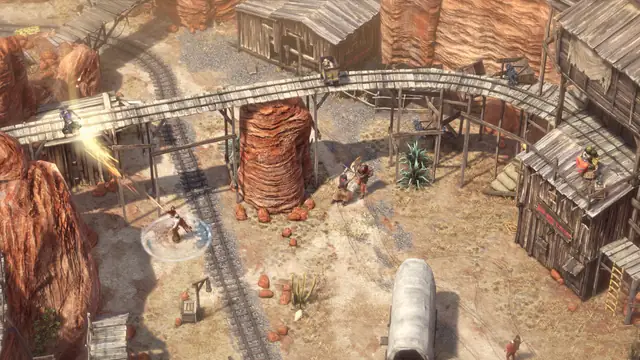
Queued Simultaneous Strikes
Give every squad member one queued move, then fire them all at once.
- Prototype complexity
- Who plays
- Solo decisions
- 01Pause and read the scene
- 02Queue one action each
- 03Trigger together
- 04Check for survivors
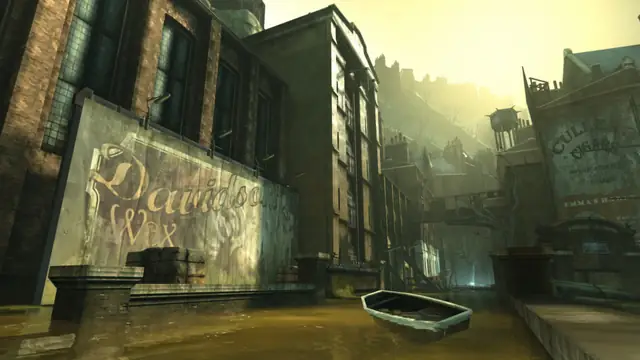
Rising Alert Stealth Routes
Guards don't spot you instantly; suspicion builds, and you reroute inside that buffer.
- Prototype complexity
- Who plays
- Solo decisions
- 01Read patrols and sightlines
- 02Commit to a route
- 03Suspicion meter climbs
- 04Break contact or reroute
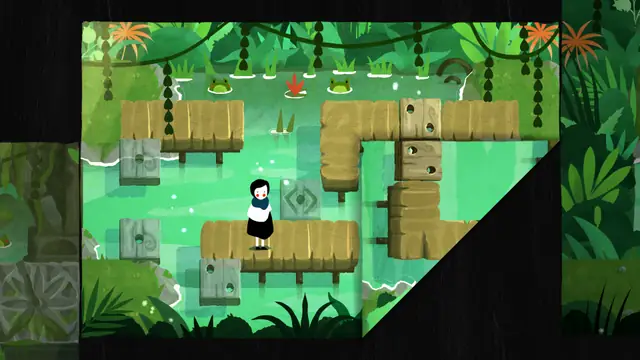
Fold the World to Connect
Two paths don't meet? Fold the paper and they touch.
- Prototype complexity
- Who plays
- Solo decisions
- 01Look at both sides
- 02Choose a fold
- 03Check the new path
- 04Unfold or fold again