
Win the Area by Numbers
Whoever has the most presence in an area controls it.
- Prototype complexity
- Who plays
- Competitive play
- Design focus
- Spatial · Planning
 No.143Root
01The core loop
Action → feedback → next choice- 01Commit units to an area
- 02Compare presence
- 03The majority takes control
- 04Control pays out
↻Feedback changes the situation — the next round starts from there.
Walk through one round
A simplified design example. Situations and numbers illustrate the mechanic, not exact rules from a reference game.
- T1
Turn 1 · The situation
Area A: you 3, rival 2. Area B: 1 each. You can place 2 units this turn.
- T2
Turn 2 · The player chooses
One to A, one to B.
- T3
Turn 3 · The feedback
You lead both by one, but the rival drops 2 into A and retakes it.
- T4
Turn 4 · The next decision
You realize A needs a bigger buffer and concentrate next turn.
How it plays
The map is split into areas where players place units or markers; the one with the most controls it and scores or gains privileges. Overcommitting wastes units, undercommitting loses ground, and ties have special rules. Area colors and scores are the main feedback.
What the player weighs
- Hold one area firmly vs contest many
- Win by one vs keep a buffer
02Start small
Scope is an editorial estimate for the minimum prototype, not the reference game or a production schedule.
03One mechanic, different implementations
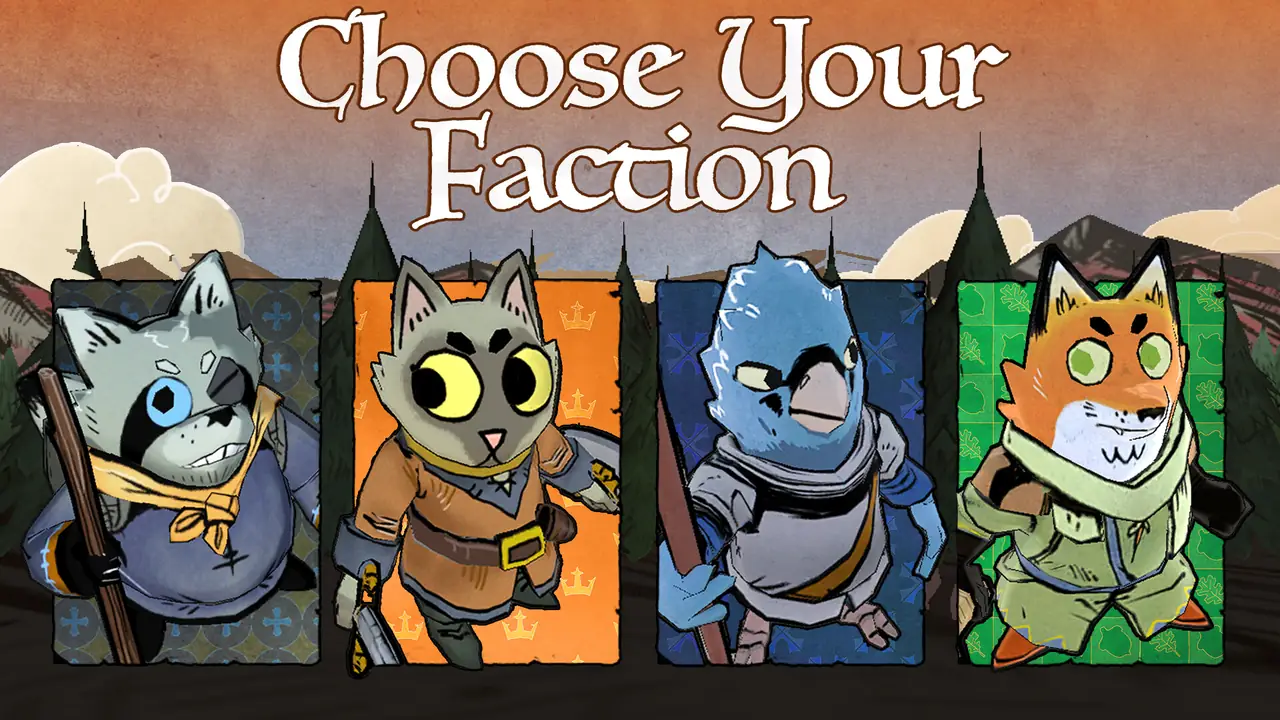
Root
In each clearing, the faction with the most warriors plus buildings rules it, affecting movement and building, and each faction leverages rule differently.
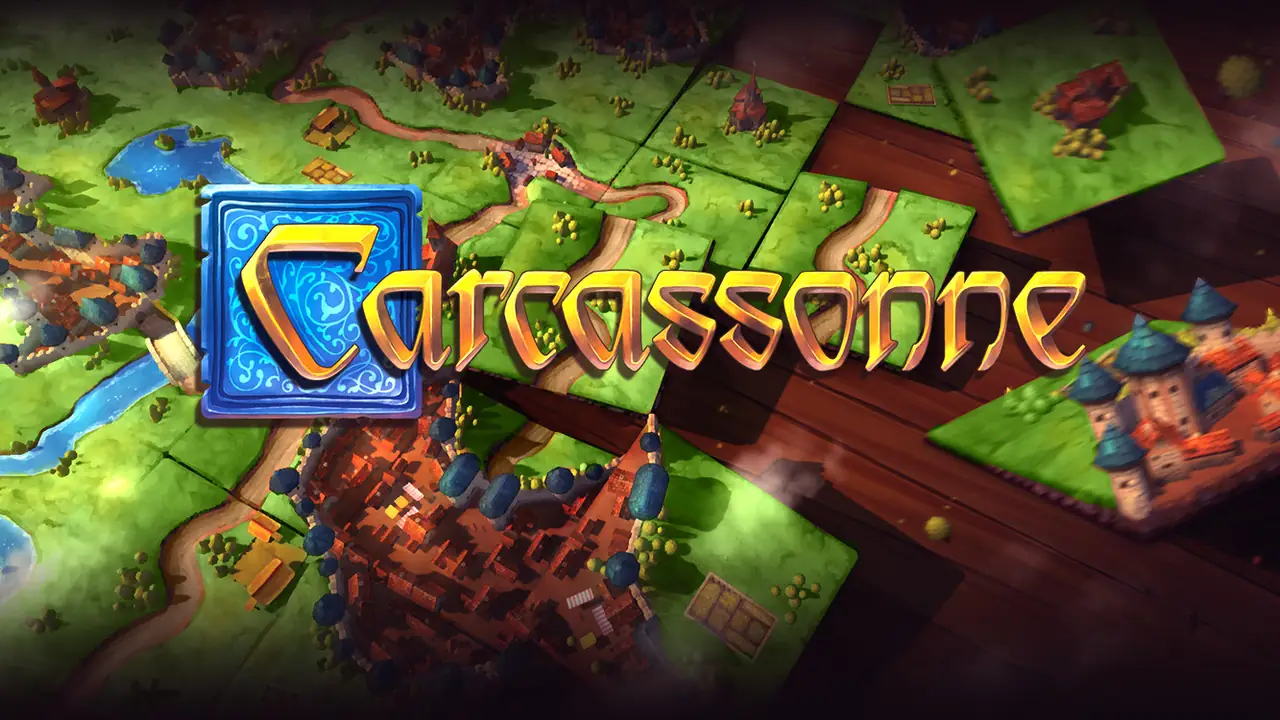
Carcassonne - Tiles & Tactics
Completed cities and roads score for whoever has the most followers, and players often connect tiles to merge into rivals’ features.
The difference worth noticing
Root’s majorities shift through movement and combat; Carcassonne’s are contested quietly through tile placement.
Case notes are Yoroll editorial summaries; rules may change between versions.
04What could you combine?
Controlling an area lets you build a service post covering neighbors, so units split between fighting for majority and extending coverage.
Prototype this combo in Yoroll→Follow the next idea

Pick a Phase Everyone Uses
The phase you choose runs for everyone, but only you get the bonus.
- Prototype complexity
- Who plays
- Competitive play
- 01Secretly choose a phase
- 02Reveal together
- 03Everyone runs chosen phases
- 04Choosers get a bonus
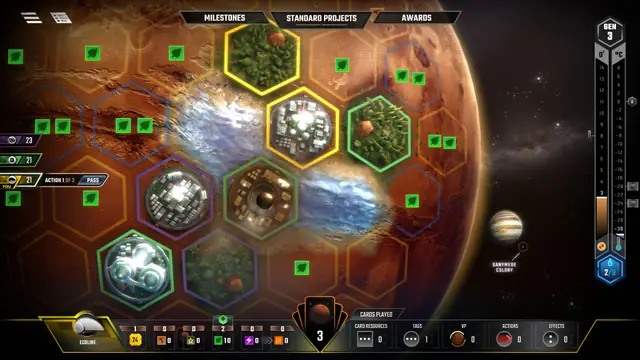
Race for the Shared Goal
The goal is visible to all, but only the first to reach it gets paid.
- Prototype complexity
- Who plays
- Competitive play
- 01Reveal goals and rewards
- 02Gauge your distance
- 03Sprint or abandon
- 04First to finish claims it
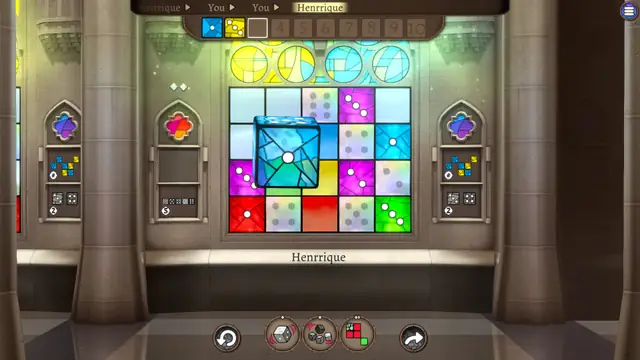
Pick From the Common Pool
Everyone picks from the same pile in turn; what you take, others can’t.
- Prototype complexity
- Who plays
- Competitive play
- 01Reveal a shared pool
- 02Pick in turn order
- 03Read what others need
- 04Take one and build