
Race for the Shared Goal
The goal is visible to all, but only the first to reach it gets paid.
- Prototype complexity
- Who plays
- Competitive play
- Design focus
- Planning · Timing
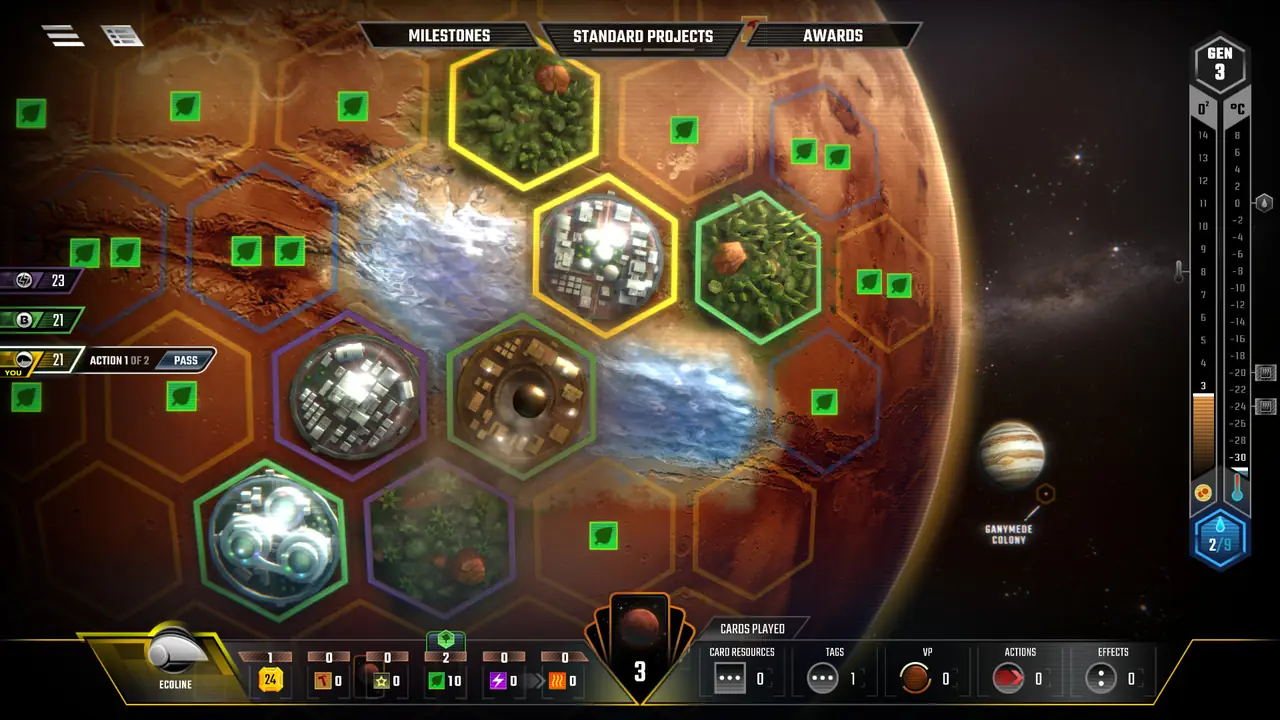 No.145Terraforming Mars
01The core loop
Action → feedback → next choice- 01Reveal goals and rewards
- 02Gauge your distance
- 03Sprint or abandon
- 04First to finish claims it
↻Feedback changes the situation — the next round starts from there.
Walk through one round
A simplified design example. Situations and numbers illustrate the mechanic, not exact rules from a reference game.
- T1
Turn 1 · The situation
‘First to 5 cities’ awards 5 points; you and a rival both have 4, and you can afford one now.
- T2
Turn 2 · The player chooses
Skip your planned upgrade, build now and claim it.
- T3
Turn 3 · The feedback
You get 5 points; the rival builds next turn but gets nothing.
- T4
Turn 4 · The next decision
Your upgrade slips a turn, and your output trails.
How it plays
Several public goals are posted, and qualifying players claim rewards with limited slots or first-only payouts. Players judge whether they can get there first while watching rivals. Goal progress, remaining slots and claim alerts are the feedback.
What the player weighs
- Rush public goals vs advance your own plan
- Claim what you have vs wait for more
02Start small
Scope is an editorial estimate for the minimum prototype, not the reference game or a production schedule.
03One mechanic, different implementations
Terraforming Mars
Milestones are claimed for a fee by qualifying players, three per game, while awards are funded by players and scored by final ranking.

Dune: Imperium
Each round reveals a conflict card that players fight over with troops, with rewards by strength ranking, a public goal reset every round.
The difference worth noticing
Terraforming Mars goals span the game with limited slots; Dune: Imperium’s conflict resets each round with ranked rewards.
Case notes are Yoroll editorial summaries; rules may change between versions.
04What could you combine?
Turn public goals into timed contracts: everyone sees the deadline, the first on-time delivery gets full pay, the second half.
Prototype this combo in Yoroll→Follow the next idea
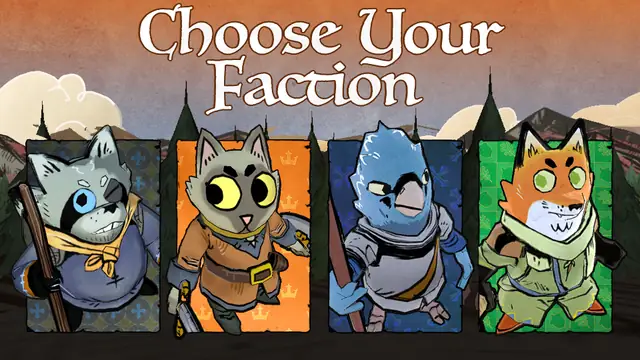
Win the Area by Numbers
Whoever has the most presence in an area controls it.
- Prototype complexity
- Who plays
- Competitive play
- 01Commit units to an area
- 02Compare presence
- 03The majority takes control
- 04Control pays out
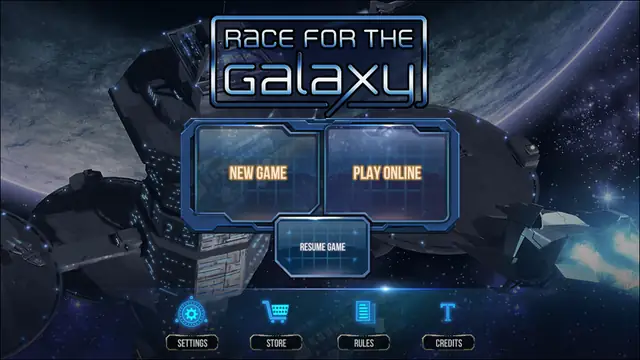
Pick a Phase Everyone Uses
The phase you choose runs for everyone, but only you get the bonus.
- Prototype complexity
- Who plays
- Competitive play
- 01Secretly choose a phase
- 02Reveal together
- 03Everyone runs chosen phases
- 04Choosers get a bonus
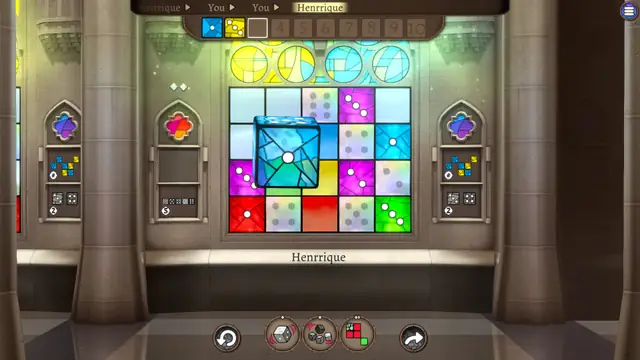
Pick From the Common Pool
Everyone picks from the same pile in turn; what you take, others can’t.
- Prototype complexity
- Who plays
- Competitive play
- 01Reveal a shared pool
- 02Pick in turn order
- 03Read what others need
- 04Take one and build