
Conveyor Routing
Moving items from A to B is easy; keeping every line from tangling is the game.
- Prototype complexity
- Who plays
- Solo decisions
- Design focus
- Spatial · Optimization · Planning
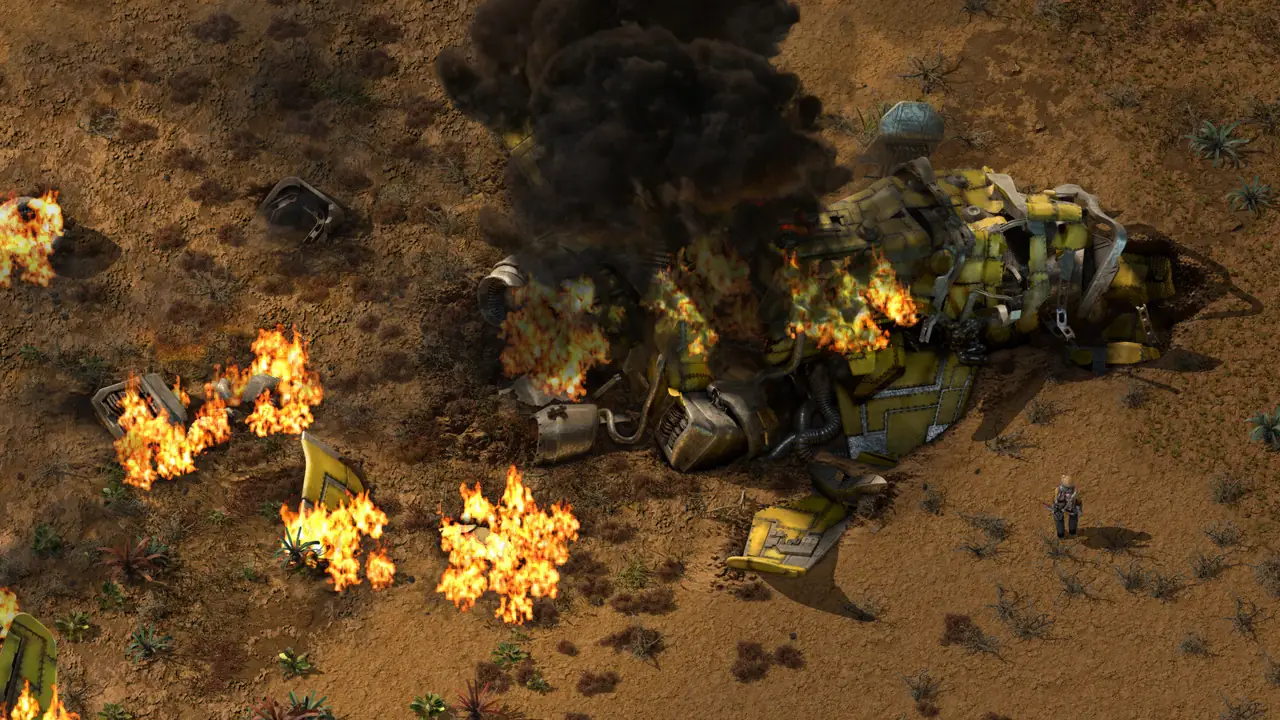 No.001Factorio
01The core loop
Action → feedback → next choice- 01Plan source and destination
- 02Lay belts around obstacles
- 03Watch flow and jams
- 04Reroute or add layers
↻Feedback changes the situation — the next round starts from there.
Walk through one round
A simplified design example. Situations and numbers illustrate the mechanic, not exact rules from a reference game.
- T1
Turn 1 · The situation
Iron output is 60/min but the basic belt carries 45/min and must cross a furnace row.
- T2
Turn 2 · The player chooses
The player tunnels under the furnaces and adds a second parallel belt.
- T3
Turn 3 · The feedback
The jam clears and downstream assemblers go from stalling to full uptime.
- T4
Turn 4 · The next decision
The second belt ate reserved space, so the copper expansion needs replanning.
How it plays
Belts move items at fixed speeds across a grid or 3D space, using underground pieces or lifts to cross. Throughput caps mean full belts back up, and visible item density tells players where to upgrade or split.
What the player weighs
- Compact layout vs room to grow: tighter now means harder rework later.
- One main line vs many short ones: a bus is simple but bottlenecks.
02Start small
Scope is an editorial estimate for the minimum prototype, not the reference game or a production schedule.
03One mechanic, different implementations
Factorio
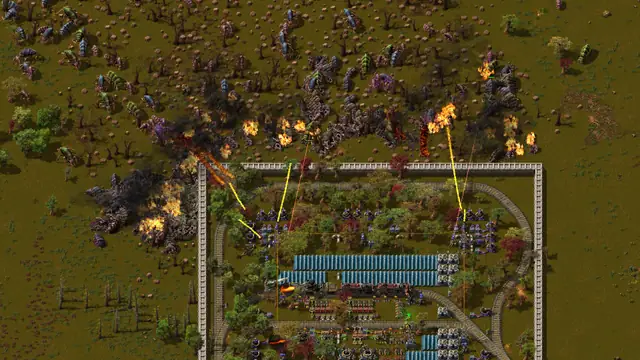
Belts have two lanes, side-loading controls which lane items take, undergrounds pass beneath structures and three tiers set throughput.
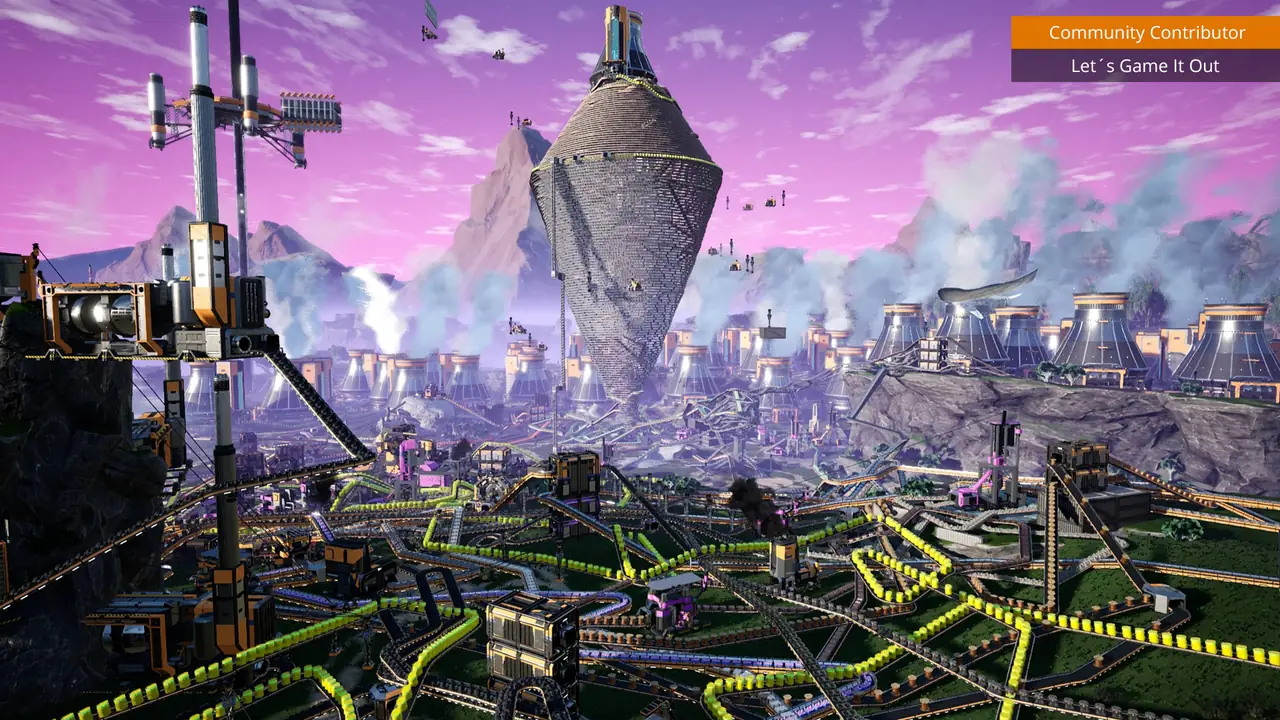
Satisfactory
Belts route freely in 3D with a single lane, using conveyor lifts for height changes and Mk tiers for speed.
The difference worth noticing
Factorio's challenge is lane management on a flat plane; Satisfactory shifts it to vertical space and tidy routing.
Case notes are Yoroll editorial summaries; rules may change between versions.
04What could you combine?
Belts push crates on the map, so players route them like a box-pushing puzzle to shove obstacles aside and open the next path.
Prototype this combo in Yoroll→Follow the next idea
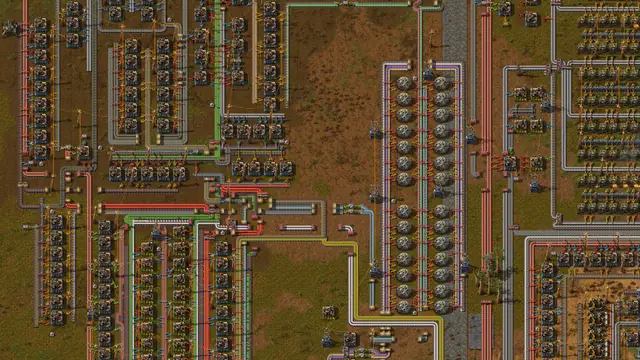
Drone Logistics Network
No belts needed: flying units deliver where needed, but you have to keep them supplied.
- Prototype complexity
- Who plays
- Solo decisions
- 01Build ports and storage
- 02Set requests and supplies
- 03Drones deliver automatically
- 04Expand or refuel the network
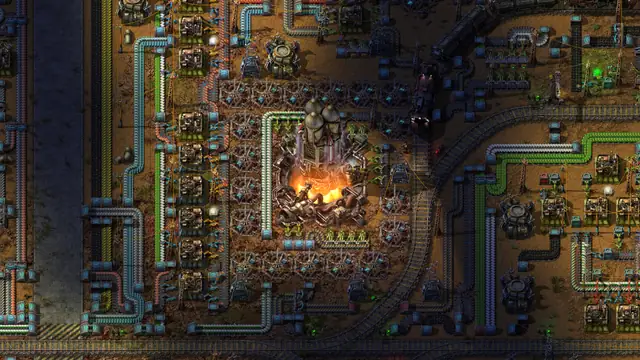
Flow Splitting and Ratios
Feeding several machines from one input comes down to exact ratios and even splits.
- Prototype complexity
- Who plays
- Solo decisions
- 01Calculate each machine's demand
- 02Place splitters and mergers
- 03Check for starved machines
- 04Tune ratios or priority
Reusable Blueprints
Save a well-designed module and stamp it again; you shift from builder to planner.
- Prototype complexity
- Who plays
- Solo decisions
- 01Hand-build a good module
- 02Save it as a blueprint
- 03Stamp it elsewhere
- 04Iterate and revise