
Roads and Entrances
A building isn't open until a road reaches its door.
- Prototype complexity
- Who plays
- Solo decisions
- Design focus
- Spatial · Planning · Optimization
 No.015Timberborn
01The core loop
Action → feedback → next choice- 01Plan a building spot
- 02Connect a road
- 03Check flow and jams
- 04Reroute or widen
↻Feedback changes the situation — the next round starts from there.
Walk through one round
A simplified design example. Situations and numbers illustrate the mechanic, not exact rules from a reference game.
- T1
Turn 1 · The situation
A new lumber yard sits 8 tiles off the road and workers waste time commuting.
- T2
Turn 2 · The player chooses
Build a direct path with a warehouse halfway.
- T3
Turn 3 · The feedback
Haul efficiency +40%, but two farm tiles are lost.
- T4
Turn 4 · The next decision
Consider moving farms across the river.
How it plays
Buildings only work when their entrance links to the road network, and workers, goods and residents travel along it. Detours cut efficiency, bottlenecks jam, and icons flag disconnected buildings.
What the player weighs
- Land for roads or for buildings
- One cheap trunk road or redundant routes
02Start small
Scope is an editorial estimate for the minimum prototype, not the reference game or a production schedule.
03One mechanic, different implementations
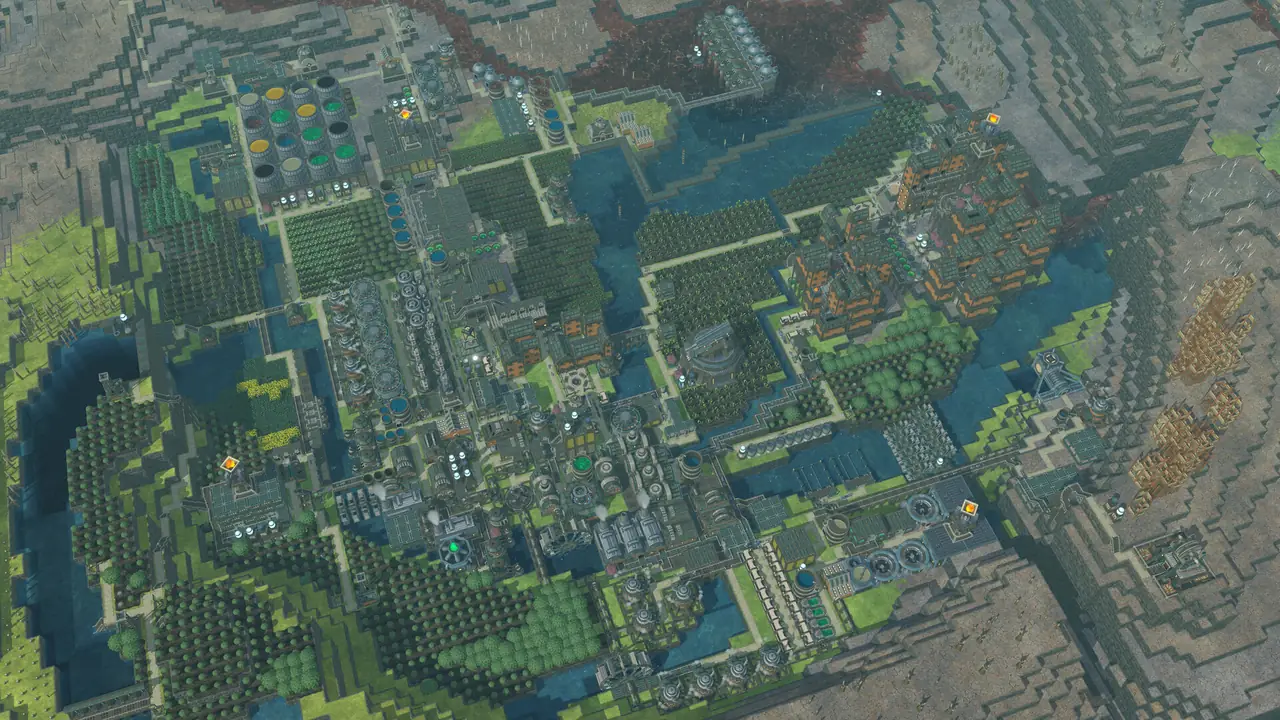
Timberborn
Buildings must connect by path to the district center to function, beavers walk only on paths, and unlinked buildings show a warning icon.
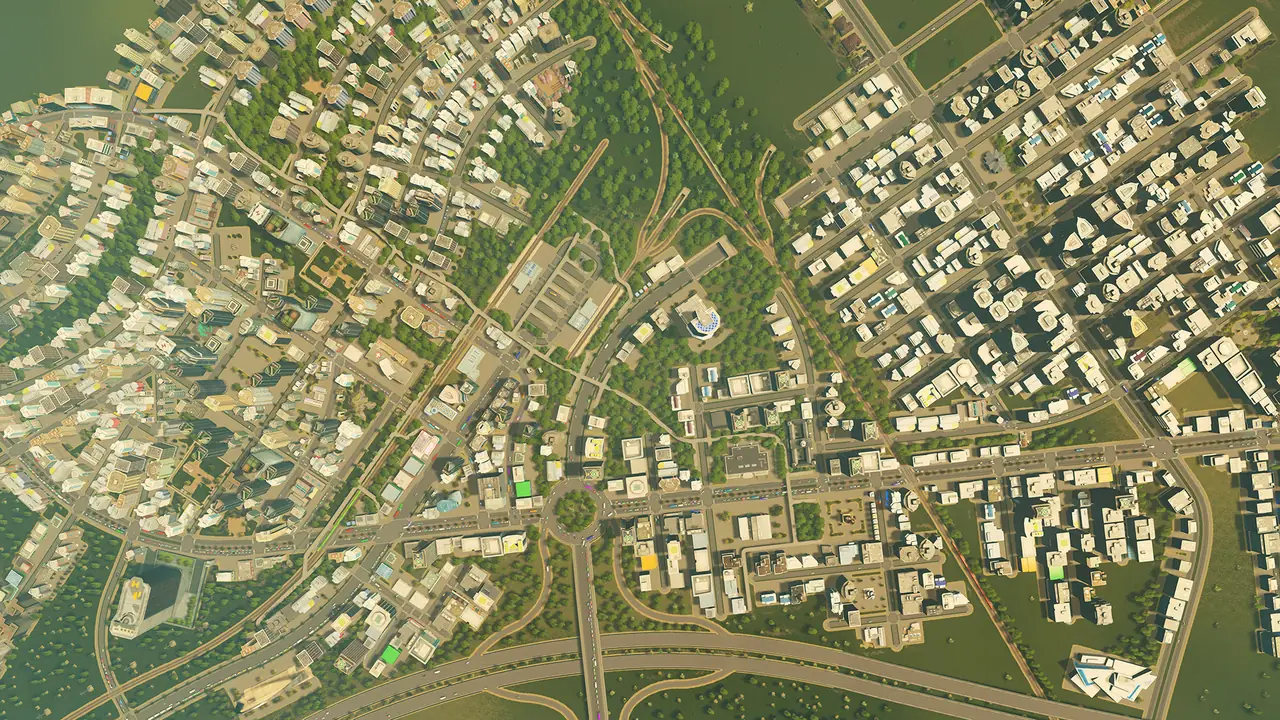
Cities: Skylines
Zoning only follows roads, traffic builds jams that delay services and freight, and road layout is a core part of play.
The difference worth noticing
In Timberborn the network mainly decides reach and walking distance; Cities: Skylines adds large-scale traffic congestion.
Case notes are Yoroll editorial summaries; rules may change between versions.
04What could you combine?
Towns price goods differently; a new road opens arbitrage, but a shorter road lets rival traders exploit it too.
Prototype this combo in Yoroll→Follow the next idea

Coverage Radius Planning
Each facility covers a circle; placing circles well beats building more of them.
- Prototype complexity
- Who plays
- Solo decisions
- 01Find coverage gaps
- 02Place a service
- 03Check overlap and holes
- 04Shift or add more
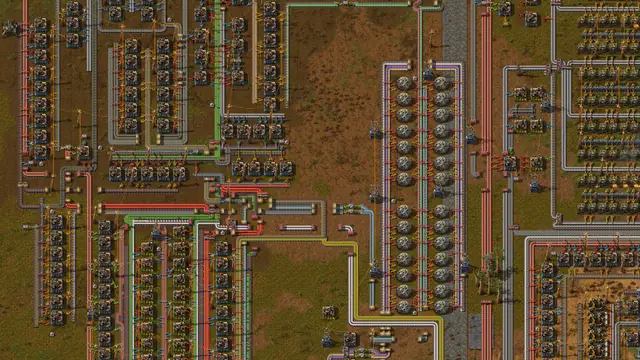
Drone Logistics Network
No belts needed: flying units deliver where needed, but you have to keep them supplied.
- Prototype complexity
- Who plays
- Solo decisions
- 01Build ports and storage
- 02Set requests and supplies
- 03Drones deliver automatically
- 04Expand or refuel the network
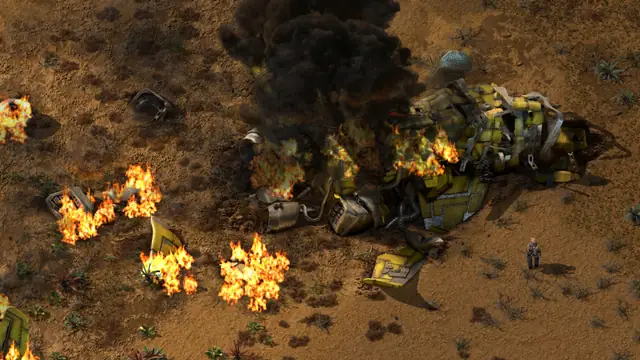
Conveyor Routing
Moving items from A to B is easy; keeping every line from tangling is the game.
- Prototype complexity
- Who plays
- Solo decisions
- 01Plan source and destination
- 02Lay belts around obstacles
- 03Watch flow and jams
- 04Reroute or add layers