
Breakable Parts Reshape Fights
Break a part and the enemy loses a move while you gain a material.
- Prototype complexity
- Who plays
- Solo decisions
- Design focus
- Planning · Precision · Progression
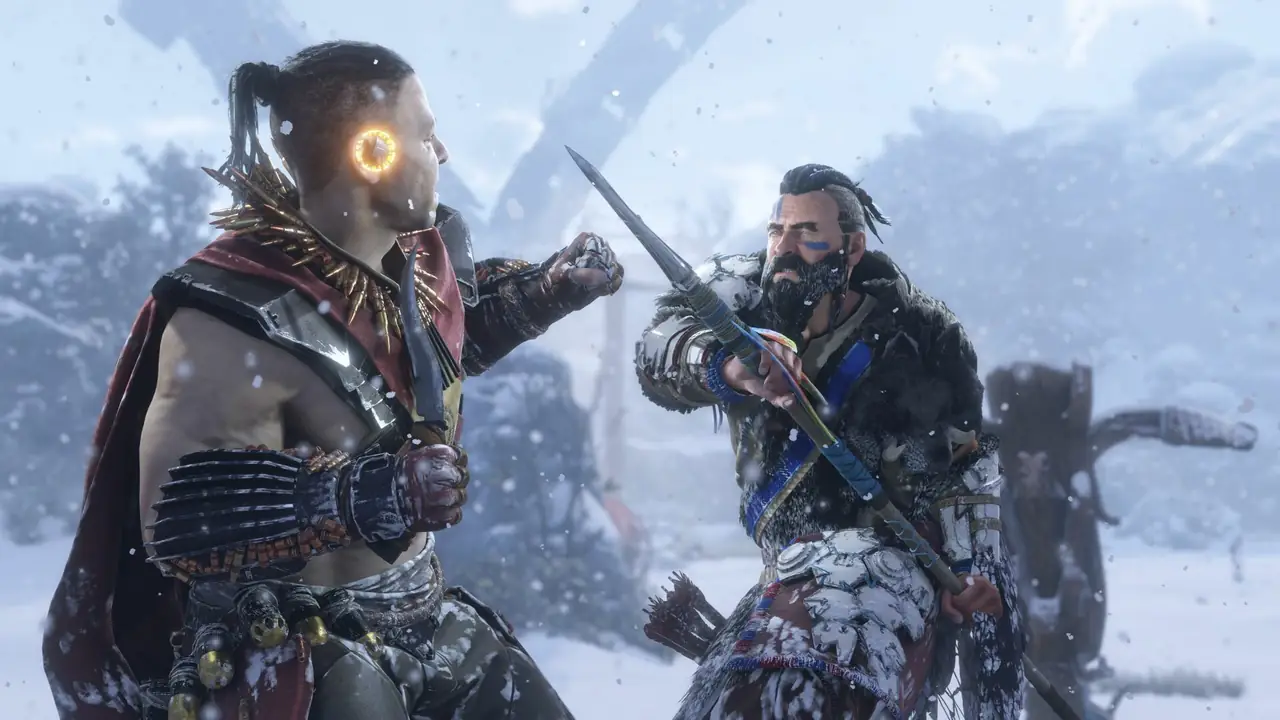 No.026Horizon Zero Dawn
01The core loop
Action → feedback → next choice- 01Choose a part to break
- 02Focus damage on it
- 03Part breaks, enemy weakens
- 04Collect the part afterward
↻Feedback changes the situation — the next round starts from there.
Walk through one round
A simplified design example. Situations and numbers illustrate the mechanic, not exact rules from a reference game.
- T1
Turn 1 · The situation
A beast carries a back cannon (80 durability) that deals 40 per volley and can be detached and used.
- T2
Turn 2 · The player chooses
The player fires tearing arrows at the cannon, ignoring body health for now.
- T3
Turn 3 · The feedback
The cannon drops, the beast switches to charges, and the player picks up the cannon to fire back.
- T4
Turn 4 · The next decision
After the fight the player gets a rare component for a bow upgrade.
How it plays
Parts have their own durability; at zero they fall off or break, removing or altering linked attacks. Broken parts are often the only source of specific materials, so players change tactics to farm them.
What the player weighs
- Break parts for loot vs. kill fast
- Remove a dangerous weapon vs. keep it as an exploitable bomb
02Start small
Scope is an editorial estimate for the minimum prototype, not the reference game or a production schedule.
03One mechanic, different implementations
Horizon Zero Dawn
Tear arrows knock off machine weapons and plating; a Thunderjaw's disc launcher, once detached, can be picked up and fired by the player.
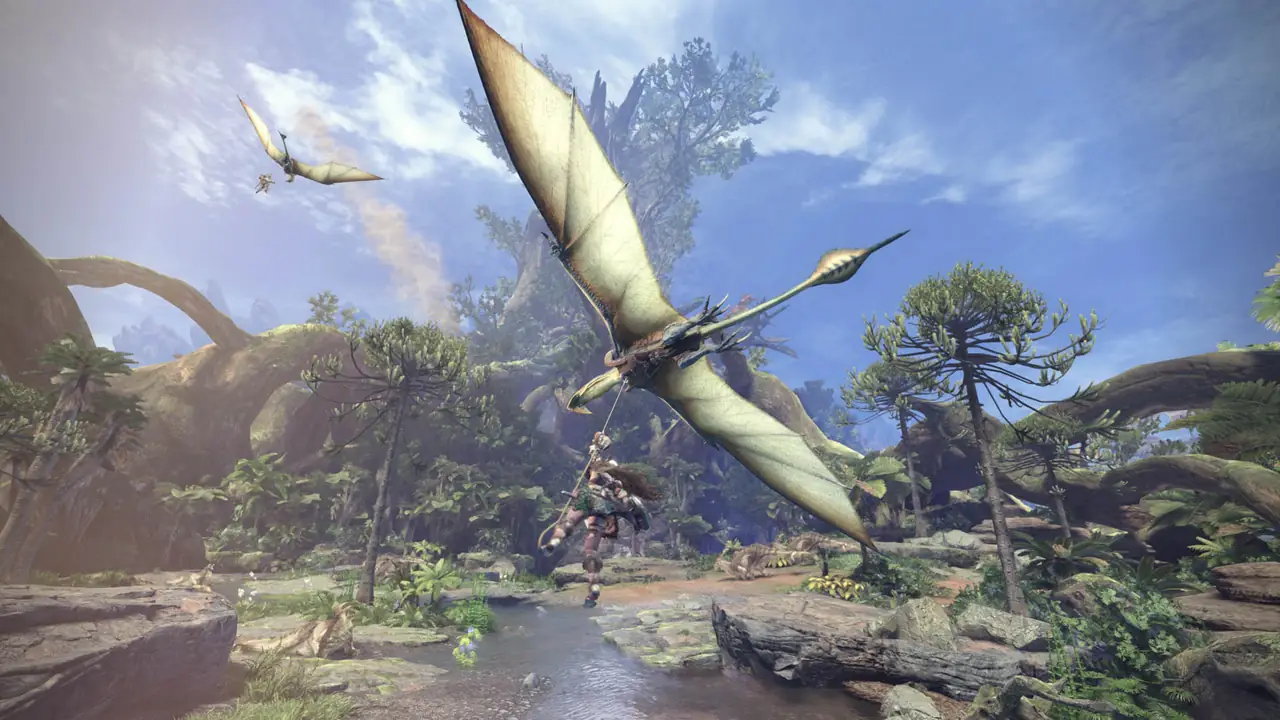
Monster Hunter: World
Breaking horns or severing tails yields extra rewards and can shorten attack reach, so hunters choose weapons and targets for specific materials.
The difference worth noticing
Horizon turns broken parts into in-fight weapons; Monster Hunter mostly pays off in the post-hunt reward list.
Case notes are Yoroll editorial summaries; rules may change between versions.
04What could you combine?
Combine with salvage: parts keep their damage state, and cleaner breaks dismantle into more components back at camp.
Prototype this combo in Yoroll→Follow the next idea
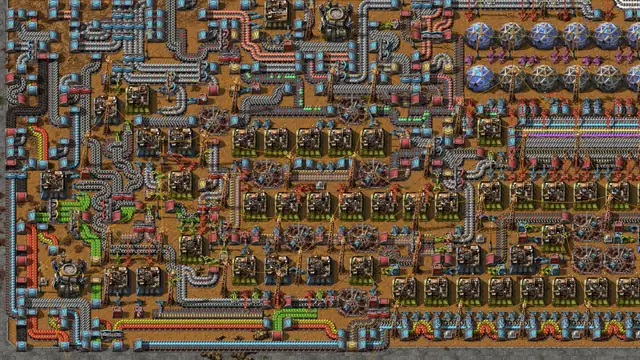
Multi-Stage Production Chain
Raw material climbs tier by tier into goods, and any tier can bottleneck the next.
- Prototype complexity
- Who plays
- Solo decisions
- 01Choose a target product
- 02Break down intermediates
- 03Build each tier by ratio
- 04Find bottlenecks, scale up
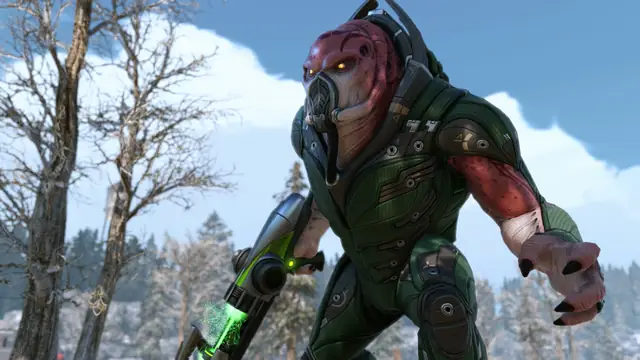
Action Point Budget
Each unit gets a few actions per turn; moving and shooting come from the same pocket.
- Prototype complexity
- Who plays
- Solo decisions
- 01Check remaining actions
- 02Choose move or attack
- 03Spend and resolve
- 04Plan the next unit
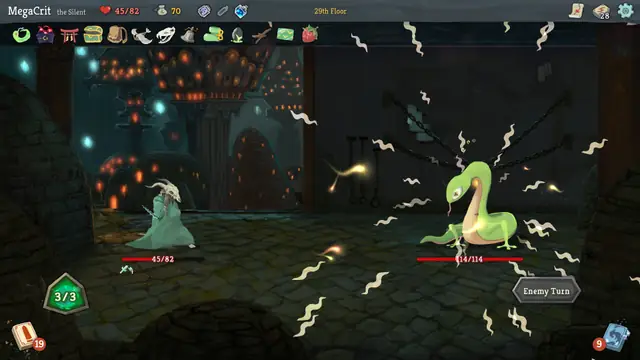
Draw–Discard Combat Cycle
Draw a hand, play it, discard it; the deck's cycle is the fight's heartbeat.
- Prototype complexity
- Who plays
- Solo decisions
- 01Draw a hand
- 02Spend energy to play
- 03Discard at turn end
- 04Reshuffle and repeat