
Draw–Discard Combat Cycle
Draw a hand, play it, discard it; the deck's cycle is the fight's heartbeat.
- Prototype complexity
- Who plays
- Solo decisions
- Design focus
- Planning · Randomness · Optimization
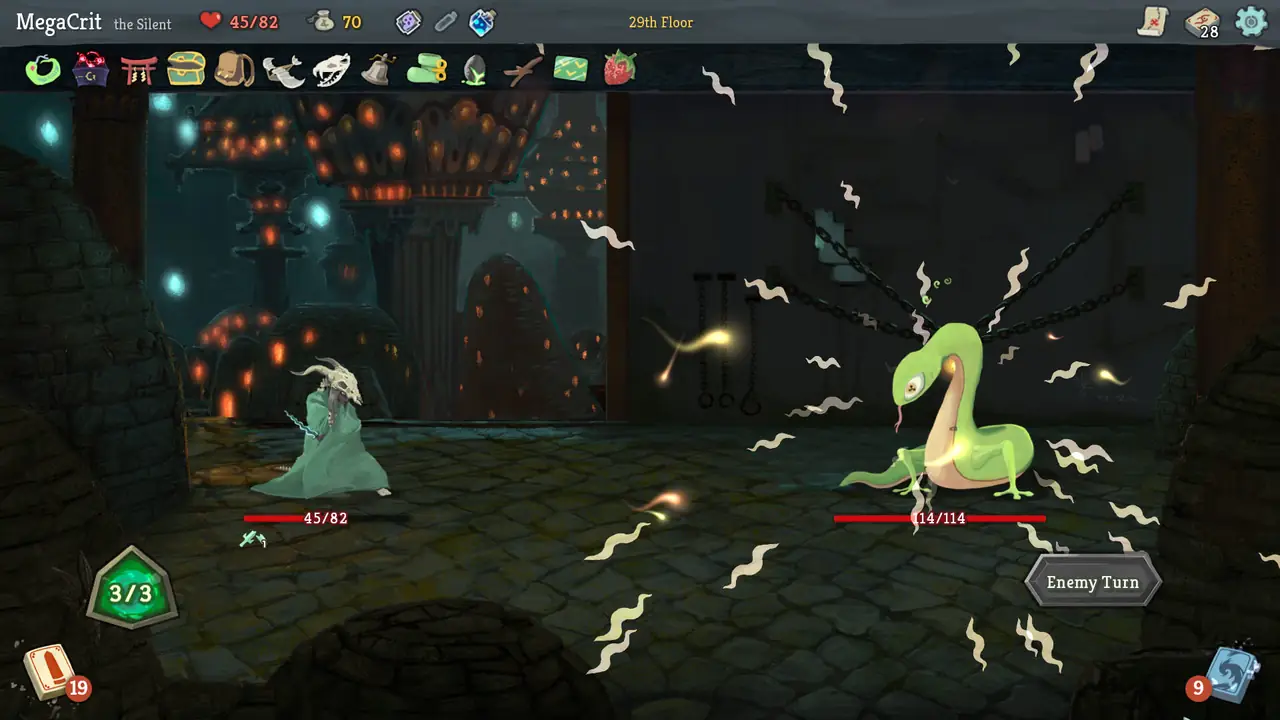 No.030Slay the Spire
01The core loop
Action → feedback → next choice- 01Draw a hand
- 02Spend energy to play
- 03Discard at turn end
- 04Reshuffle and repeat
↻Feedback changes the situation — the next round starts from there.
Walk through one round
A simplified design example. Situations and numbers illustrate the mechanic, not exact rules from a reference game.
- T1
Turn 1 · The situation
3 energy; hand of 2 attacks, 2 blocks and 1 draw card. The enemy will hit for 18 next turn.
- T2
Turn 2 · The player chooses
The player plays the draw card first, then two blocks for 18 armor.
- T3
Turn 3 · The feedback
The draw pulls a free attack, which goes out too; leftover attacks are discarded.
- T4
Turn 4 · The next decision
With 3 cards left, the player knows a reshuffle will bring the strong cards back next turn.
How it plays
Each turn you draw a set number of cards, play what energy allows and discard the rest; an empty draw pile reshuffles the discards. Leaner decks see key cards more often, and some cards exhaust, leaving the cycle for the fight.
What the player weighs
- Add a strong card vs. keep the deck lean
- Spend everything now vs. set up the next hand
02Start small
Scope is an editorial estimate for the minimum prototype, not the reference game or a production schedule.
03One mechanic, different implementations
Slay the Spire
By default you draw 5 with 3 energy and discard your hand each turn; exhausted cards leave for the fight, and deck thinning is a core skill.
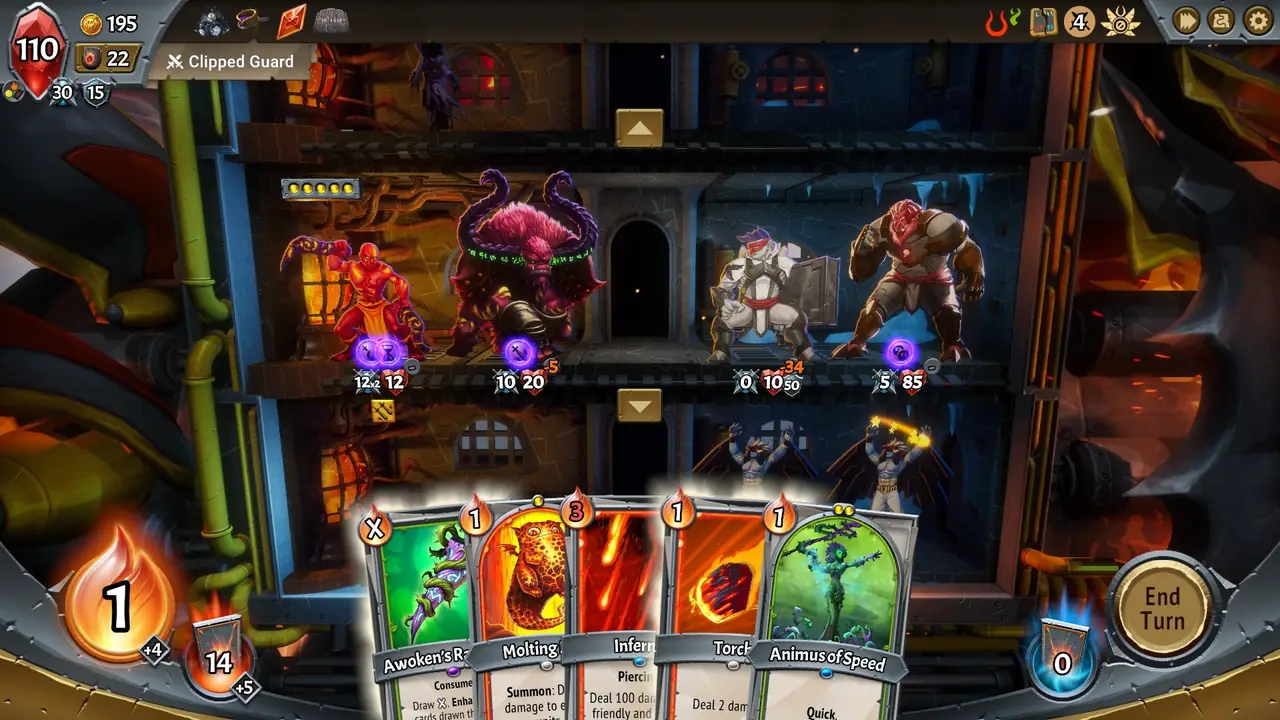
Monster Train
Also cycles draws and ember costs, but unit cards stay on the train's floors, so a card's value depends on floor placement.
The difference worth noticing
Slay the Spire's cards resolve and go; Monster Train's units persist on floors, tying the cycle to spatial layout.
Case notes are Yoroll editorial summaries; rules may change between versions.
04What could you combine?
Give cards durability: each play costs a point, worn-out cards become weak, and camp repairs or scrapping become a resource decision.
Prototype this combo in Yoroll→Follow the next idea
Deck Thinning
A leaner deck draws your best cards more often; removing can beat adding.
- Prototype complexity
- Who plays
- Solo decisions
- 01Spot weak cards
- 02Pay or use events to remove
- 03Deck density rises
- 04Key cards show up sooner
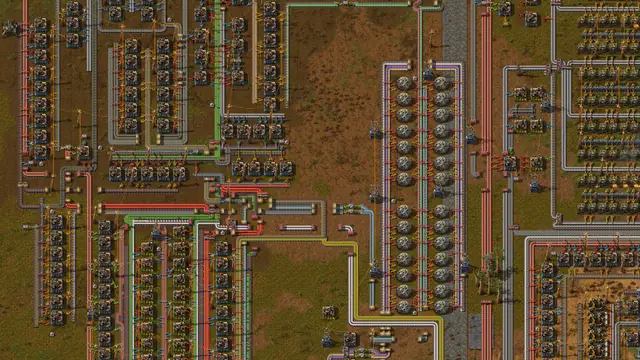
Drone Logistics Network
No belts needed: flying units deliver where needed, but you have to keep them supplied.
- Prototype complexity
- Who plays
- Solo decisions
- 01Build ports and storage
- 02Set requests and supplies
- 03Drones deliver automatically
- 04Expand or refuel the network
Conveyor Routing
Moving items from A to B is easy; keeping every line from tangling is the game.
- Prototype complexity
- Who plays
- Solo decisions
- 01Plan source and destination
- 02Lay belts around obstacles
- 03Watch flow and jams
- 04Reroute or add layers