
One Stamina Bar for Everything
Swinging, blocking and rolling share one bar, so every attack borrows from your escape.
- Prototype complexity
- Who plays
- Solo decisions
- Design focus
- Timing · Risk · Planning
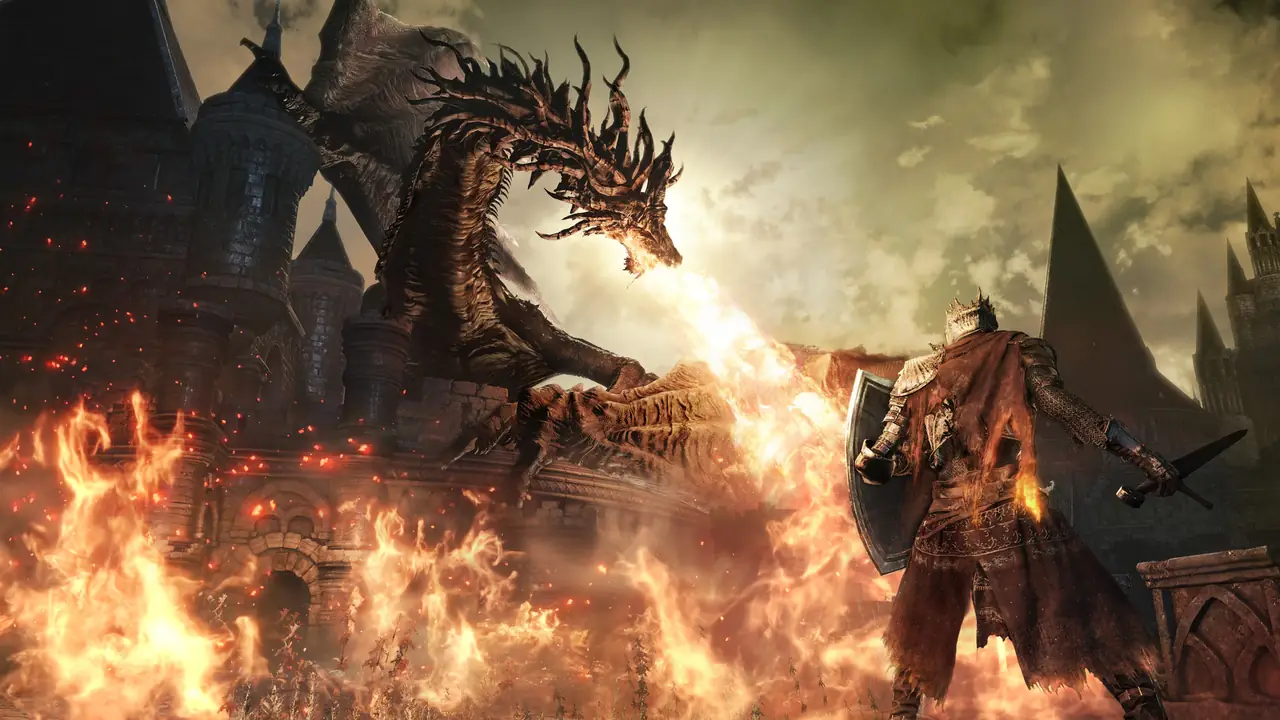 No.021Dark Souls III
01The core loop
Action → feedback → next choice- 01Read the enemy's rhythm
- 02Spend stamina to act
- 03Hold a reserve, let it refill
- 04Strike again in the gap
↻Feedback changes the situation — the next round starts from there.
Walk through one round
A simplified design example. Situations and numbers illustrate the mechanic, not exact rules from a reference game.
- T1
Turn 1 · The situation
Stamina 100; light attacks cost 20, a roll costs 25. A knight has just finished a heavy swing.
- T2
Turn 2 · The player chooses
The player lands three hits, keeping 40 stamina so one roll stays available.
- T3
Turn 3 · The feedback
The knight counters; the roll saves the player, dropping stamina to 15 as the bar flashes red.
- T4
Turn 4 · The next decision
The player backs off to recover and waits for the next opening.
How it plays
Attacks, dodges, sprints and blocked hits all cost stamina, which only refills when you stop acting. Run dry and your guard breaks or your roll fails, leaving you to eat the next hit. The bar's length and refill rate set the tempo of every exchange.
What the player weighs
- One more hit vs. stamina saved for a roll
- Safe but costly blocking vs. cheap but precise dodging
02Start small
Scope is an editorial estimate for the minimum prototype, not the reference game or a production schedule.
03One mechanic, different implementations
Dark Souls III
Attacks, rolls, sprinting and blocked damage all draw from the green bar; blocking too much guard-breaks you, which makes a shield's stability stat matter.

Elden Ring
Uses a similar stamina model but adds the guard counter, so a blocked hit can flow straight into a punish, giving stamina another use.
The difference worth noticing
Dark Souls III frames stamina as attack-or-evade, while Elden Ring's guard counter turns blocking into an offensive opening.
Case notes are Yoroll editorial summaries; rules may change between versions.
04What could you combine?
Make harvesting share combat stamina: tougher ore takes more swings, so mining near monsters means counting how many rolls you have left.
Prototype this combo in Yoroll→Follow the next idea

Cover and Flanking
Cover keeps you safe until someone walks around it.
- Prototype complexity
- Who plays
- Solo decisions
- 01Check where cover faces
- 02Move to a flanking angle
- 03Gain an accuracy bonus
- 04Guard against counter-flanks

Blow Up the Cover
If the enemy is well hidden, blow up the wall; the battlefield keeps changing.
- Prototype complexity
- Who plays
- Solo decisions
- 01Find the cover they rely on
- 02Destroy it with explosives
- 03Enemy is exposed
- 04Follow up the attack
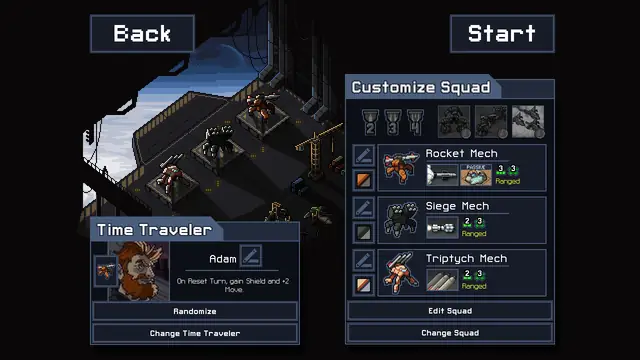
Shove, Pull, Knock Back
Push enemies off ledges or into fire; position itself becomes the weapon.
- Prototype complexity
- Who plays
- Solo decisions
- 01Find hazardous terrain
- 02Plan the push direction
- 03Shove or pull
- 04Hazard does the work