
Hold the Front Line
Put tough units up front to soak hits so fragile damage dealers survive behind them.
- Prototype complexity
- Who plays
- Solo decisions
- Design focus
- Spatial · Planning
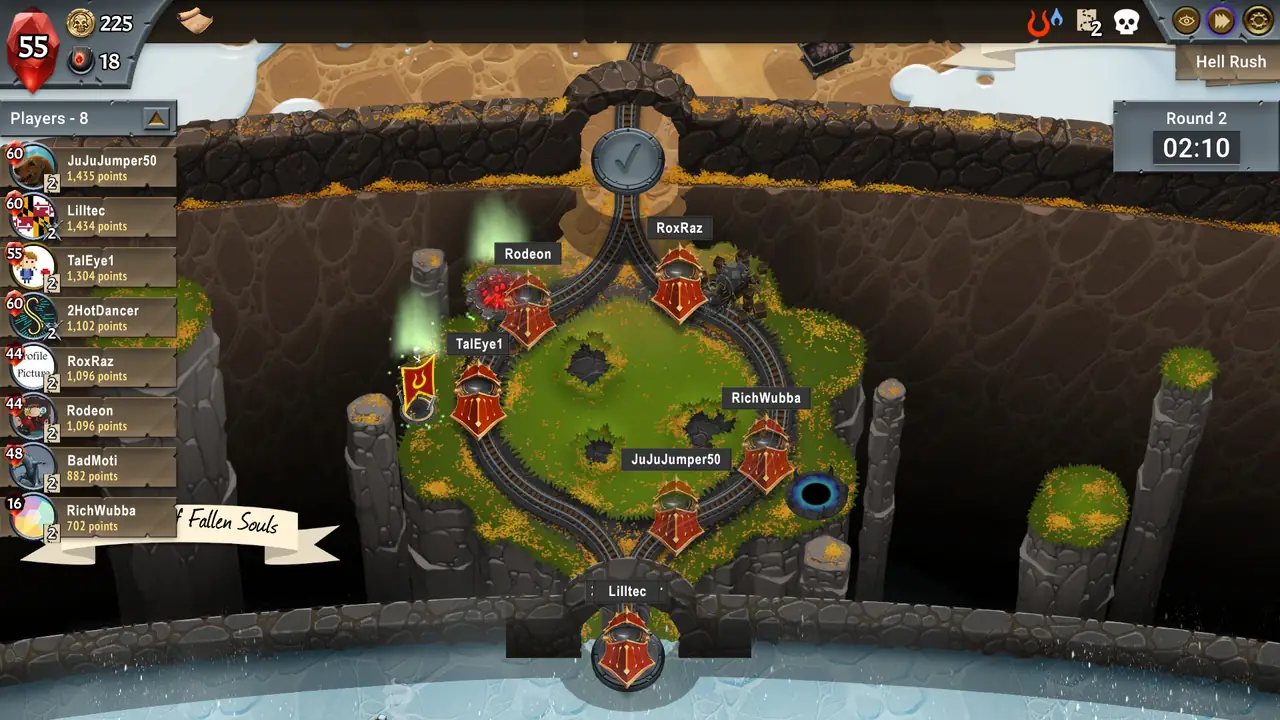 No.214Monster Train
01The core loop
Action → feedback → next choice- 01Arrange positions
- 02Enemies hit the front
- 03Backline deals damage
- 04Refill when the front falls
↻Feedback changes the situation — the next round starts from there.
Walk through one round
A simplified design example. Situations and numbers illustrate the mechanic, not exact rules from a reference game.
- T1
Turn 1 · The situation
A floor has 4 spots and enemies deal 12 to the front each turn; you have a 20-HP shield unit and an 8-HP mage.
- T2
Turn 2 · The player chooses
Shield unit front, mage behind.
- T3
Turn 3 · The feedback
The shield unit survives one round at 8 HP while the mage lands two volleys.
- T4
Turn 4 · The next decision
When the shield unit falls in round two, the player must heal or send a replacement.
How it plays
Enemies hit the frontmost unit by default, so the front soaks most damage. Players put high-HP or armored units there and refill quickly when they fall. Health bars and positions are the clearest feedback.
What the player weighs
- More front units vs more firepower
- Pure tank front vs a front that hits back
02Start small
Scope is an editorial estimate for the minimum prototype, not the reference game or a production schedule.
03One mechanic, different implementations
Monster Train
Units line up on each floor and enemies attack the front one, so you station a damage sponge to protect the dealers behind.
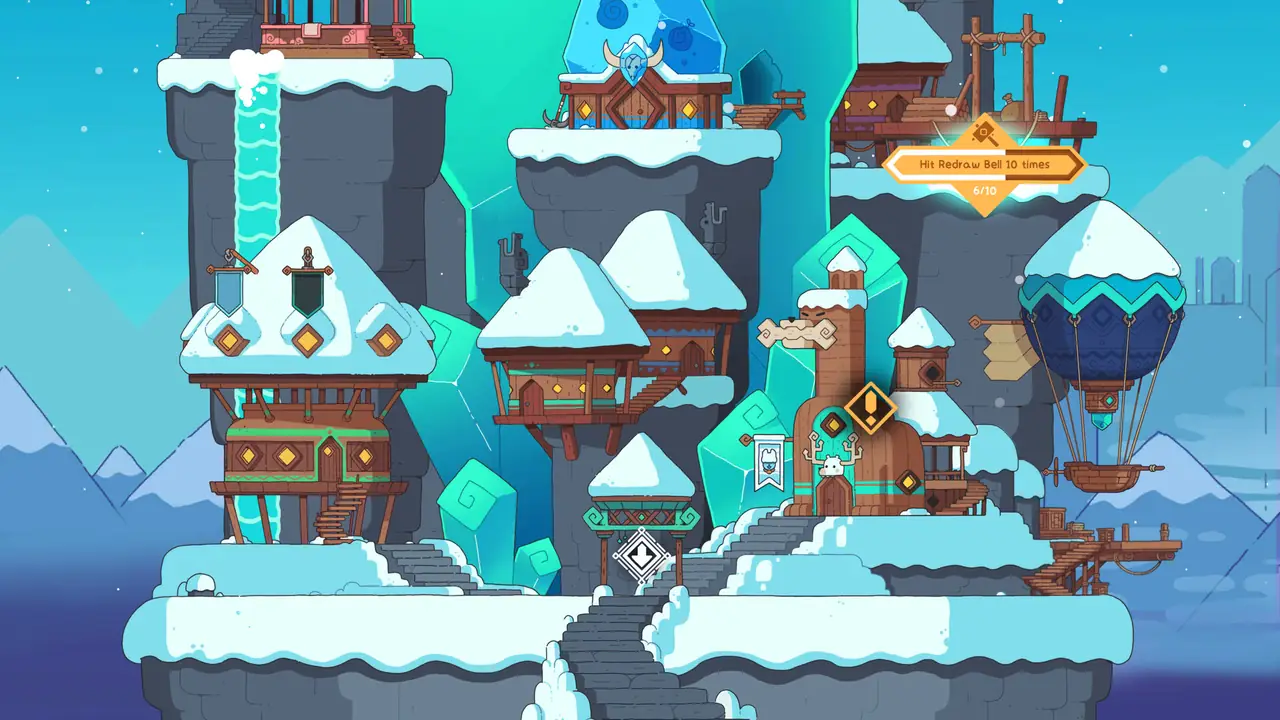
Wildfrost
Allies and enemies face off in rows, and enemies usually hit the front unit in their lane, so you shuffle allies to shield key ones.
The difference worth noticing
Monster Train repeats the front-line rule across floors; Wildfrost ties it to lanes and timers, with more frequent swaps.
Case notes are Yoroll editorial summaries; rules may change between versions.
04What could you combine?
Front units suffer limb injuries; a shield-bearer with a broken arm can only taunt, so players decide whether to keep or swap them.
Prototype this combo in Yoroll→Follow the next idea

Set Up, Then Watch
Arrange your units before battle, then watch them fight on their own.
- Prototype complexity
- Who plays
- Solo decisions
- 01Acquire units
- 02Place them on the board
- 03Battle auto-plays
- 04Adjust from the result
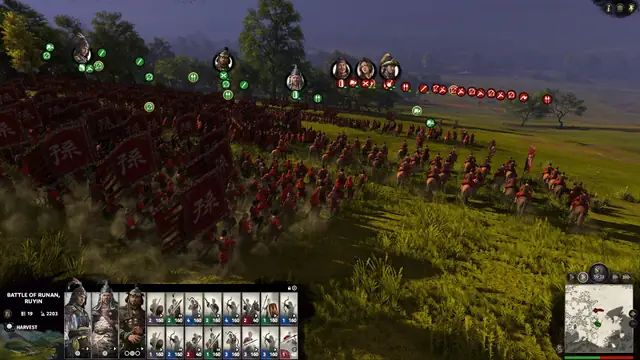
Split the Forces
Several objectives need you at once, but you only have one army to divide.
- Prototype complexity
- Who plays
- Solo decisions
- 01Multiple objectives appear
- 02Weigh each threat
- 03Divide your forces
- 04Live with the weak spot
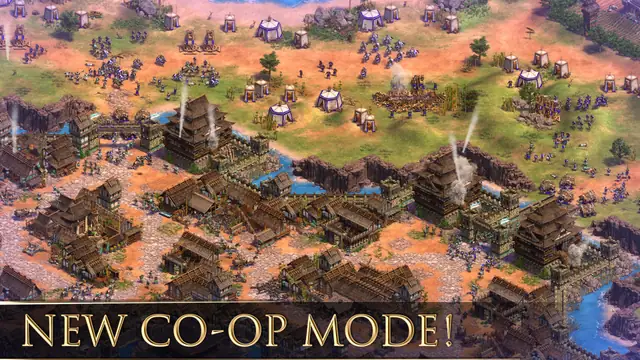
Focus Fire
Concentrated damage beats spread damage: one dead enemy is one less threat.
- Prototype complexity
- Who plays
- Solo decisions
- 01Identify the top threat
- 02Everyone targets it
- 03It goes down
- 04Shift to the next