
Set Up, Then Watch
Arrange your units before battle, then watch them fight on their own.
- Prototype complexity
- Who plays
- Solo decisions
- Design focus
- Planning · Spatial
 No.215Dota Underlords
01The core loop
Action → feedback → next choice- 01Acquire units
- 02Place them on the board
- 03Battle auto-plays
- 04Adjust from the result
↻Feedback changes the situation — the next round starts from there.
Walk through one round
A simplified design example. Situations and numbers illustrate the mechanic, not exact rules from a reference game.
- T1
Turn 1 · The situation
The next opponent has a backline-jumping assassin, and your main carry sits in the back-left corner.
- T2
Turn 2 · The player chooses
Move the carry to back-center flanked by two tanks.
- T3
Turn 3 · The feedback
The assassin lands between two tanks, the carry survives and you win.
- T4
Turn 4 · The next decision
Next round the foe swaps to an AoE mage, so you spread out again.
How it plays
A prep phase lets players place units on a grid; once combat starts, units move and cast by AI with no direct control. Formation shows in who engages first, who stays protected and how many targets area skills hit. Replays and damage meters are the main feedback.
What the player weighs
- Cluster for synergy vs spread against AoE
- Counter the last opponent vs the whole lobby
02Start small
Scope is an editorial estimate for the minimum prototype, not the reference game or a production schedule.
03One mechanic, different implementations
Teamfight Tactics
You place champions on a hex board and combat runs automatically; positioning against assassins, AoE and enemy carries is a core skill.
Dota Underlords
You arrange heroes on a square grid before automatic fights, with hero abilities and alliances shaping formation choices.
The difference worth noticing
Both rely on prep-phase placement; hex versus square grids change adjacency and pathing.
Case notes are Yoroll editorial summaries; rules may change between versions.
04What could you combine?
Pre-place burnable or freezable surfaces, and position units to lure enemies onto them for skills to ignite once combat starts.
Prototype this combo in Yoroll→Follow the next idea
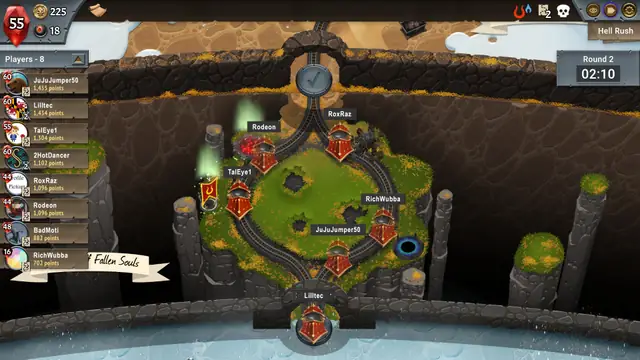
Hold the Front Line
Put tough units up front to soak hits so fragile damage dealers survive behind them.
- Prototype complexity
- Who plays
- Solo decisions
- 01Arrange positions
- 02Enemies hit the front
- 03Backline deals damage
- 04Refill when the front falls
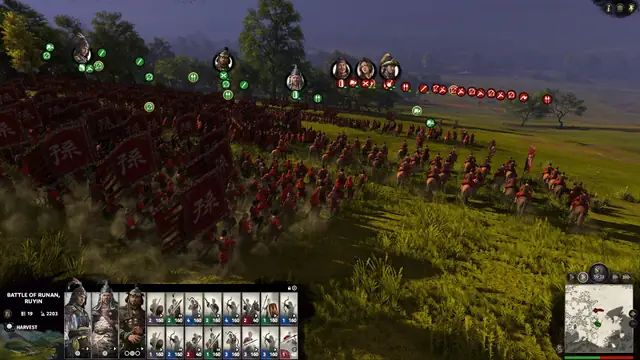
Split the Forces
Several objectives need you at once, but you only have one army to divide.
- Prototype complexity
- Who plays
- Solo decisions
- 01Multiple objectives appear
- 02Weigh each threat
- 03Divide your forces
- 04Live with the weak spot
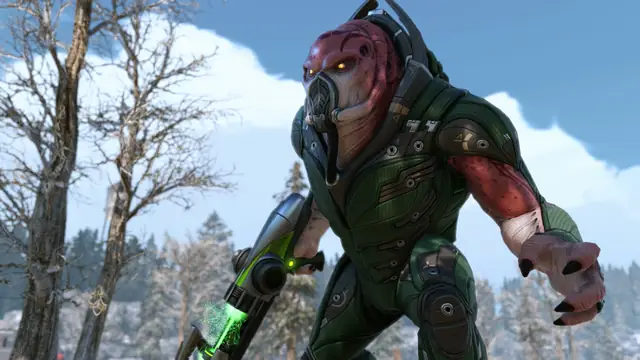
Action Point Budget
Each unit gets a few actions per turn; moving and shooting come from the same pocket.
- Prototype complexity
- Who plays
- Solo decisions
- 01Check remaining actions
- 02Choose move or attack
- 03Spend and resolve
- 04Plan the next unit