
Pull the Aggro
Keep enemies glued to the toughest ally so everyone else can deal damage safely.
- Prototype complexity
- Who plays
- Solo decisions
- Design focus
- Cooperation · Planning
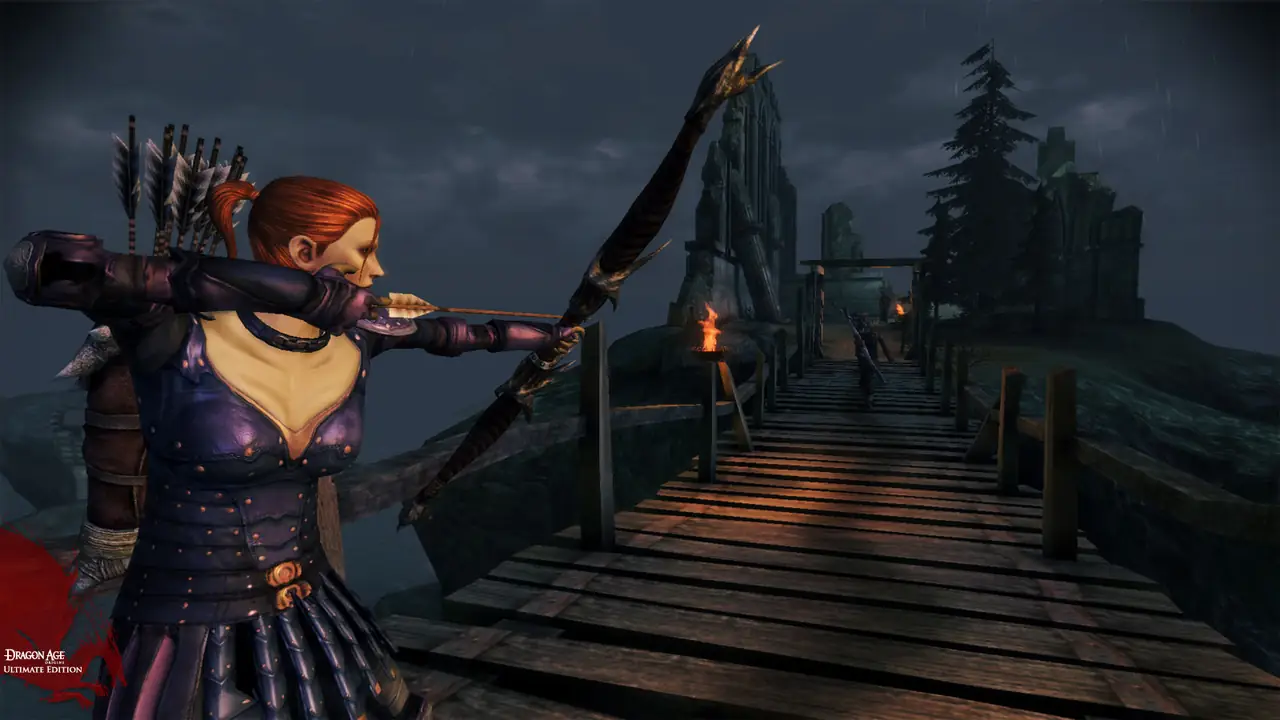 No.213Dragon Age: Origins
01The core loop
Action → feedback → next choice- 01Tank draws threat
- 02Enemies lock onto it
- 03Damage dealers open up
- 04Re-taunt when it slips
↻Feedback changes the situation — the next round starts from there.
Walk through one round
A simplified design example. Situations and numbers illustrate the mechanic, not exact rules from a reference game.
- T1
Turn 1 · The situation
The tank’s taunt has 5 seconds left on cooldown; the mage is about to cast a big nuke while the enemy hits the tank.
- T2
Turn 2 · The player chooses
The mage casts a small spell first and waits for taunt.
- T3
Turn 3 · The feedback
The nuke spikes threat, and the tank immediately taunts it back.
- T4
Turn 4 · The next decision
The player starts syncing nukes with taunt cooldowns.
How it plays
Enemies pick targets by hidden threat; damage and healing generate it, and taunts force attention onto you. Players pace damage so fragile allies don’t get targeted. Enemy facing, markers or threat cues provide feedback.
What the player weighs
- Full damage vs pulling aggro
- Tank builds defense vs threat generation
02Start small
Scope is an editorial estimate for the minimum prototype, not the reference game or a production schedule.
03One mechanic, different implementations
Dragon Age: Origins
Warriors have taunt-style talents that raise threat, and pausing lets you set the tank up front while mages fire from behind.
Grim Dawn
Pets and summons divert enemy attention, and some skills or items draw aggro, letting summoner builds keep the hero out of the fray (details may vary).
The difference worth noticing
Dragon Age distributes threat across a party; Grim Dawn mostly has a solo hero offload it onto summons.
Case notes are Yoroll editorial summaries; rules may change between versions.
04What could you combine?
When the tank goes down, threat snaps to the nearest reviver, so whoever helps must be ready to defend.
Prototype this combo in Yoroll→Follow the next idea
Focus Fire
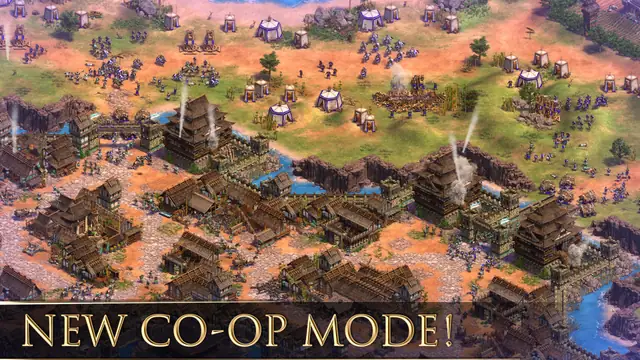
Concentrated damage beats spread damage: one dead enemy is one less threat.
- Prototype complexity
- Who plays
- Solo decisions
- 01Identify the top threat
- 02Everyone targets it
- 03It goes down
- 04Shift to the next
Hold the Front Line
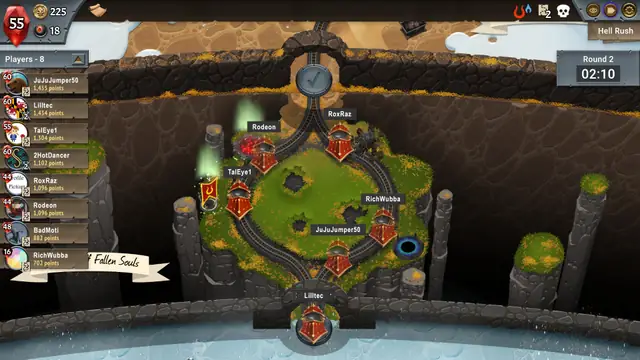
Put tough units up front to soak hits so fragile damage dealers survive behind them.
- Prototype complexity
- Who plays
- Solo decisions
- 01Arrange positions
- 02Enemies hit the front
- 03Backline deals damage
- 04Refill when the front falls
Speed Sets the Order
Who acts first often decides the fight, making speed an underrated stat.
- Prototype complexity
- Who plays
- Solo decisions
- 01Tune speed stats
- 02Turn order forms
- 03Plan around the order
- 04Strike first or get struck