
Shelf Placement
What goes on which shelf decides what customers end up buying.
- Prototype complexity
- Who plays
- Solo decisions
- Design focus
- Spatial · Economy · Planning
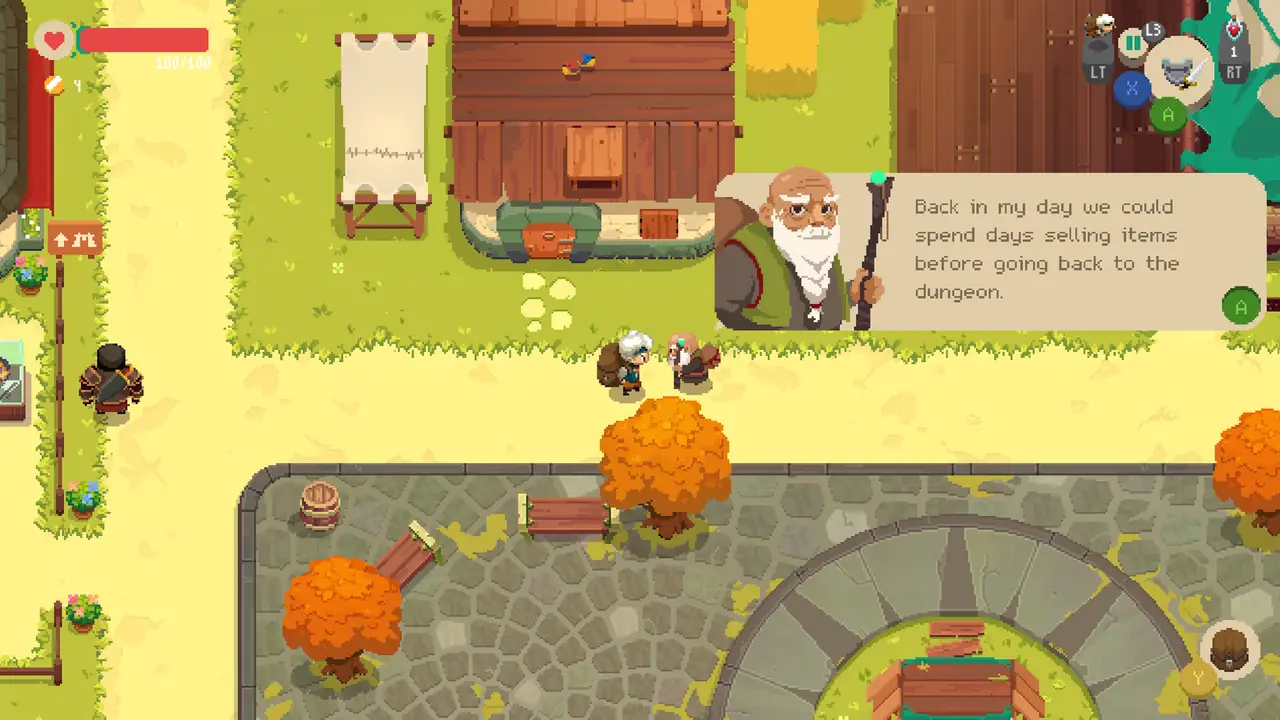 No.275Moonlighter
01The core loop
Action → feedback → next choice- 01Choose what to stock
- 02Arrange the displays
- 03Customers browse and buy
- 04Rearrange by sales
↻Feedback changes the situation — the next round starts from there.
Walk through one round
A simplified design example. Situations and numbers illustrate the mechanic, not exact rules from a reference game.
- T1
Turn 1 · The situation
Four slots, one by the door; stock is a 600-gold sword and three 50-gold potions.
- T2
Turn 2 · The player chooses
Sword by the door, potions in back.
- T3
Turn 3 · The feedback
The sword sells to the second customer, but only one potion moves.
- T4
Turn 4 · The next decision
Tomorrow the player tries potions by the door for volume.
How it plays
Shelf slots are limited and vary in visibility; spots near the door or window draw more eyes. Players decide where high-margin, traffic-driving and surplus items go. Sales logs, customer paths and empty shelves are the main feedback.
What the player weighs
- Prime spot for high-margin vs crowd-pleasers
- Variety vs a focused lineup
02Start small
Scope is an editorial estimate for the minimum prototype, not the reference game or a production schedule.
03One mechanic, different implementations
Moonlighter
You place loot on shelves with prices, upgrade the shop for more slots and use decorations to influence customers.

Recettear: An Item Shop’s Tale
Items sit on display stands, and store layout and decor affect who comes in and what they buy (details may vary).
The difference worth noticing
Moonlighter ties displays to its dungeon loot loop; Recettear focuses on shopkeeping itself.
Case notes are Yoroll editorial summaries; rules may change between versions.
04What could you combine?
Give clerks a service radius over nearby shelves, so players place both goods and staff to cover the whole store.
Prototype this combo in Yoroll→Follow the next idea
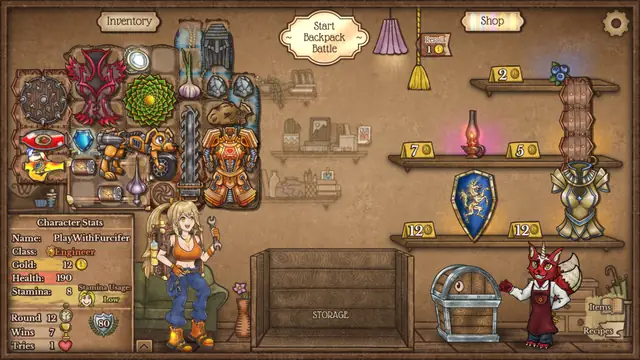
Hold It on the Shelf
Lock an item you want and buy it next round, safe from the refresh.
- Prototype complexity
- Who plays
- Solo decisions
- 01Spot a wanted item
- 02Short on cash, lock it
- 03Play the next round
- 04Return and buy
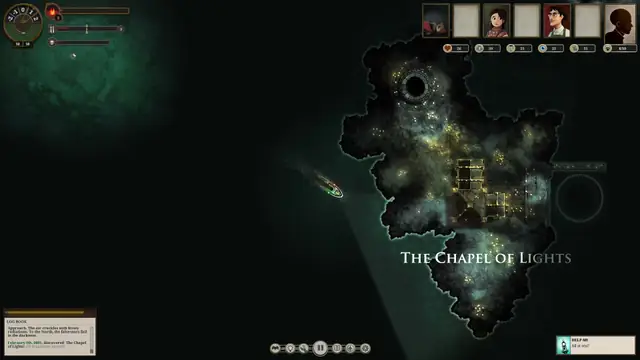
Buy Here, Sell There
Buy low in one port, sell high in another, and the profit lives in the journey.
- Prototype complexity
- Who plays
- Solo decisions
- 01Compare regional prices
- 02Buy where it’s cheap
- 03Survive the trip
- 04Sell where it’s dear
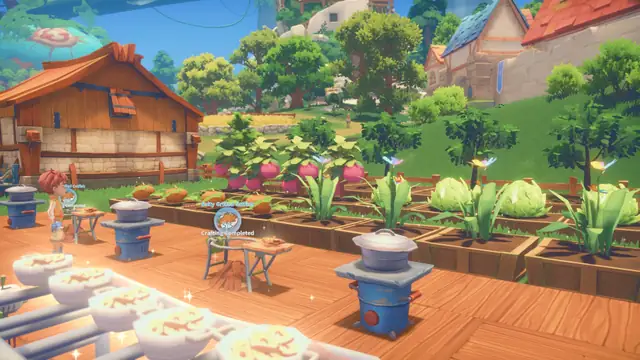
Deliver Before the Deadline
Taking a contract starts the clock: deliver on time for the reward, or lose it.
- Prototype complexity
- Who plays
- Solo decisions
- 01Browse the board
- 02Accept a contract
- 03Gather or craft
- 04Deliver and get paid