
Deliver Before the Deadline
Taking a contract starts the clock: deliver on time for the reward, or lose it.
- Prototype complexity
- Who plays
- Solo decisions
- Design focus
- Planning · Time · Economy
 No.277My Time at Portia
01The core loop
Action → feedback → next choice- 01Browse the board
- 02Accept a contract
- 03Gather or craft
- 04Deliver and get paid
↻Feedback changes the situation — the next round starts from there.
Walk through one round
A simplified design example. Situations and numbers illustrate the mechanic, not exact rules from a reference game.
- T1
Turn 1 · The situation
Contract A: 5 copper bars in 3 days for 300. Contract B: 1 iron axe in 1 day for 150. Your furnace makes 4 bars a day.
- T2
Turn 2 · The player chooses
Take both and make the axe on day one.
- T3
Turn 3 · The feedback
The axe lands on time and the bars finish on day 3, totaling 450.
- T4
Turn 4 · The next decision
The player plans a second furnace for bigger orders.
How it plays
Contracts list item, quantity, deadline and reward. Only a few can be active at once, so players choose by capacity and schedule. Countdowns, progress bars and due-date alerts form the feedback.
What the player weighs
- High pay, tight deadline vs low pay, loose
- Take more work vs keep capacity for your own goals
02Start small
Scope is an editorial estimate for the minimum prototype, not the reference game or a production schedule.
03One mechanic, different implementations
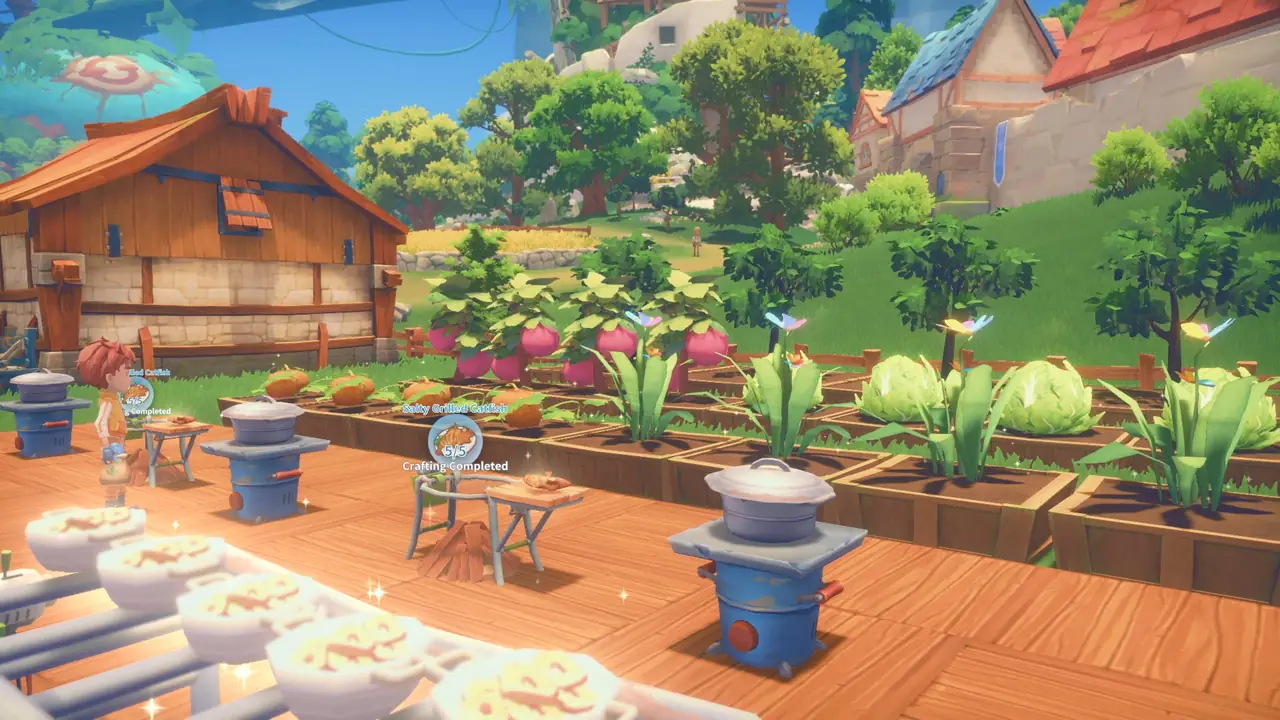
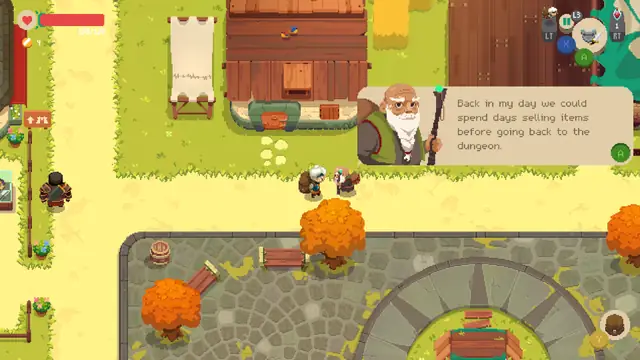
My Time at Portia
As a workshop owner you take commissions from the guild board with deadlines and rewards, competing with rival workshops in rankings.
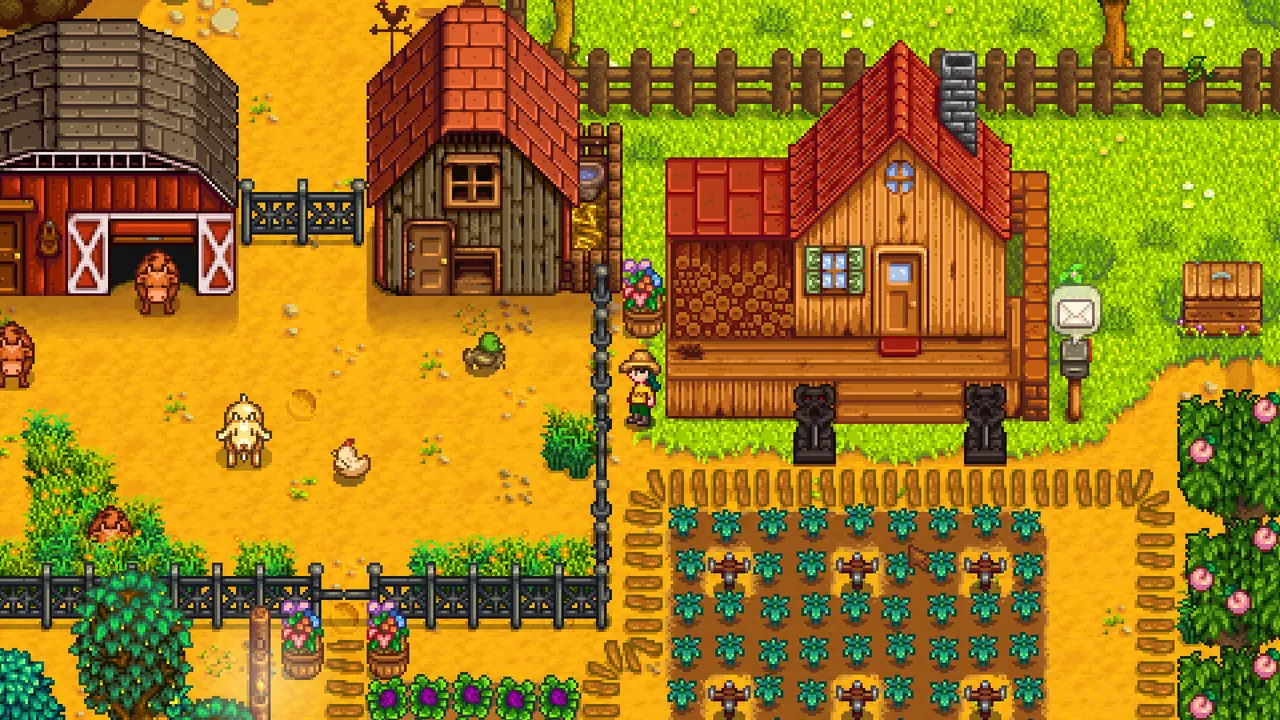
Stardew Valley
The Help Wanted board outside Pierre’s posts short-deadline requests, and later Special Orders offer longer timed tasks.
The difference worth noticing
Portia makes commissions a main income source; in Stardew they are supplementary income and social ties.
Case notes are Yoroll editorial summaries; rules may change between versions.
04What could you combine?
High-paying contracts require items from a three-stage chain, so players must schedule each stage backward from the deadline.
Prototype this combo in Yoroll→Follow the next idea
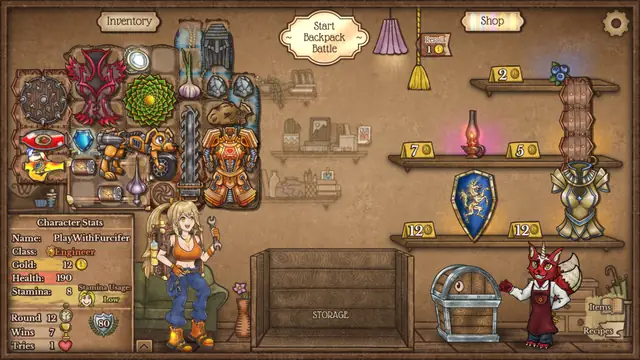
Hold It on the Shelf
Lock an item you want and buy it next round, safe from the refresh.
- Prototype complexity
- Who plays
- Solo decisions
- 01Spot a wanted item
- 02Short on cash, lock it
- 03Play the next round
- 04Return and buy
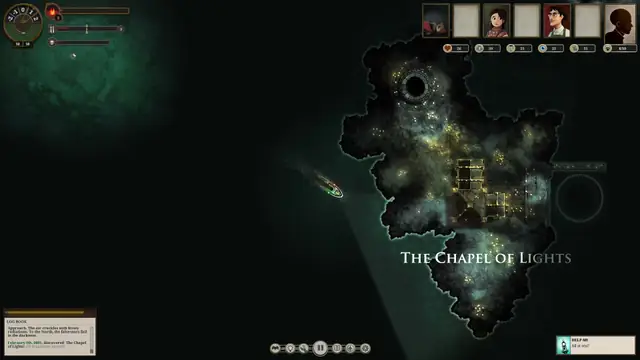
Buy Here, Sell There
Buy low in one port, sell high in another, and the profit lives in the journey.
- Prototype complexity
- Who plays
- Solo decisions
- 01Compare regional prices
- 02Buy where it’s cheap
- 03Survive the trip
- 04Sell where it’s dear
Shelf Placement
What goes on which shelf decides what customers end up buying.
- Prototype complexity
- Who plays
- Solo decisions
- 01Choose what to stock
- 02Arrange the displays
- 03Customers browse and buy
- 04Rearrange by sales