
Program the Route
Turn hauling into a schedule and let the fleet run it day and night.
- Prototype complexity
- Who plays
- Solo decisions
- Design focus
- Planning · Optimization · Economy
 No.280Anno 1800
01The core loop
Action → feedback → next choice- 01Pick the stops
- 02Set load and unload rules
- 03Fleet runs on its own
- 04Tune by shortages
↻Feedback changes the situation — the next round starts from there.
Walk through one round
A simplified design example. Situations and numbers illustrate the mechanic, not exact rules from a reference game.
- T1
Turn 1 · The situation
Island A has surplus timber; island B’s mill lacks 8 per minute. One ship carries 30 and takes 4 minutes per round trip.
- T2
Turn 2 · The player chooses
Set a loop: fill timber at A, unload all at B.
- T3
Turn 3 · The feedback
It delivers 7.5 per minute, leaving B slightly short.
- T4
Turn 4 · The next decision
The player adds a small second ship to close the gap.
How it plays
You give ships an ordered list of stops with rules for what to load or unload, how much, or at what price. Once set, the loop runs automatically and you watch the bigger picture. Warehouse levels, shortage alerts and route profits are the feedback.
What the player weighs
- Detailed rules vs upkeep effort
- Multi-purpose ships vs dedicated lines
02Start small
Scope is an editorial estimate for the minimum prototype, not the reference game or a production schedule.
03One mechanic, different implementations
Anno 1800
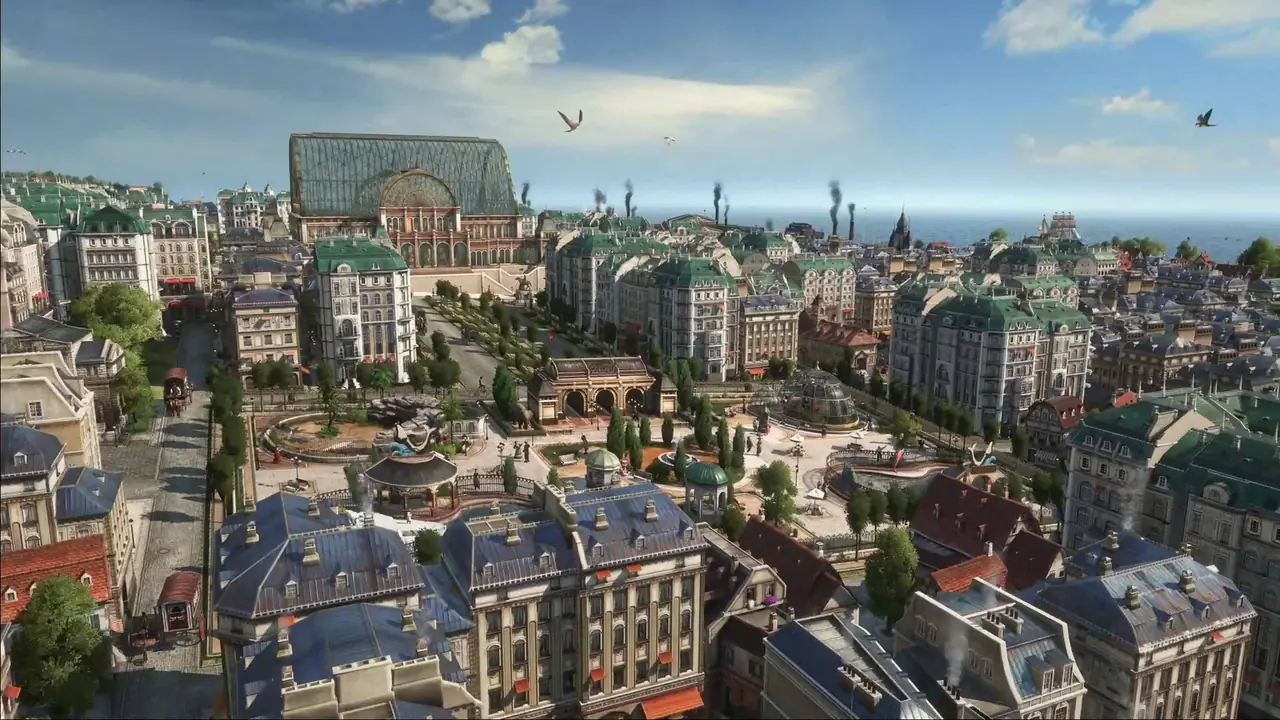
The trade route menu assigns ships to islands with per-stop load and unload amounts, keeping supply chains flowing between islands.
Patrician IV
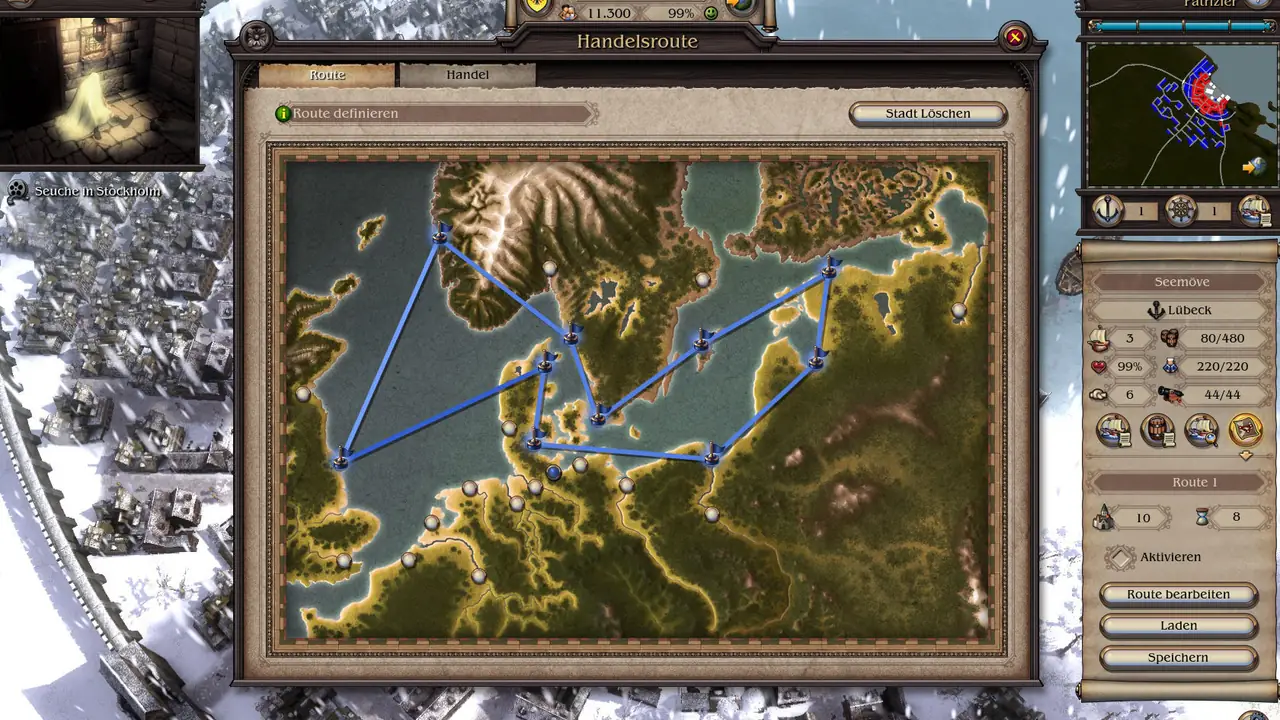
Automated routes set what to buy and sell in each town with price limits, letting convoys trade by profit rules.
The difference worth noticing
Anno 1800’s routes mainly supply your own production; Patrician IV’s aim straight at market profit.
Case notes are Yoroll editorial summaries; rules may change between versions.
04What could you combine?
Each stop meets a local contact; steady visits build goodwill and discounts, while breaking rhythm cools the relationship.
Prototype this combo in Yoroll→Follow the next idea
Hold It on the Shelf
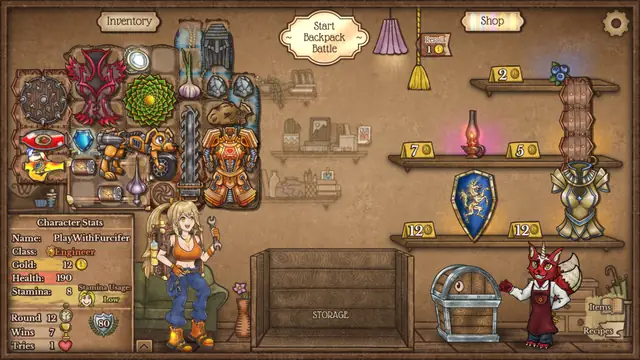
Lock an item you want and buy it next round, safe from the refresh.
- Prototype complexity
- Who plays
- Solo decisions
- 01Spot a wanted item
- 02Short on cash, lock it
- 03Play the next round
- 04Return and buy
Supply-Driven Prices
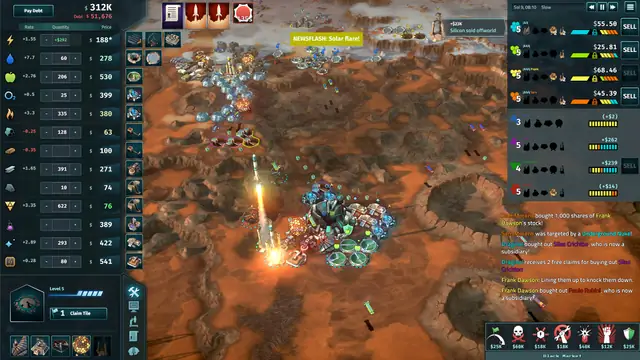
Flood the market and prices fall; every sale moves the market.
- Prototype complexity
- Who plays
- Solo decisions
- 01Produce or stockpile
- 02Watch the price curve
- 03Sell at the right moment
- 04Your sale moves the price
Buy Here, Sell There
Buy low in one port, sell high in another, and the profit lives in the journey.
- Prototype complexity
- Who plays
- Solo decisions
- 01Compare regional prices
- 02Buy where it’s cheap
- 03Survive the trip
- 04Sell where it’s dear