
Preserving by Processing
Fresh food rots; a little processing makes it last through the lean days.
- Prototype complexity
- Who plays
- Solo decisions
- Design focus
- Time · Economy · Planning
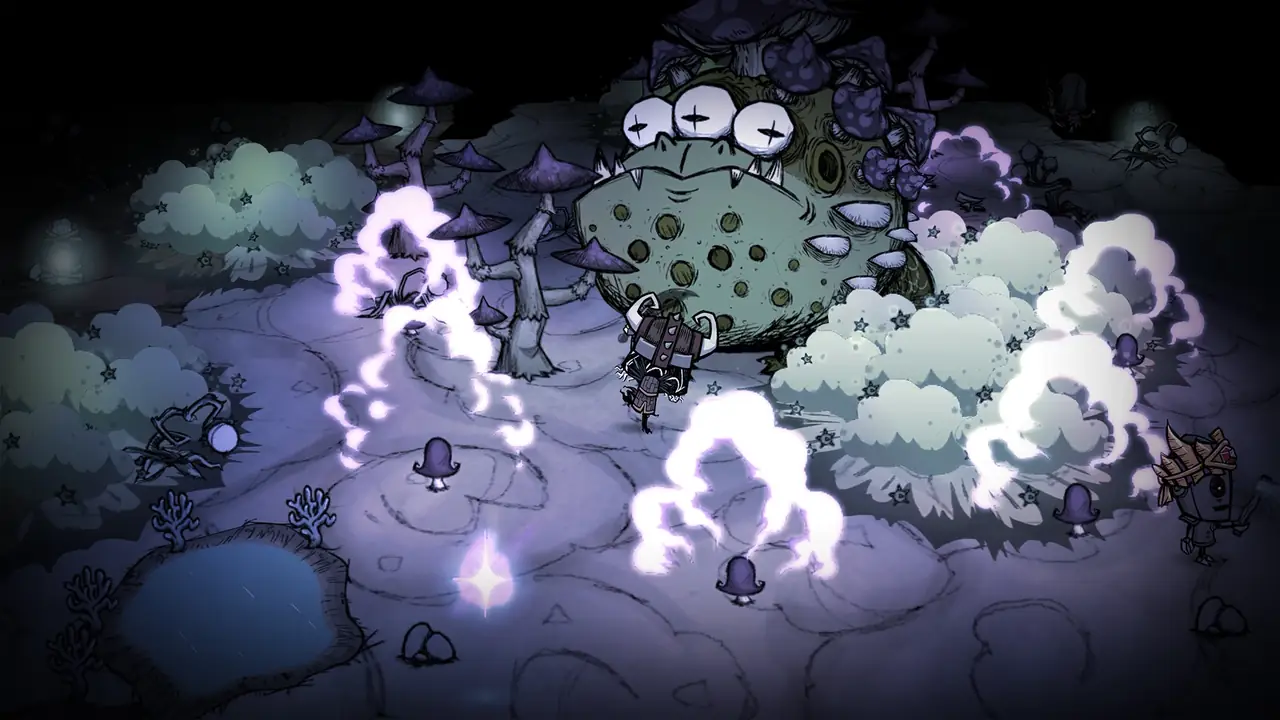 No.048Don't Starve Together
01The core loop
Action → feedback → next choice- 01Acquire perishable food
- 02Watch freshness drop
- 03Process or store it well
- 04Eat when needed
↻Feedback changes the situation — the next round starts from there.
Walk through one round
A simplified design example. Situations and numbers illustrate the mechanic, not exact rules from a reference game.
- T1
Turn 1 · The situation
The player has 6 raw meats losing 25% freshness daily, rotting on day 4; a drying rack holds 2 and takes a day.
- T2
Turn 2 · The player chooses
They eat 2 today, dry 2, and put 2 in a cold box.
- T3
Turn 3 · The feedback
The jerky now lasts over ten days and the cold box halves decay, so none of the 6 is wasted.
- T4
Turn 4 · The next decision
With winter coming, they consider a second rack to turn every hunt into long-term stock.
How it plays
Every food has freshness that drops over time, weakening effects until it rots. Drying, salting or cold storage slow or stop the decline but cost time, facilities or materials, and processed food often loses some nutrition. Icon color shifts and freshness percentages are the main cues.
What the player weighs
- Eat it fresh now, or spend time processing it for later.
- Give scarce storage to preserved goods, or to more valuable fresh items.
02Start small
Scope is an editorial estimate for the minimum prototype, not the reference game or a production schedule.
03One mechanic, different implementations
Don't Starve Together
Food ticks from fresh to rotten; the Ice Box slows spoilage and the drying rack turns raw meat into long-lasting jerky, so teams often split up pantry duties.
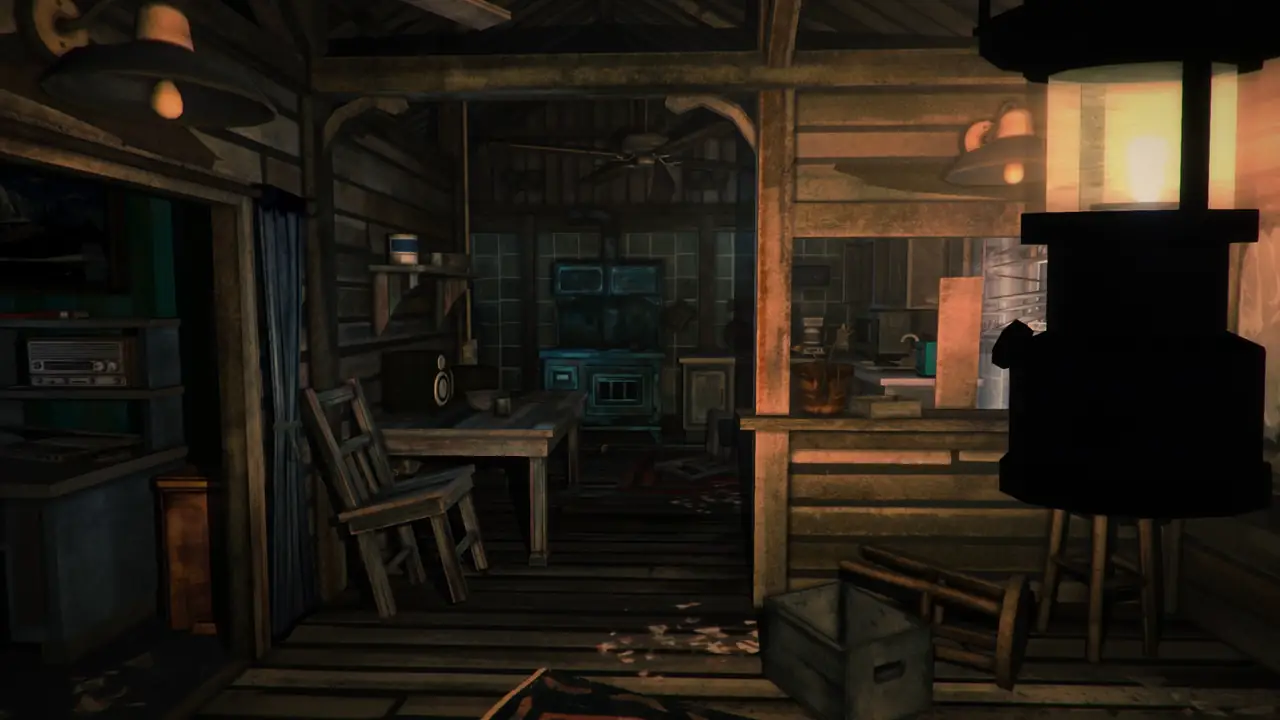
The Long Dark
Food condition declines over time, and as I recall it decays more slowly outdoors in the cold than indoors, so players often cache meat outside.
The difference worth noticing
Don't Starve Together makes preservation a building goal with dedicated structures; The Long Dark leans on the environment itself, like cold.
Case notes are Yoroll editorial summaries; rules may change between versions.
04What could you combine?
Regional specialties are cheap locally but perishable, so players must preserve them first to sell far away at a premium.
Prototype this combo in Yoroll→Follow the next idea
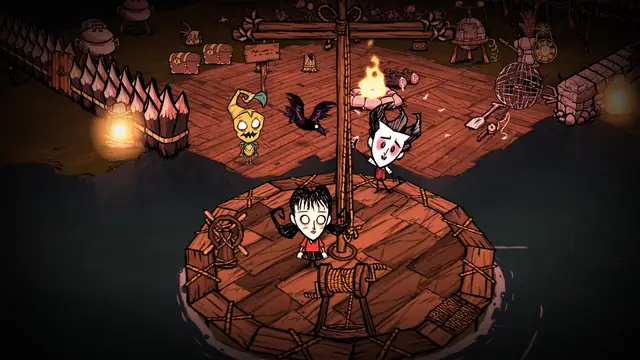
Ingredient Substitution
The recipe wants ‘some meat’, not one specific cut, so you cook with what's on hand.
- Prototype complexity
- Who plays
- Solo decisions
- 01Check category requirements
- 02Count what's on hand
- 03Pick the cheapest substitute
- 04Get the dish and its variance
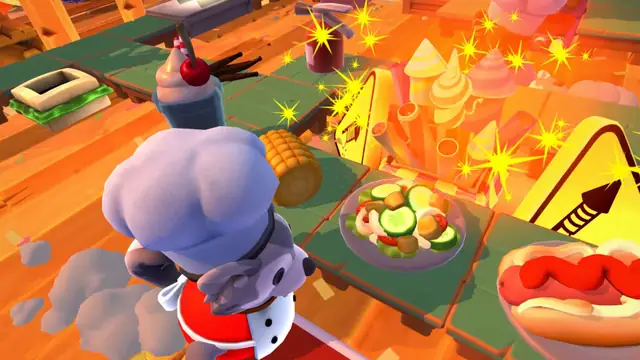
Timed Order Triage
Orders keep arriving, each on a timer, and you decide which to save first.
- Prototype complexity
- Who plays
- Solo decisions
- 01Scan the order queue
- 02Judge remaining time
- 03Commit to one order
- 04Deliver and reprioritize

Cooking Doneness Window
Too early it's raw, too late it's burnt; a good dish only exists in a short window.
- Prototype complexity
- Who plays
- Solo decisions
- 01Put food on heat
- 02Watch doneness cues
- 03Pull it inside the window
- 04Get a dish or char