
Ingredient Substitution
The recipe wants ‘some meat’, not one specific cut, so you cook with what's on hand.
- Prototype complexity
- Who plays
- Solo decisions
- Design focus
- Economy · Planning · Optimization
 No.042Don't Starve Together
01The core loop
Action → feedback → next choice- 01Check category requirements
- 02Count what's on hand
- 03Pick the cheapest substitute
- 04Get the dish and its variance
↻Feedback changes the situation — the next round starts from there.
Walk through one round
A simplified design example. Situations and numbers illustrate the mechanic, not exact rules from a reference game.
- T1
Turn 1 · The situation
A stew needs 2 meat plus 2 anything; the player has 1 large meat, 3 small meats, 4 twigs and 2 berries.
- T2
Turn 2 · The player chooses
They use 2 small meats for the meat value and 2 twigs as filler, keeping the large meat.
- T3
Turn 3 · The feedback
The stew succeeds, restoring 60 hunger, and the large meat survives for another pot tomorrow.
- T4
Turn 4 · The next decision
Had the meat value fallen short, they'd get useless mush, so they start noting each item's values.
How it plays
Recipes specify categories rather than exact items, like ‘any fish’, ‘at least one meat’ or ‘filler’. Players fill slots with cheap or surplus items and save precious ones; some systems vary quality or effect by substitute. The resulting dish, its stats, or a failed product are the feedback.
What the player weighs
- Use cheap substitutes to save resources, or premium ones for a better dish.
- Assemble a known result, or test an uncertain combination.
02Start small
Scope is an editorial estimate for the minimum prototype, not the reference game or a production schedule.
03One mechanic, different implementations
Don't Starve Together
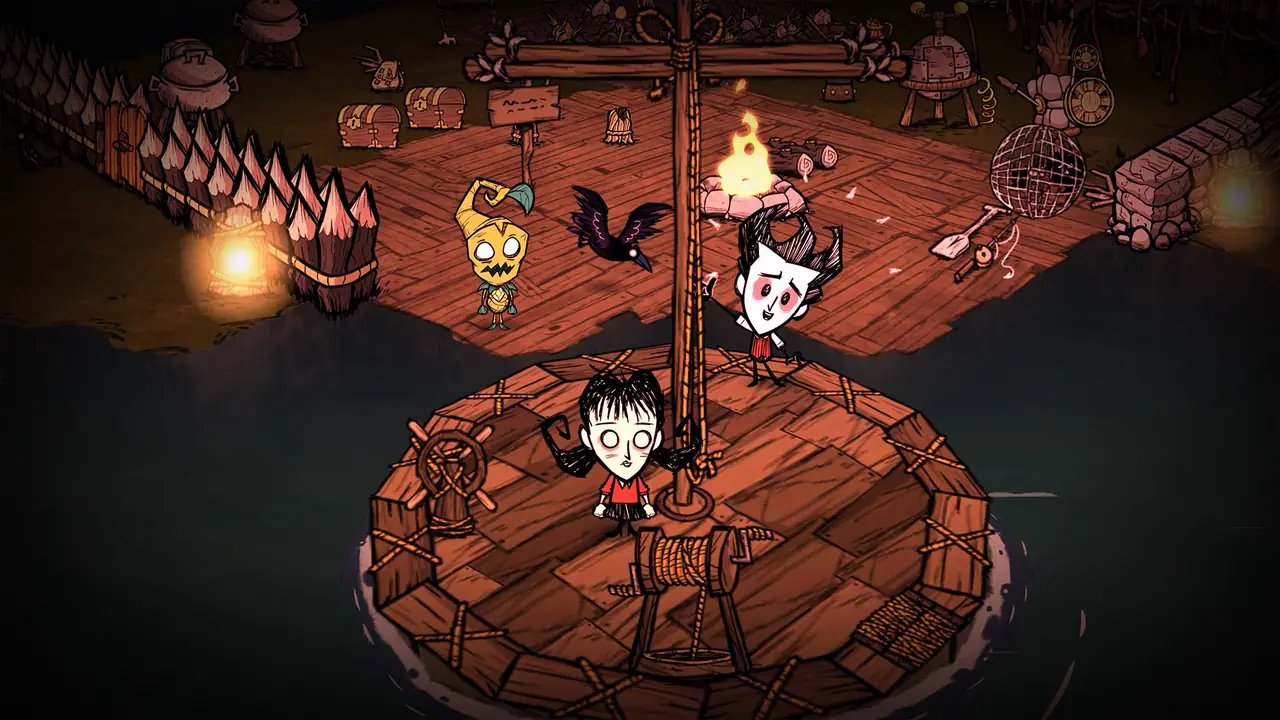
The Crock Pot judges recipes by values like meat, vegetable and fruit content, with twigs or ice usable as filler, so substitution is the core play.
Stardew Valley
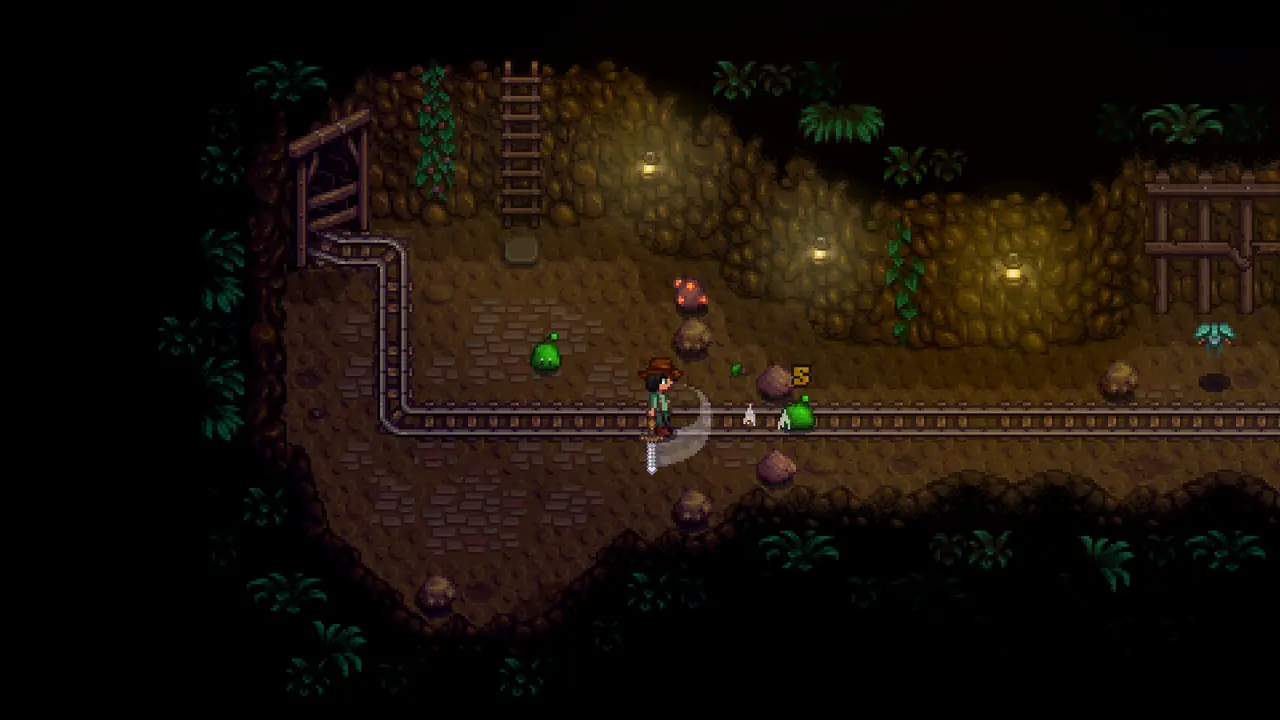
Most recipes need specific items, but some accept categories like any fish or any egg, letting players use up common surplus.
The difference worth noticing
Don't Starve Together builds its whole cooking system on substitution; Stardew Valley offers limited flexibility in a few recipes.
Case notes are Yoroll editorial summaries; rules may change between versions.
04What could you combine?
Have customers order by description (‘spicy, chewy’), so players decide which substitutes satisfy the request.
Prototype this combo in Yoroll→Follow the next idea

Program the Route
Turn hauling into a schedule and let the fleet run it day and night.
- Prototype complexity
- Who plays
- Solo decisions
- 01Pick the stops
- 02Set load and unload rules
- 03Fleet runs on its own
- 04Tune by shortages
Preserving by Processing
Fresh food rots; a little processing makes it last through the lean days.
- Prototype complexity
- Who plays
- Solo decisions
- 01Acquire perishable food
- 02Watch freshness drop
- 03Process or store it well
- 04Eat when needed

Meal Buff Loadouts
What you eat before heading out decides how much you can take and how far you can go.
- Prototype complexity
- Who plays
- Solo decisions
- 01Assess the next outing
- 02Pick a meal combo
- 03Head out buffed
- 04Return before buffs fade