
You See, I Know
One player sees the problem, another holds the answer, and only talking joins them.
- Prototype complexity
- Who plays
- Co-op play
- Design focus
- Information · Cooperation · Timing
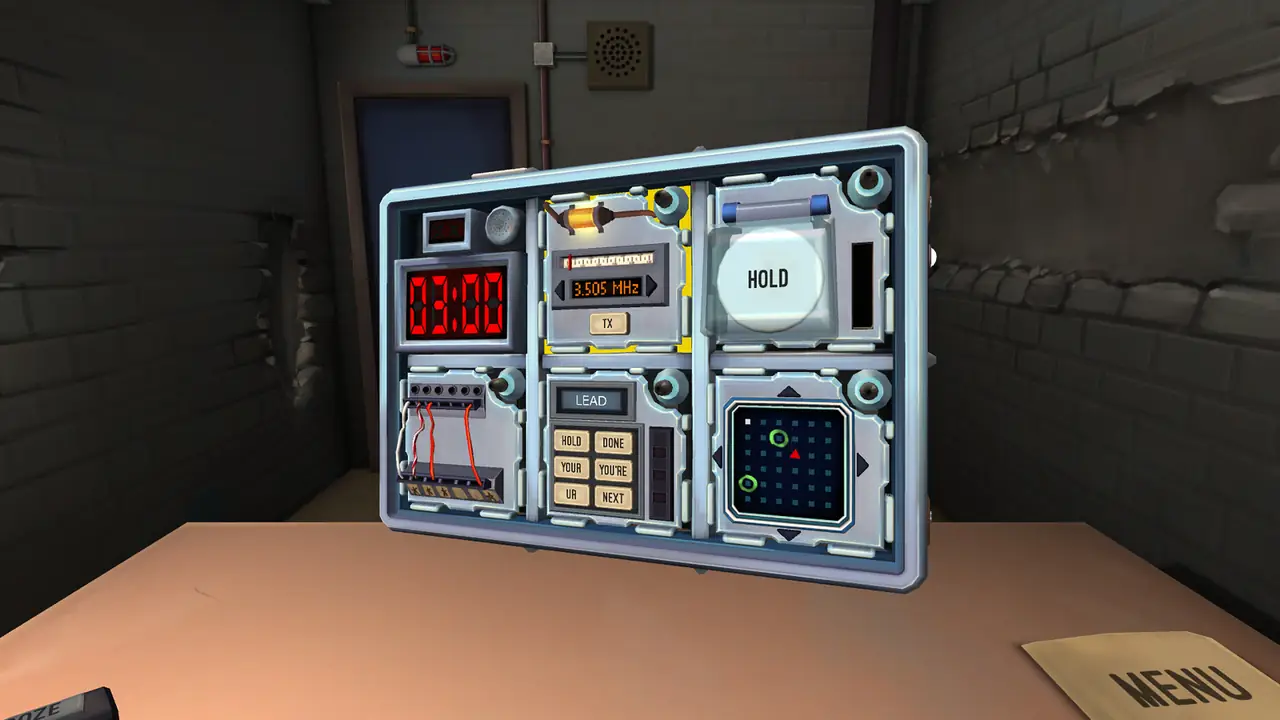 No.073Keep Talking and Nobody Explodes
01The core loop
Action → feedback → next choice- 01Each sees half
- 02Describe it aloud
- 03Partner looks it up
- 04Act and verify
↻Feedback changes the situation — the next round starts from there.
Walk through one round
A simplified design example. Situations and numbers illustrate the mechanic, not exact rules from a reference game.
- T1
Turn 1 · The situation
One player sees four colored wires; the manual says ‘if two red, cut the last blue’, with 90 seconds left.
- T2
Turn 2 · The player chooses
The viewer reads colors in order, and the reader asks for a top-to-bottom recap.
- T3
Turn 3 · The feedback
A purple wire mistaken for blue is caught, and the right wire is cut.
- T4
Turn 4 · The next decision
They agree to always pair colors with position numbers.
How it plays
Players are split across locations or screens: one faces the puzzle, the other holds the manual or other clues. They can’t see each other’s view and must describe precisely. Timers and error buzzes add pressure; solving is the payoff.
What the player weighs
- Speak fast vs speak precisely
- One leads vs both confirm
02Start small
Scope is an editorial estimate for the minimum prototype, not the reference game or a production schedule.
03One mechanic, different implementations
Keep Talking and Nobody Explodes
One player sees the bomb without the manual while others read the manual without seeing the bomb, defusing it by talking under a timer.
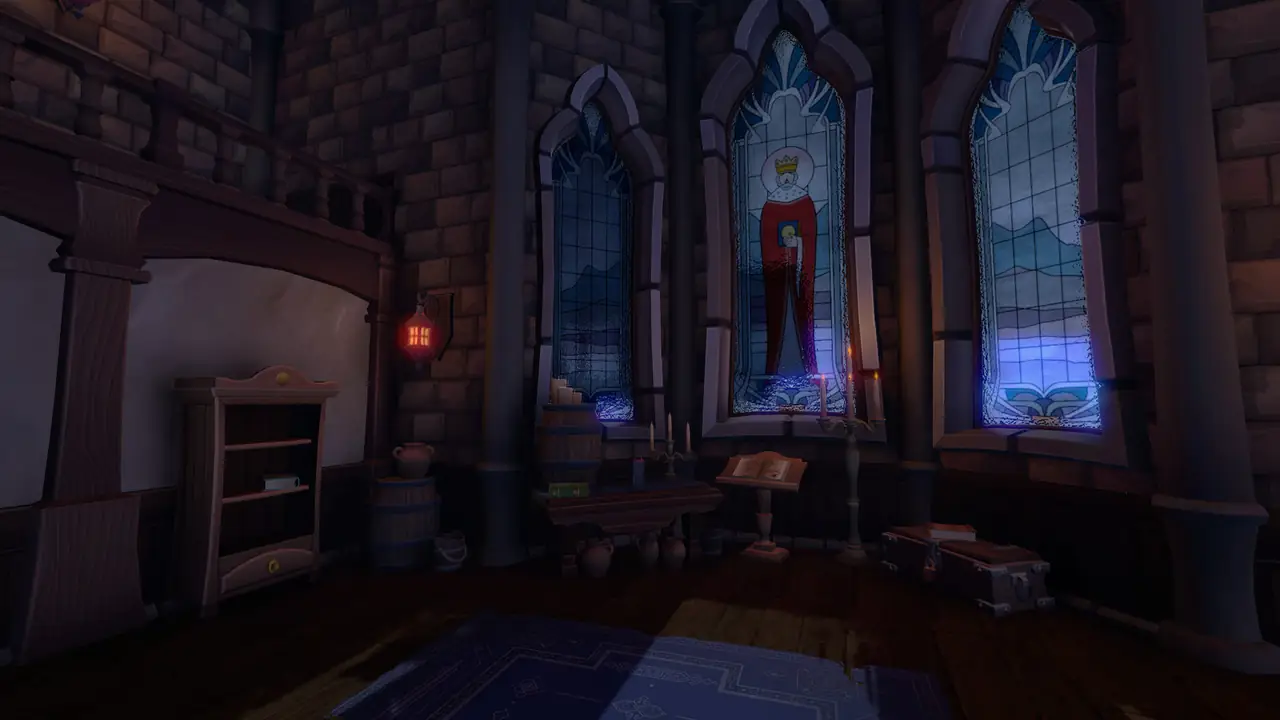
We Were Here
Two players are separated in a castle and talk only through in-game walkie-talkies, one describing what they see while the other guides from clues.
The difference worth noticing
Keep Talking is one-to-many manual lookup; We Were Here is a symmetric two-player puzzle across separate spaces.
Case notes are Yoroll editorial summaries; rules may change between versions.
04What could you combine?
Write the manual in an invented script that both players decode from context over several levels, speeding up their communication.
Prototype this combo in Yoroll→Follow the next idea
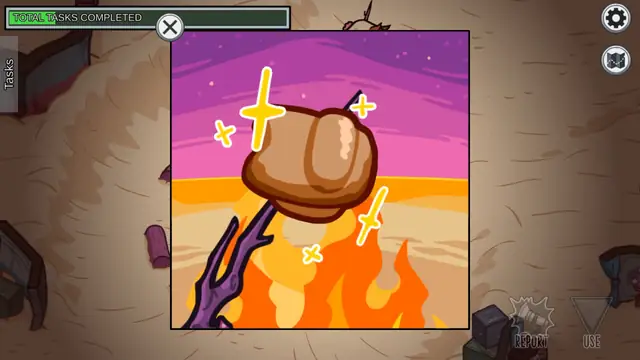
Debate and Vote
Lay out the evidence and talk the table into the right vote.
- Prototype complexity
- Who plays
- Competitive play
- 01A meeting is called
- 02Share what you saw
- 03Question each other
- 04Vote someone out
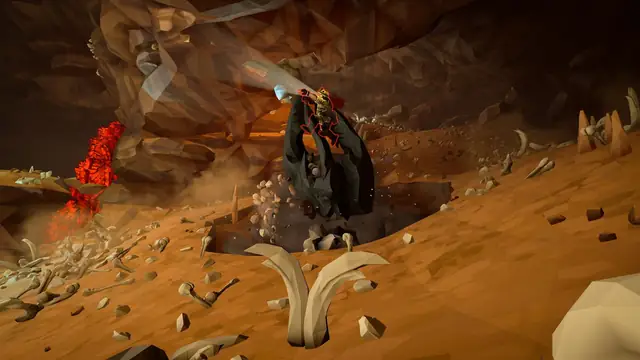
Pick Them Back Up
A fallen teammate isn’t the end; risking the rescue is the real team test.
- Prototype complexity
- Who plays
- Co-op play
- 01A teammate goes down
- 02Weigh the rescue risk
- 03Reach them and hold to revive
- 04Back in action or wipe
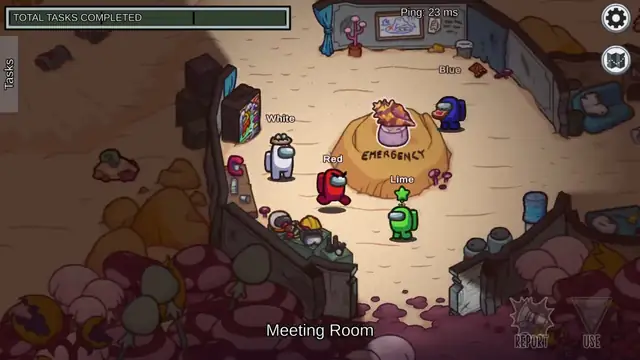
Hidden Roles
You know who you are; your job is making everyone believe otherwise.
- Prototype complexity
- Who plays
- Competitive play
- 01Roles dealt secretly
- 02Act on your role
- 03Disguise or observe
- 04Exposed or victorious