
Mazing the Enemy Path
Block paths into a maze; the longer enemies walk, the more damage they take.
- Prototype complexity
- Who plays
- Solo decisions
- Design focus
- Spatial · Planning · Optimization
 No.082Defense Grid: The Awakening
01The core loop
Action → feedback → next choice- 01Predict enemy pathing
- 02Place blocking structures
- 03Watch the path change
- 04Line the route with firepower
↻Feedback changes the situation — the next round starts from there.
Walk through one round
A simplified design example. Situations and numbers illustrate the mechanic, not exact rules from a reference game.
- T1
Turn 1 · The situation
The straight path is 20 tiles at 1 tile per second; a tower deals 10 per second over a 4-tile stretch.
- T2
Turn 2 · The player chooses
The player uses 8 walls to bend the route into an S, passing the tower twice.
- T3
Turn 3 · The feedback
The path grows to 32 tiles and enemies spend 8 s in range, doubling damage from 40 to 80.
- T4
Turn 4 · The next decision
The next wave brings flyers that cross the maze directly, so the player must add anti-air near the core.
How it plays
Enemies auto-path to the shortest route to their goal, and placed structures reshape it, though rules usually forbid sealing it completely. A good maze makes enemies double back past the same towers repeatedly. A path preview line and enemies' actual walking routes are the key feedback.
What the player weighs
- Spend on walls to lengthen the path, or on towers for damage.
- Chase a very long maze, knowing flyers ignore it.
02Start small
Scope is an editorial estimate for the minimum prototype, not the reference game or a production schedule.
03One mechanic, different implementations
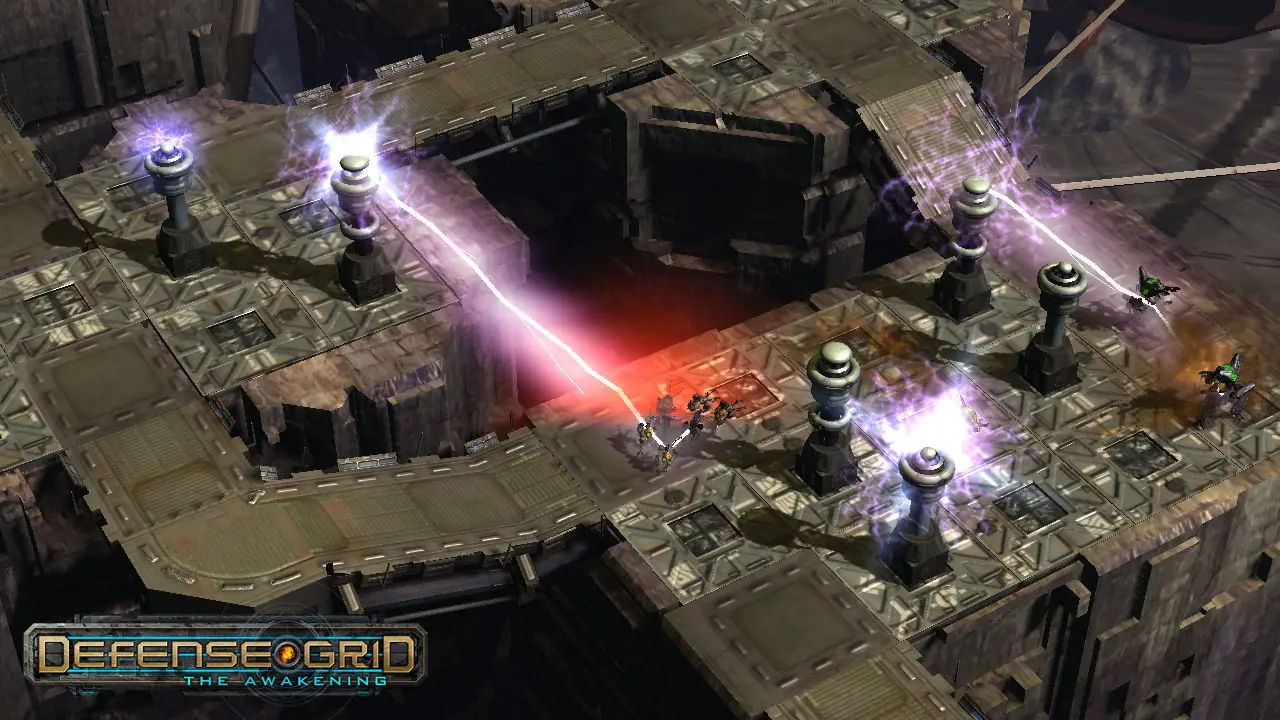
Defense Grid: The Awakening
Aliens try to steal power cores and carry them back out, and towers placed on the grid reroute them, so the round trip doubles a maze's value.
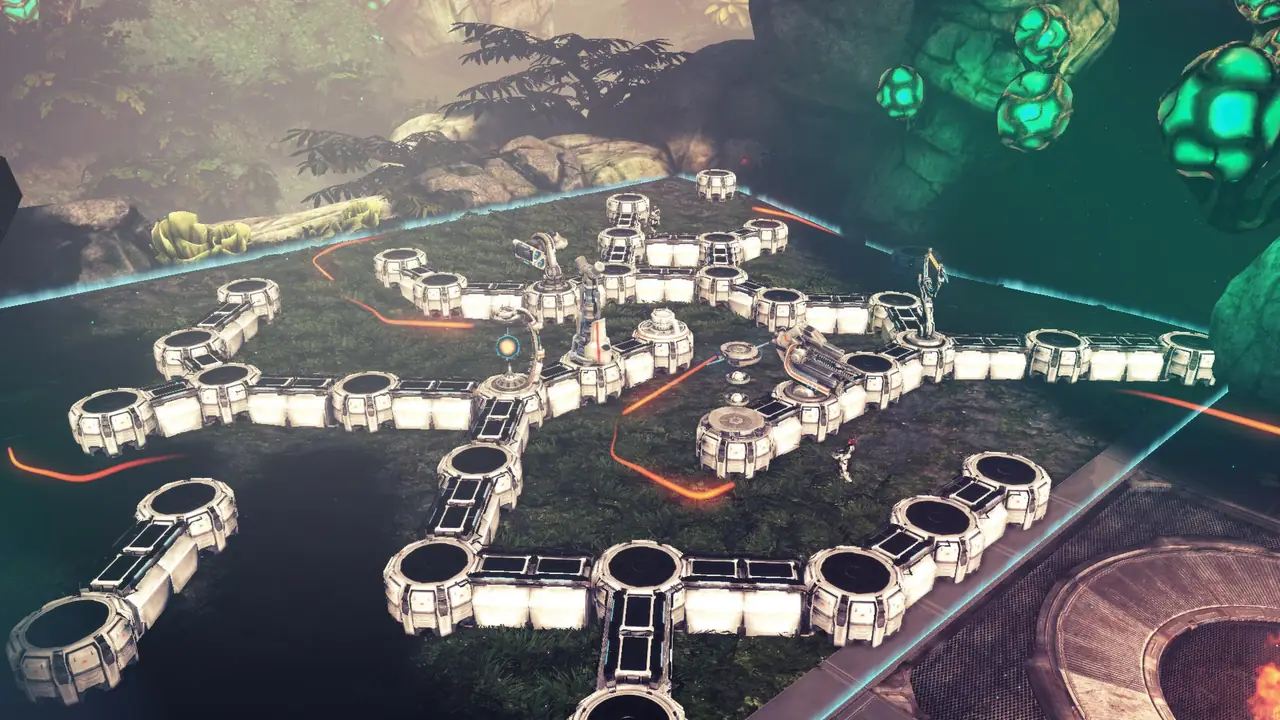
Sanctum 2
Players place blocks to form a maze, then build towers on top of them while shooting in first person, so the maze is both route and tower foundation.
The difference worth noticing
In Defense Grid towers are the walls; Sanctum 2 separates walls from towers and puts the player into the fight.
Case notes are Yoroll editorial summaries; rules may change between versions.
04What could you combine?
Build maze walls from snap-together modules with connector rules, so players design the longest path within those constraints.
Prototype this combo in Yoroll→Follow the next idea
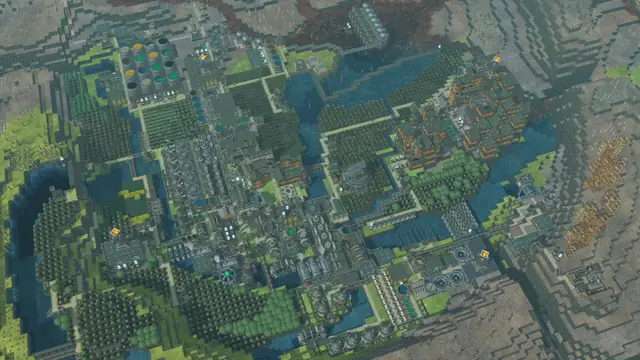
Roads and Entrances
A building isn't open until a road reaches its door.
- Prototype complexity
- Who plays
- Solo decisions
- 01Plan a building spot
- 02Connect a road
- 03Check flow and jams
- 04Reroute or widen

Coverage Radius Planning
Each facility covers a circle; placing circles well beats building more of them.
- Prototype complexity
- Who plays
- Solo decisions
- 01Find coverage gaps
- 02Place a service
- 03Check overlap and holes
- 04Shift or add more
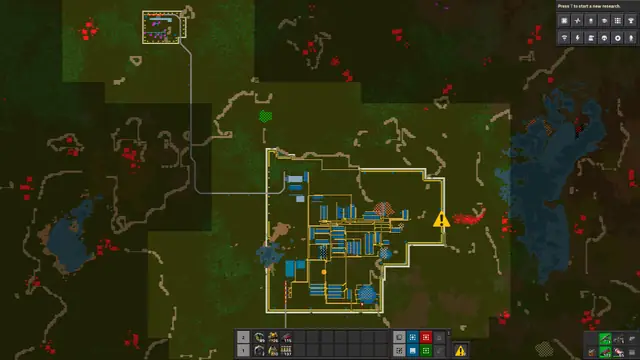
Keeping Turrets Supplied
A turret without ammo is a statue; the supply line is the defense's lifeline.
- Prototype complexity
- Who plays
- Solo decisions
- 01Build turrets
- 02Produce ammunition
- 03Lay supply lines
- 04Monitor stock and bottlenecks