
Ability Gates and Backtracking
That ledge you couldn't reach? You'll be back once you can double jump.
- Prototype complexity
- Who plays
- Solo decisions
- Design focus
- Discovery · Progression · Information
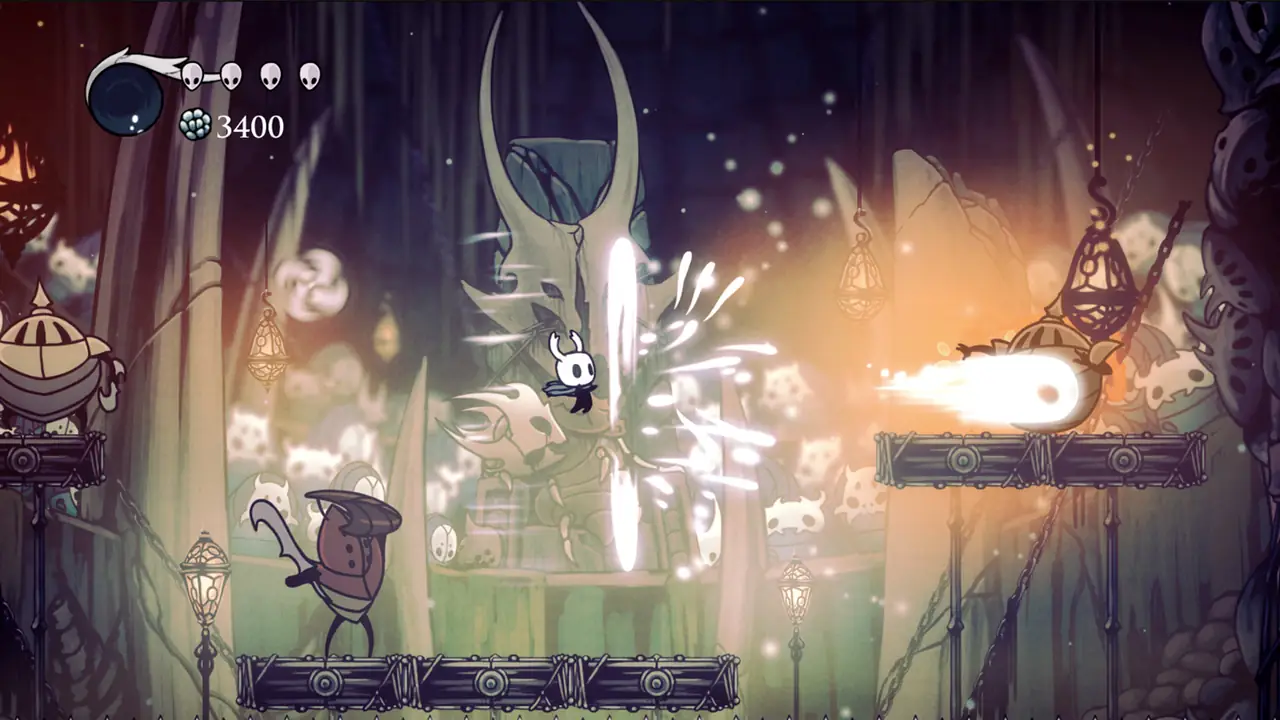 No.031Hollow Knight
01The core loop
Action → feedback → next choice- 01Hit an impassable obstacle
- 02Note it and move on
- 03Earn a new ability
- 04Backtrack and open it
↻Feedback changes the situation — the next round starts from there.
Walk through one round
A simplified design example. Situations and numbers illustrate the mechanic, not exact rules from a reference game.
- T1
Turn 1 · The situation
You've marked 3 unreachable walls; you just got wall-climbing, and the main goal lies east.
- T2
Turn 2 · The player chooses
You return to the nearest western wall, about 2 minutes away.
- T3
Turn 3 · The feedback
Up top is a max-health fragment and a shortcut leading east.
- T4
Turn 4 · The next decision
One of the remaining walls seems to need a higher jump, so you note it for later.
How it plays
The map is dotted with obstacles that need specific movement abilities—high walls, spikes, breakable barriers. Gaining an ability opens areas you've already seen, often holding hidden rewards. Good design lets players guess what's needed just by seeing the obstacle.
What the player weighs
- Backtracking for rewards makes you stronger but slows the main path
- Following intended order is safe; sequence breaking needs more skill
02Start small
Scope is an editorial estimate for the minimum prototype, not the reference game or a production schedule.
03One mechanic, different implementations
Hollow Knight
Mantis Claw, Monarch Wings and dash open new areas, and many visible-but-unreachable spots become accessible later.
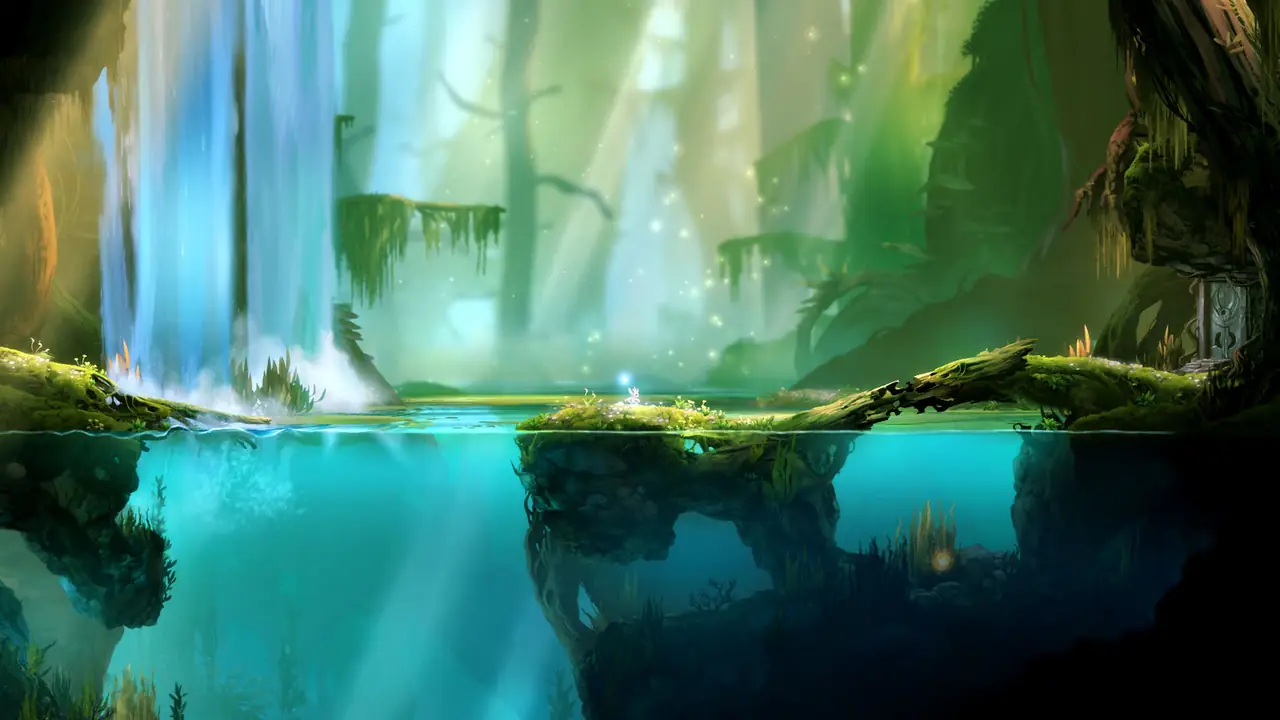
Ori and the Blind Forest
Double Jump, Bash and Charge Flame unlock over time to cross new terrain and break barriers, sending you back for energy and life cells.
The difference worth noticing
Hollow Knight's map is more open with room for sequence breaks; Ori is more guided and focused on movement feel.
Case notes are Yoroll editorial summaries; rules may change between versions.
04What could you combine?
New abilities are crafted through a multi-stage chain from materials in different regions, so backtracking also gathers inputs.
Prototype this combo in Yoroll→Follow the next idea
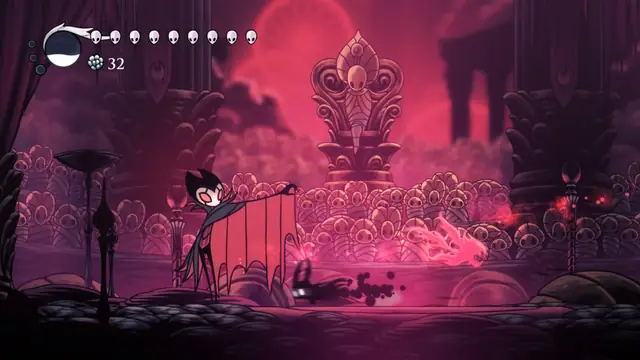
Earned Map Information
The map doesn't just appear; you buy it, find it, or draw it yourself.
- Prototype complexity
- Who plays
- Solo decisions
- 01Enter unknown ground
- 02Seek a map source
- 03The map fills in
- 04Plan routes with it
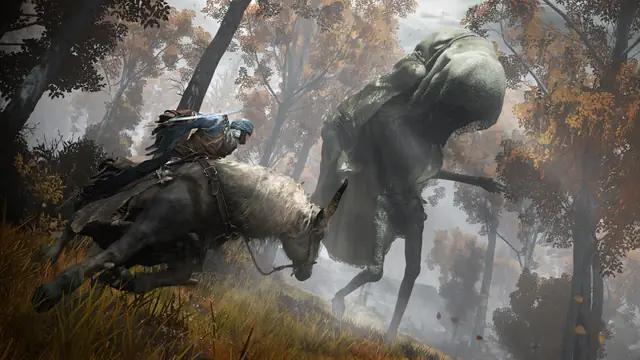
Unlockable Fast-Travel Network
Each node you unlock makes the world a little smaller.
- Prototype complexity
- Who plays
- Solo decisions
- 01Discover a node
- 02Activate or pay for it
- 03Travel between nodes
- 04Plan farther expeditions
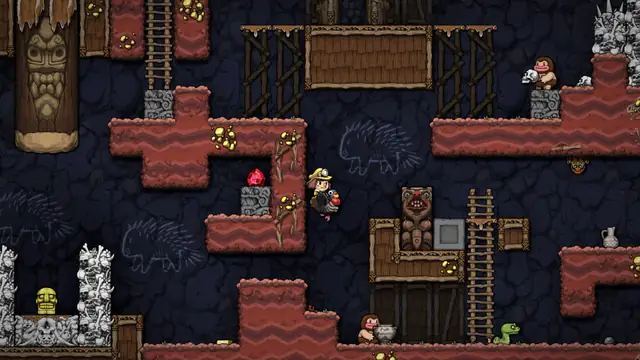
Reading Routes in Procedural Terrain
You've never seen this level, but you recognize the patterns in its pieces.
- Prototype complexity
- Who plays
- Solo decisions
- 01Scan the fresh terrain
- 02Spot safe and dangerous areas
- 03Choose a route
- 04Spend resources to recover