
Irrigation Coverage
Sprinkler coverage shapes decide how fields are laid out, and every gap is waste.
- Prototype complexity
- Who plays
- Solo decisions
- Design focus
- Spatial · Optimization · Planning
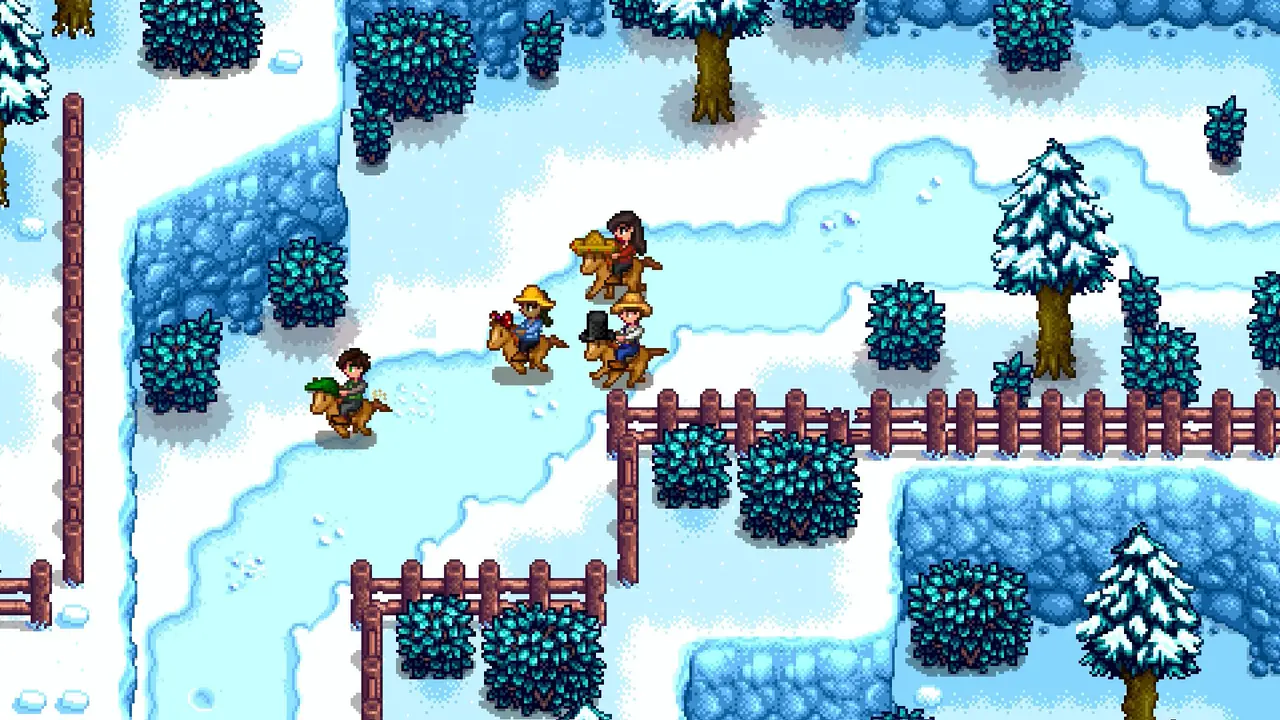 No.223Stardew Valley
01The core loop
Action → feedback → next choice- 01Learn each device's coverage
- 02Plan the field layout
- 03Place irrigation
- 04Fix uncovered tiles
↻Feedback changes the situation — the next round starts from there.
Walk through one round
A simplified design example. Situations and numbers illustrate the mechanic, not exact rules from a reference game.
- T1
Turn 1 · The situation
The player has a 9×9 plot and 4 sprinklers that each water the 8 surrounding tiles.
- T2
Turn 2 · The player chooses
They place each sprinkler at the center of a 3×3 block, forming four blocks.
- T3
Turn 3 · The feedback
Four sprinklers cover 32 tiles, leaving 45 to water by hand.
- T4
Turn 4 · The next decision
Learning the upgraded sprinkler covers 5×5, they plan to rebuild the whole plot.
How it plays
Irrigation devices water a fixed-shape area each day and occupy a tile themselves. Players search for layouts that maximize coverage and minimize waste on limited land, and upgrades change the shape, often forcing a redesign. Uncovered tiles stay dry-colored and obvious.
What the player weighs
- Make do with small devices now, or save for wide-range ones and plan once.
- Chase a perfect grid, or leave room for paths and buildings.
02Start small
Scope is an editorial estimate for the minimum prototype, not the reference game or a production schedule.
03One mechanic, different implementations
Stardew Valley
Sprinklers come in tiers, covering the 4 adjacent tiles, then the surrounding 8, then a 5×5 area, and players often shape fields around the top tier.
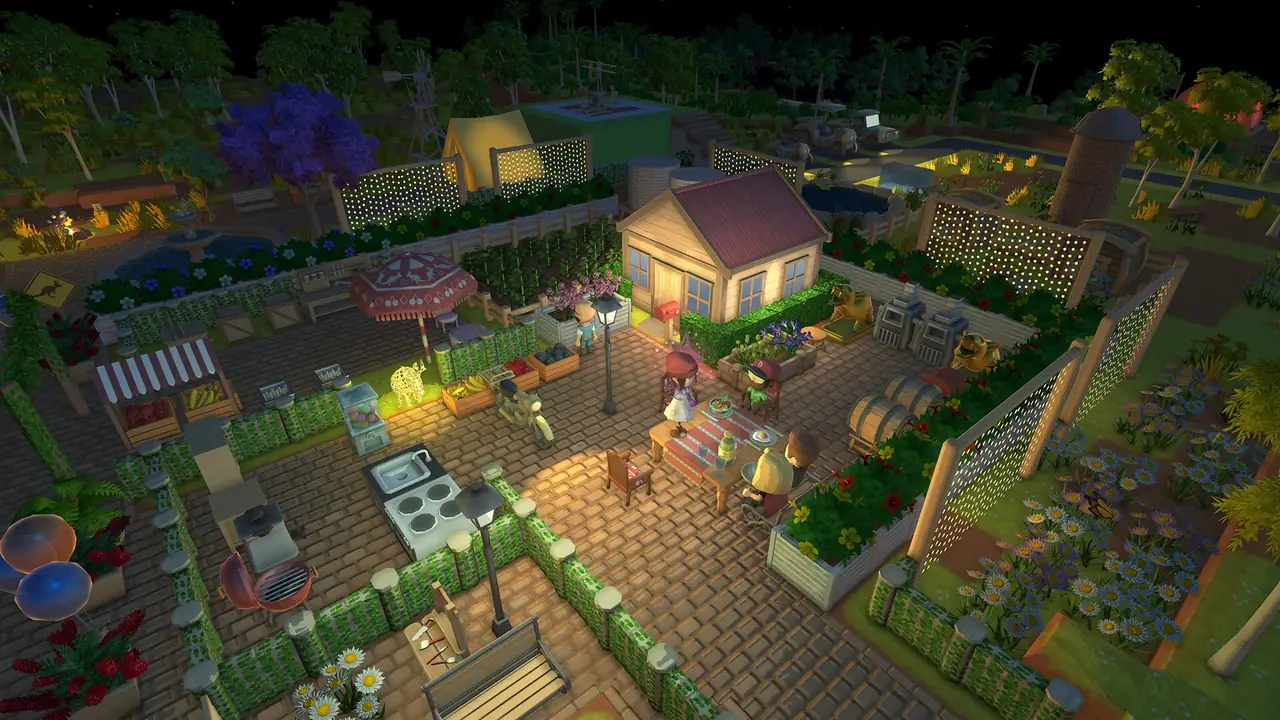
Dinkum
It also has automatic sprinklers, and as I recall they must sit near a water tank to work, so layouts must account for water sources.
The difference worth noticing
Stardew Valley's irrigation is pure shape coverage; Dinkum adds a constraint tied to distance from water sources.
Case notes are Yoroll editorial summaries; rules may change between versions.
04What could you combine?
Tie irrigation to reservoir levels, so players plan both coverage and when to store rain and release it in droughts.
Prototype this combo in Yoroll→Follow the next idea
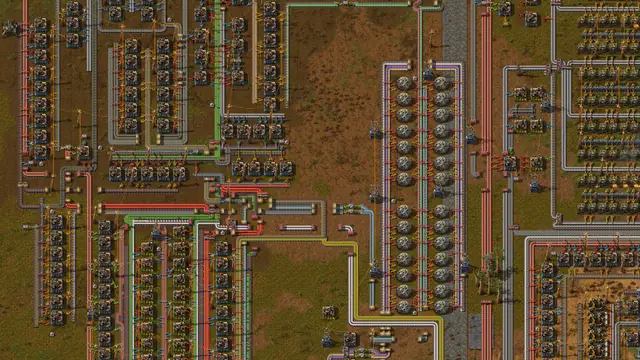
Drone Logistics Network
No belts needed: flying units deliver where needed, but you have to keep them supplied.
- Prototype complexity
- Who plays
- Solo decisions
- 01Build ports and storage
- 02Set requests and supplies
- 03Drones deliver automatically
- 04Expand or refuel the network
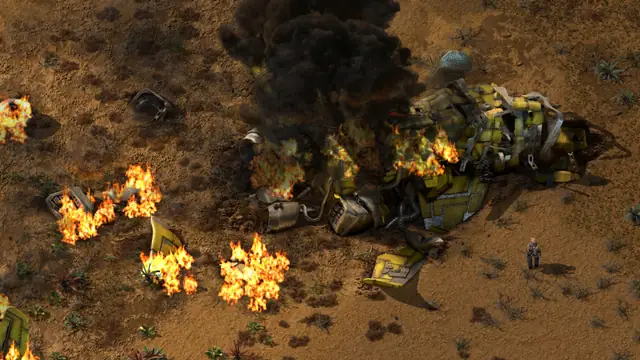
Conveyor Routing
Moving items from A to B is easy; keeping every line from tangling is the game.
- Prototype complexity
- Who plays
- Solo decisions
- 01Plan source and destination
- 02Lay belts around obstacles
- 03Watch flow and jams
- 04Reroute or add layers
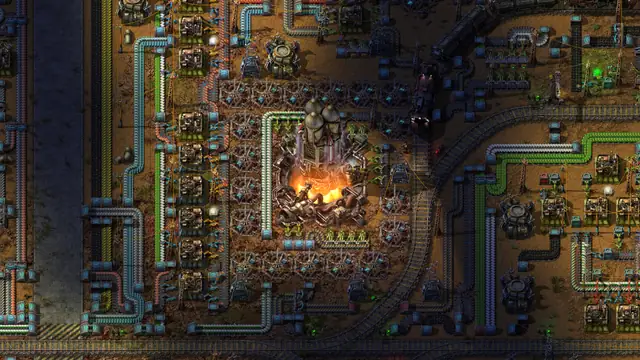
Flow Splitting and Ratios
Feeding several machines from one input comes down to exact ratios and even splits.
- Prototype complexity
- Who plays
- Solo decisions
- 01Calculate each machine's demand
- 02Place splitters and mergers
- 03Check for starved machines
- 04Tune ratios or priority