
Where the Fish Live
Each fish has its place, season and hour; finding it matters more than technique.
- Prototype complexity
- Who plays
- Solo decisions
- Design focus
- Discovery · Information · Planning
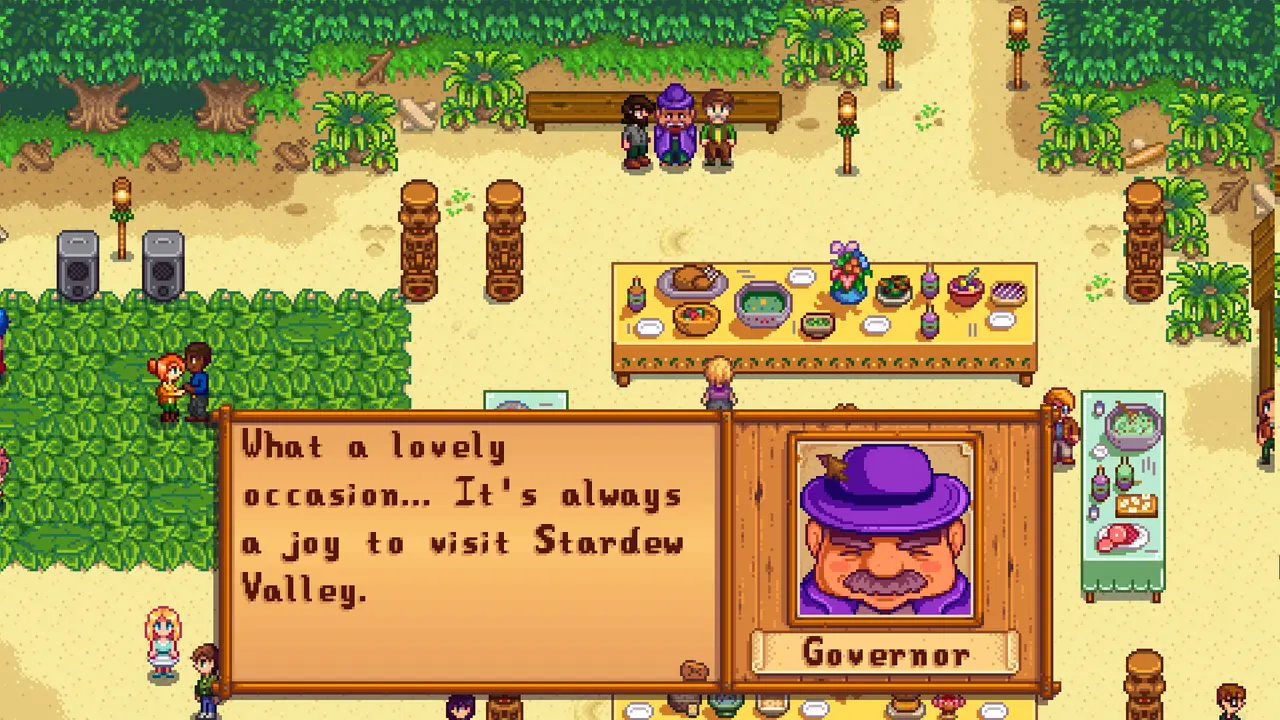 No.234Stardew Valley
01The core loop
Action → feedback → next choice- 01Get a lead on a species
- 02Go to matching water
- 03Fish to test it
- 04Log it in the collection
↻Feedback changes the situation — the next round starts from there.
Walk through one round
A simplified design example. Situations and numbers illustrate the mechanic, not exact rules from a reference game.
- T1
Turn 1 · The situation
The log says an eel appears 'on rainy nights by the sea'; it's raining and 6 PM.
- T2
Turn 2 · The player chooses
The player drops farm chores and heads to the beach with bait until dark.
- T3
Turn 3 · The feedback
After 8 PM two eels bite, unlocking the entry and its sale price.
- T4
Turn 4 · The next decision
The player scans the remaining blanks in the log for the next target.
How it plays
Fish appear by water type, season, weather and time, forming a hidden distribution table. Players piece it together through collection hints, NPC chatter or trial and error, and completing the collection becomes a long-term goal.
What the player weighs
- Travel far for rare fish vs. fish nearby for steady income
- Spend a rainy day fishing vs. other time-sensitive tasks
02Start small
Scope is an editorial estimate for the minimum prototype, not the reference game or a production schedule.
03One mechanic, different implementations
Stardew Valley
Rivers, lakes, ocean and mine pools each have species, layered with season, weather and hour; each legendary fish appears only in a specific spot under certain conditions.
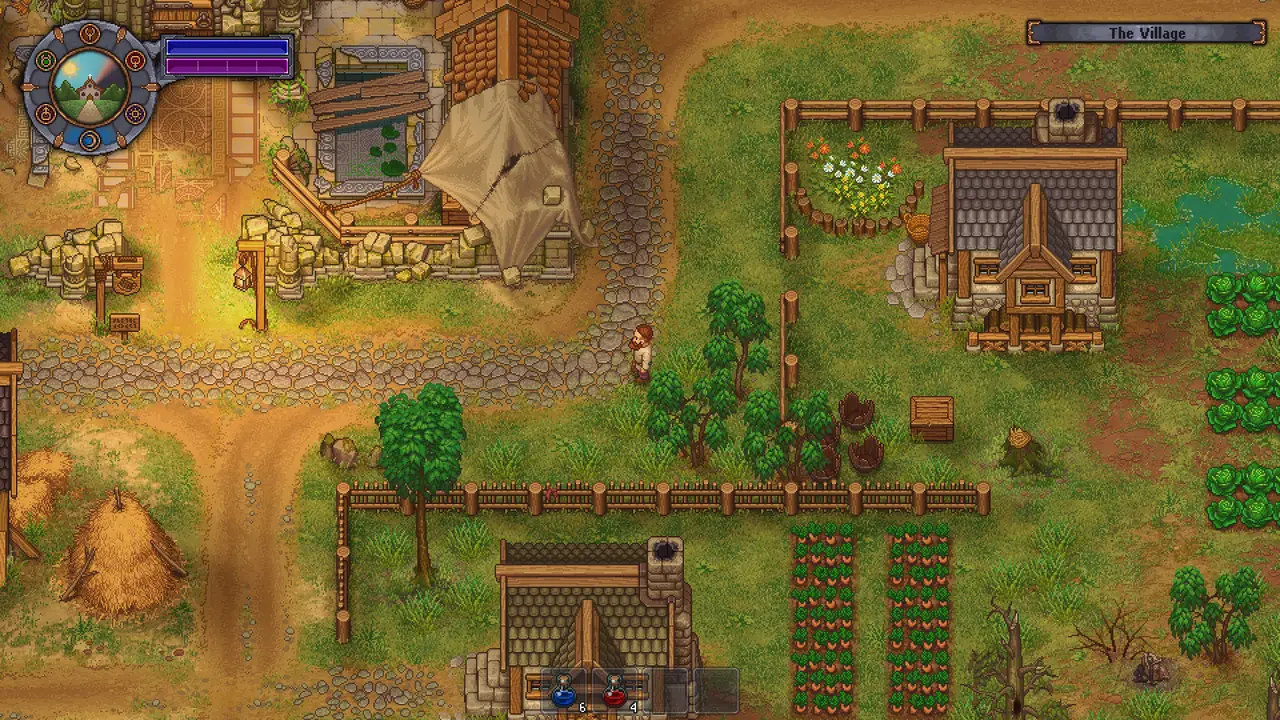
Graveyard Keeper
The map has a handful of fixed fishing spots with different catches, mostly used for cooking and trade; I'm unsure of finer conditions.
The difference worth noticing
Stardew builds habitats into a full collection system; Graveyard Keeper's spots serve mainly as a supply.
Case notes are Yoroll editorial summaries; rules may change between versions.
04What could you combine?
Combine with water engineering: build dams and sluices to change depth and flow, creating habitats that attract specific fish.
Prototype this combo in Yoroll→Follow the next idea
Earned Map Information
The map doesn't just appear; you buy it, find it, or draw it yourself.
- Prototype complexity
- Who plays
- Solo decisions
- 01Enter unknown ground
- 02Seek a map source
- 03The map fills in
- 04Plan routes with it
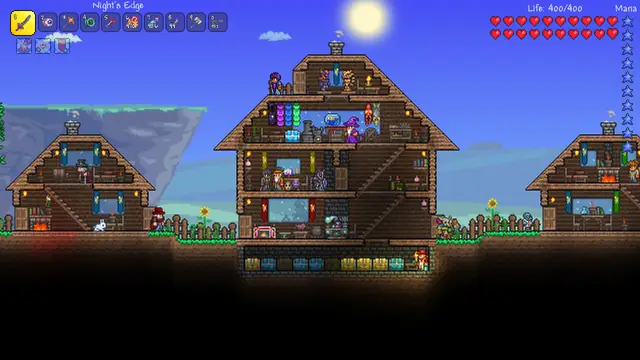
What Counts as a Room
Four walls are not always a room; meet the rules and it starts working.
- Prototype complexity
- Who plays
- Solo decisions
- 01Enclose a space
- 02Add required furniture
- 03The game checks the room
- 04Gain a function or resident
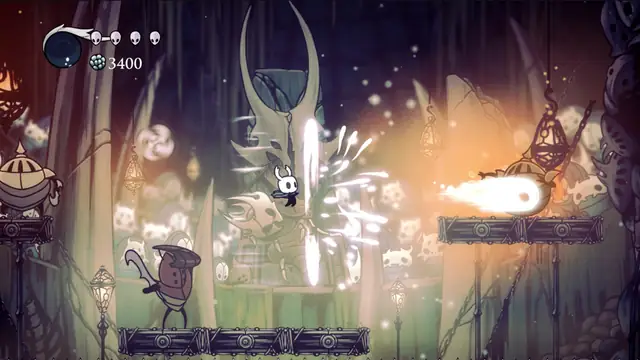
Ability Gates and Backtracking
That ledge you couldn't reach? You'll be back once you can double jump.
- Prototype complexity
- Who plays
- Solo decisions
- 01Hit an impassable obstacle
- 02Note it and move on
- 03Earn a new ability
- 04Backtrack and open it