
Reading Signs of Buried Loot
Small surface details hint at what's below; only sharp eyes dig it up.
- Prototype complexity
- Who plays
- Solo decisions
- Design focus
- Information · Discovery · Spatial
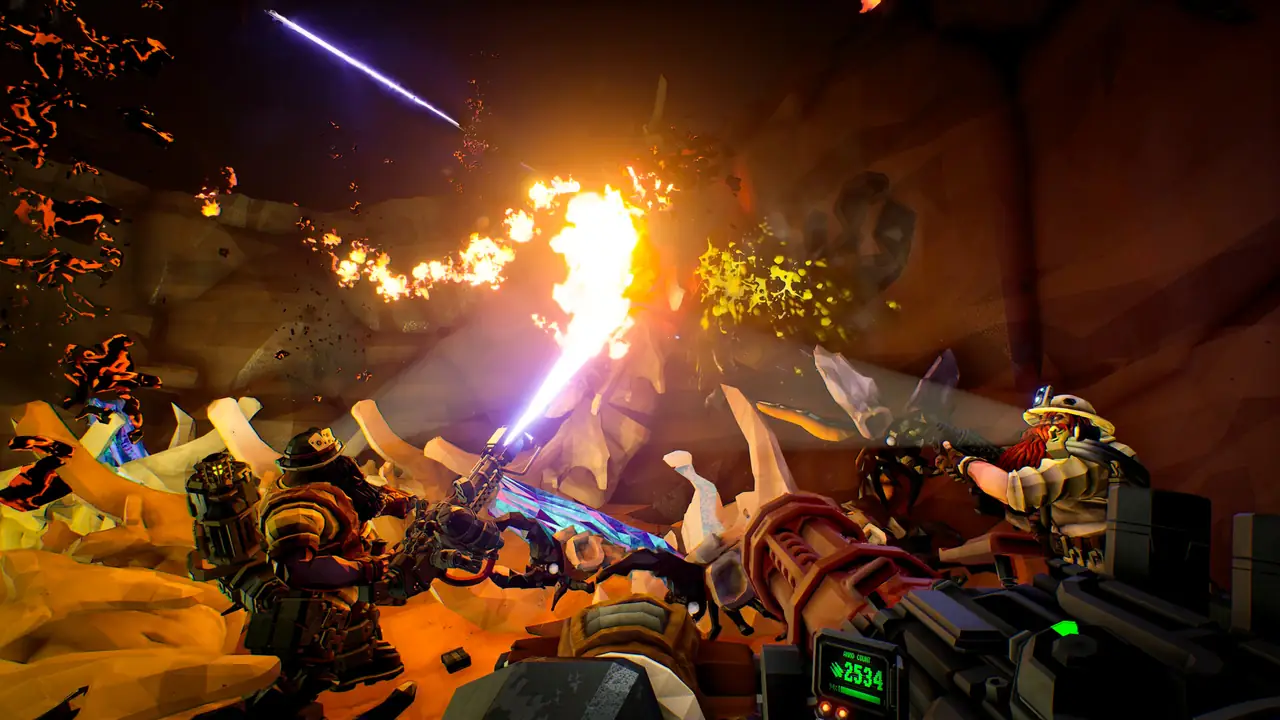 No.057Deep Rock Galactic
01The core loop
Action → feedback → next choice- 01Notice an odd detail
- 02Infer what's beneath
- 03Dig to confirm
- 04Remember the pattern
↻Feedback changes the situation — the next round starts from there.
Walk through one round
A simplified design example. Situations and numbers illustrate the mechanic, not exact rules from a reference game.
- T1
Turn 1 · The situation
A small wriggling mark appears by the field, and the player has energy to spare for the hoe.
- T2
Turn 2 · The player chooses
The player spends 4 energy digging it up.
- T3
Turn 3 · The feedback
Out comes an artifact and some seeds; a new slot fills in the collection.
- T4
Turn 4 · The next decision
The player starts checking for these marks every morning.
How it plays
Buried resources aren't shown directly; wiggling objects, color streaks or local features hint at them. Players learn to spot cues, dig for a reward and refine their pattern sense. Consistent cues make the learning curve smooth.
What the player weighs
- Stop to investigate vs. keep moving on the main task
- Spend tool use on guesses vs. dig only sure spots
02Start small
Scope is an editorial estimate for the minimum prototype, not the reference game or a production schedule.
03One mechanic, different implementations
Deep Rock Galactic
Minerals and rare finds often show only a sliver on the cave wall, so players identify them by look before digging; the terrain scanner helps read the layout.
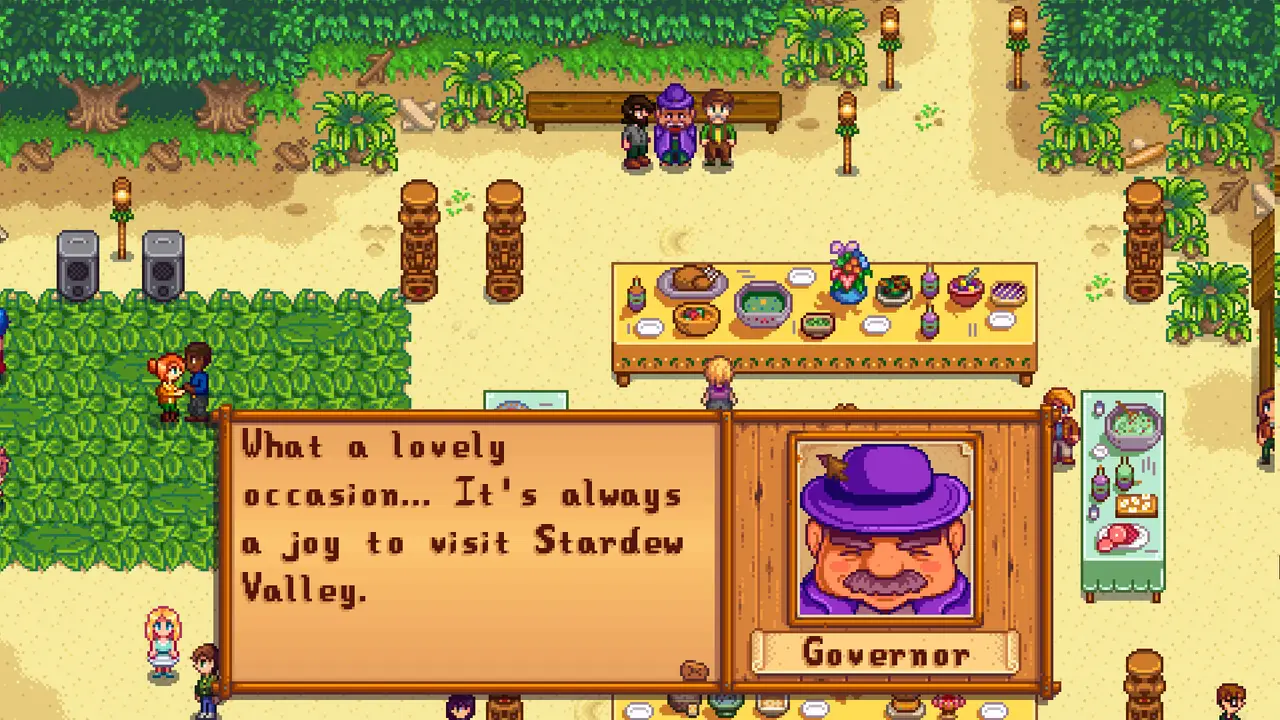
Stardew Valley
Wriggling artifact spots appear on the ground and yield artifacts or other items when hoed; mine ladders also hide under rocks you break.
The difference worth noticing
Deep Rock Galactic's cues reward scanning a 3D cave; Stardew's are daily refreshing surprises.
Case notes are Yoroll editorial summaries; rules may change between versions.
04What could you combine?
Make cues follow a visual rule set, like flower colors mapping to ore types, which players must deduce through observation and test digs.
Prototype this combo in Yoroll→Follow the next idea
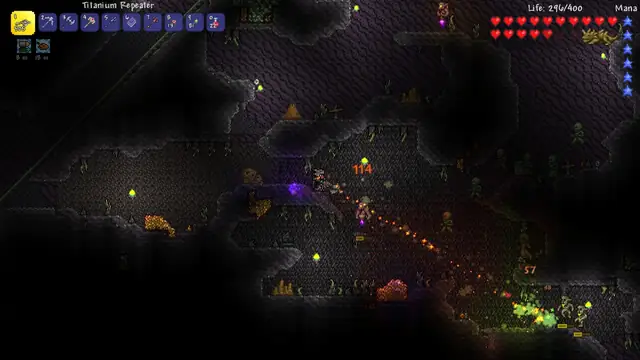
Resource Detection Overlay
Scanners or potions reveal what's hidden in the rock.
- Prototype complexity
- Who plays
- Solo decisions
- 01Activate detection
- 02Read the markers
- 03Plan a route
- 04Go harvest
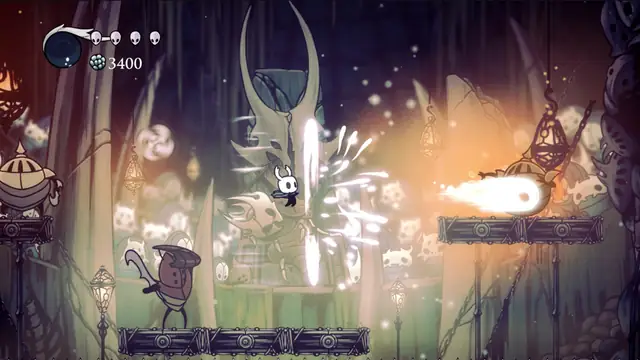
Ability Gates and Backtracking
That ledge you couldn't reach? You'll be back once you can double jump.
- Prototype complexity
- Who plays
- Solo decisions
- 01Hit an impassable obstacle
- 02Note it and move on
- 03Earn a new ability
- 04Backtrack and open it
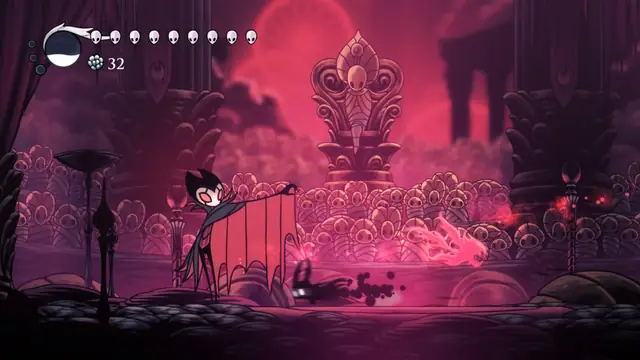
Earned Map Information
The map doesn't just appear; you buy it, find it, or draw it yourself.
- Prototype complexity
- Who plays
- Solo decisions
- 01Enter unknown ground
- 02Seek a map source
- 03The map fills in
- 04Plan routes with it