
Corpse Run Recovery
Death doesn't erase your stuff; it waits where you fell, if you dare go back.
- Prototype complexity
- Who plays
- Solo decisions
- Design focus
- Risk · Planning · Economy
 No.250Valheim
01The core loop
Action → feedback → next choice- 01Die and drop resources
- 02Respawn at a safe point
- 03Travel back to the spot
- 04Recover or lose it again
↻Feedback changes the situation — the next round starts from there.
Walk through one round
A simplified design example. Situations and numbers illustrate the mechanic, not exact rules from a reference game.
- T1
Turn 1 · The situation
You die deep in a swamp; your gravestone holds all gear and 800 gold of materials, 3 minutes from respawn.
- T2
Turn 2 · The player chooses
The player grabs spare weapons and food from a chest and heads straight for the marker.
- T3
Turn 3 · The feedback
Two hits on the way, but everything is recovered and a brief stamina buff kicks in.
- T4
Turn 4 · The next decision
The player builds a respawn point at the swamp's edge to shorten the next corpse run.
How it plays
On death your items or currency stay where you fell and must be retrieved in person; dying again on the way may lose them for good. The death site is usually still dangerous, making the trip a challenge itself.
What the player weighs
- Re-arm first vs rush back light: gearing up is safer but slower.
- Risk the retrieval vs accept the loss: sometimes walking away beats dying twice.
02Start small
Scope is an editorial estimate for the minimum prototype, not the reference game or a production schedule.
03One mechanic, different implementations
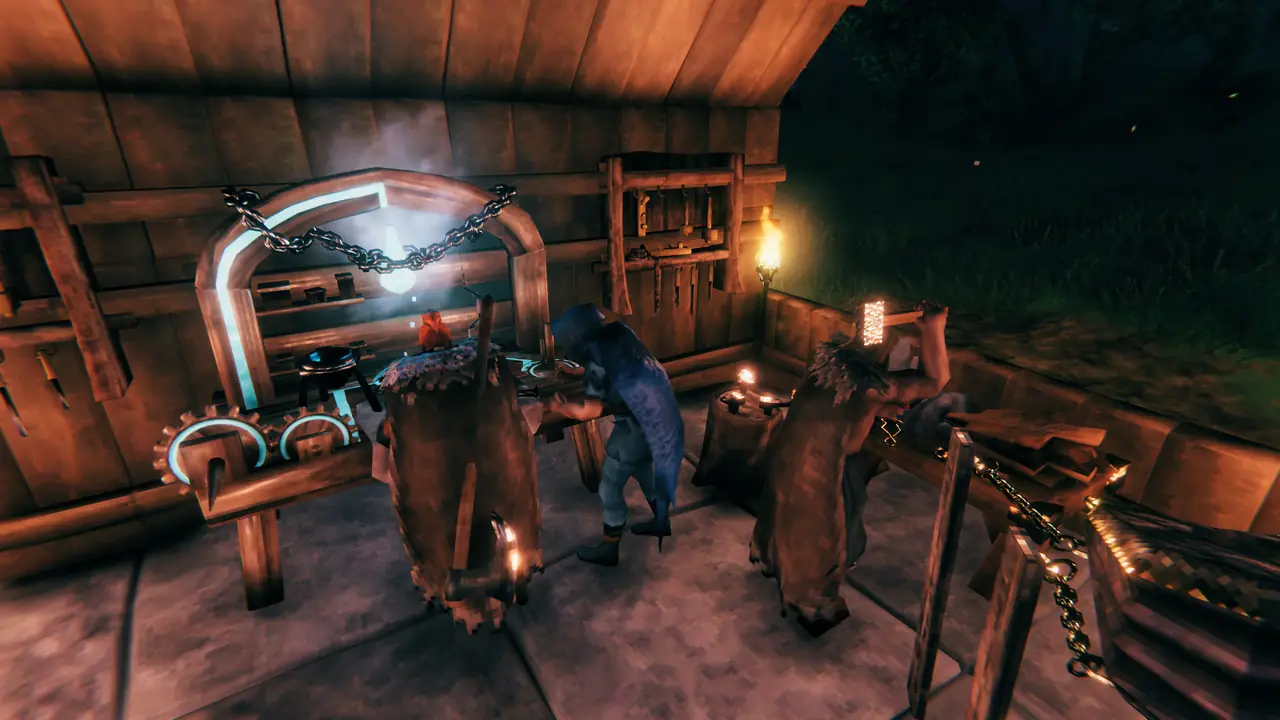
Valheim
On death all gear stays in a tombstone and you respawn empty-handed; reaching it restores everything and grants a short buff.

Hollow Knight
Dying drops all Geo and leaves a Shade where you fell; defeat it to reclaim the Geo, but die again first and it's gone for good.
The difference worth noticing
Valheim takes your gear, testing preparation and routing; Hollow Knight takes currency and makes you fight your own shade to recover it.
Case notes are Yoroll editorial summaries; rules may change between versions.
04What could you combine?
The map only records ground covered while alive, and the death marker is vague, so players rely on their own map-making to find the remains.
Prototype this combo in Yoroll→Follow the next idea
Carry-Weight Budget
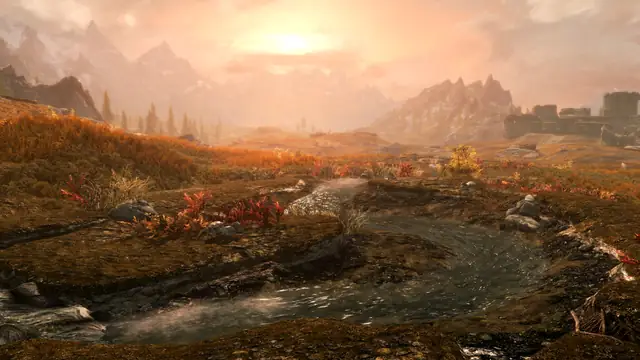
You can pick up plenty but carry little; going over weight costs you mobility.
- Prototype complexity
- Who plays
- Solo decisions
- 01Pick up loot
- 02Check carry weight
- 03Drop items or accept slowdown
- 04Return to sell or store
Buy Here, Sell There
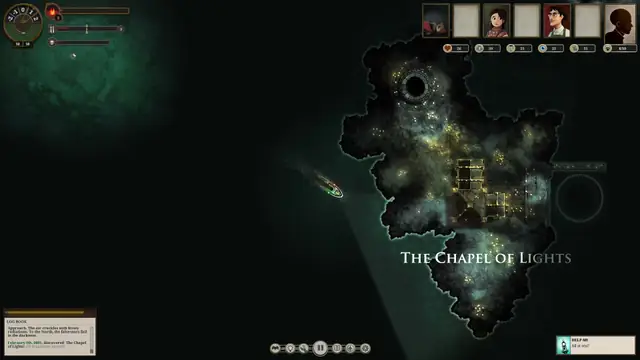
Buy low in one port, sell high in another, and the profit lives in the journey.
- Prototype complexity
- Who plays
- Solo decisions
- 01Compare regional prices
- 02Buy where it’s cheap
- 03Survive the trip
- 04Sell where it’s dear
Durability and Upkeep
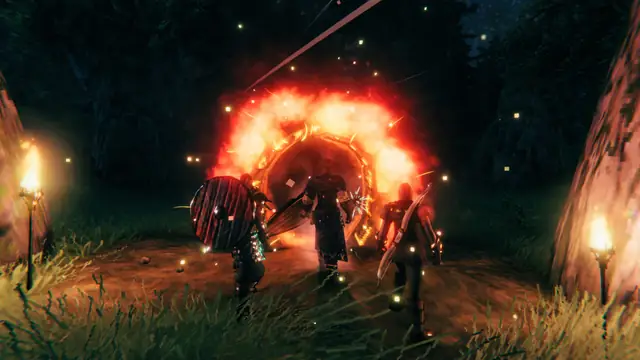
Tools wear with use, and breaking at the wrong moment is a disaster you plan around.
- Prototype complexity
- Who plays
- Solo decisions
- 01Use a tool or weapon
- 02Durability drops
- 03Repair or replace
- 04Plan the next trip