
Trace a Color Chain
Drag one stroke through matching pieces; the longer the chain, the bigger the payoff.
- Prototype complexity
- Who plays
- Solo decisions
- Design focus
- Planning · Spatial · Precision
 No.167Grindstone
01The core loop
Action → feedback → next choice- 01Find a same-color path
- 02Trace it in one stroke
- 03Release, clear, refill
- 04Plan the next long chain
↻Feedback changes the situation — the next round starts from there.
Walk through one round
A simplified design example. Situations and numbers illustrate the mechanic, not exact rules from a reference game.
- T1
Turn 1 · The situation
8 moves, 30 red dots needed. One path links 5 reds; a 2x2 red block can form a square.
- T2
Turn 2 · The player chooses
The player closes the square.
- T3
Turn 3 · The feedback
Every red dot on the board clears, 12 in total.
- T4
Turn 4 · The next decision
New dots fall randomly, and the player hunts for the next loop.
How it plays
Players drag through adjacent same-color pieces; releasing clears the whole chain. Length or closing a loop triggers extras, like clearing every piece of that color or spawning a special item.
What the player weighs
- Short chain now vs long chain later: long pays more but pressure may not wait.
- Clear targets vs arrange colors: setting up the next move sacrifices efficiency now.
02Start small
Scope is an editorial estimate for the minimum prototype, not the reference game or a production schedule.
03One mechanic, different implementations
Two Dots
Players link same-colored dots horizontally and vertically; closing a square clears every dot of that color.
Grindstone
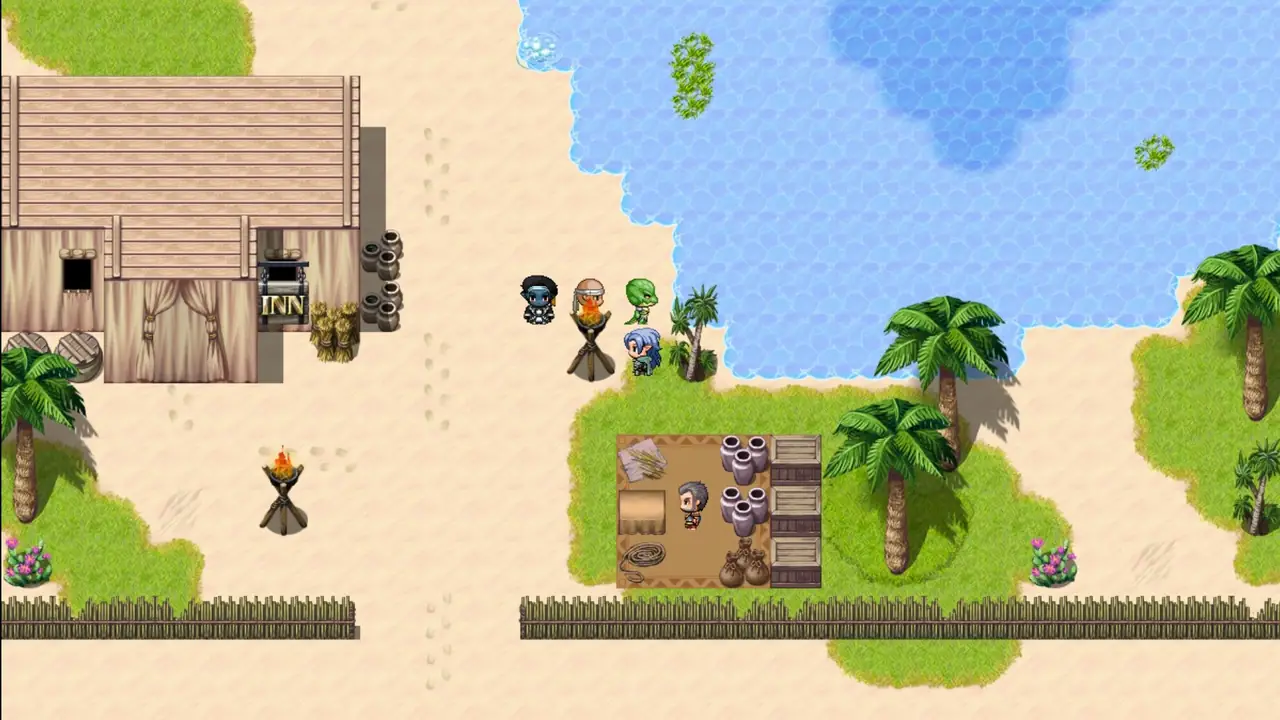
The hero slices along chains of same-colored creeps; long chains drop grindstones that let you switch colors mid-chain while dodging enemy attacks.
The difference worth noticing
Two Dots is pure puzzle collection; Grindstone turns the chain into a combat path with damage and risk.
Case notes are Yoroll editorial summaries; rules may change between versions.
04What could you combine?
Each traced cell reveals fog on a map, so players balance long chains against uncovering unexplored ground.
Prototype this combo in Yoroll→Follow the next idea
Drop the Cargo Down
The cargo can't be matched away; clear what's beneath it so it sinks to the exit.
- Prototype complexity
- Who plays
- Solo decisions
- 01Locate the cargo's column
- 02Clear pieces under it
- 03Cargo falls with gravity
- 04Reach the exit to collect
Fill a Line to Clear It
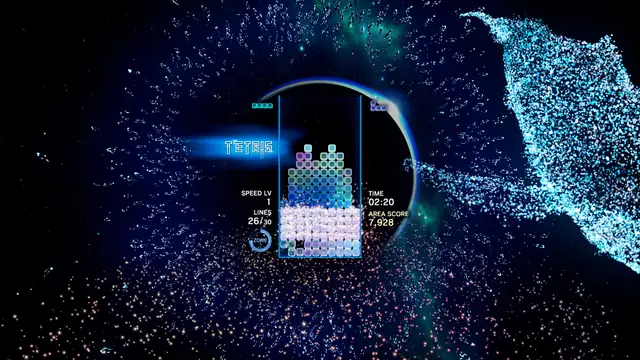
Space is the only resource: fill a line to reclaim it, or get crowded out.
- Prototype complexity
- Who plays
- Solo decisions
- 01Read current and next piece
- 02Choose where to place it
- 03Full lines clear space
- 04Shape the gaps for later
Gravity Cascades
One clear drops pieces from above into new matches, and the chain keeps going.
- Prototype complexity
- Who plays
- Solo decisions
- 01Predict what falls
- 02Clear low on the board
- 03Falling pieces chain
- 04Collect bonus value