
Companion Approval
Your companions watch every choice, and they keep score.
- Prototype complexity
- Who plays
- Solo decisions
- Design focus
- Narrative · Risk · Cooperation
 No.264Baldur’s Gate 3
01The core loop
Action → feedback → next choice- 01Face a choice
- 02Decide
- 03Companions approve or object
- 04Shifts reshape the party
↻Feedback changes the situation — the next round starts from there.
Walk through one round
A simplified design example. Situations and numbers illustrate the mechanic, not exact rules from a reference game.
- T1
Turn 1 · The situation
A villager stole your supplies. A wants mercy, B wants punishment; A is at 40 approval, B at -10.
- T2
Turn 2 · The player chooses
You make the villager work off the debt.
- T3
Turn 3 · The feedback
A approves slightly (+5), B disapproves a little (-3), with small corner notifications.
- T4
Turn 4 · The next decision
B nears the leaving threshold, so the next choice may need to lean his way.
How it plays
Each companion holds values and reacts to your words and deeds with approval or disapproval. High approval unlocks personal quests, romance or bonuses; low approval may make them leave or turn hostile. Their values often clash, so pleasing one can anger another.
What the player weighs
- Following your own path may cost a strong companion
- Pleasing the majority can make your role-play feel hollow
02Start small
Scope is an editorial estimate for the minimum prototype, not the reference game or a production schedule.
03One mechanic, different implementations
Baldur’s Gate 3
Companions approve or disapprove of choices; approval drives personal quests and romance, and very low approval can make them leave.
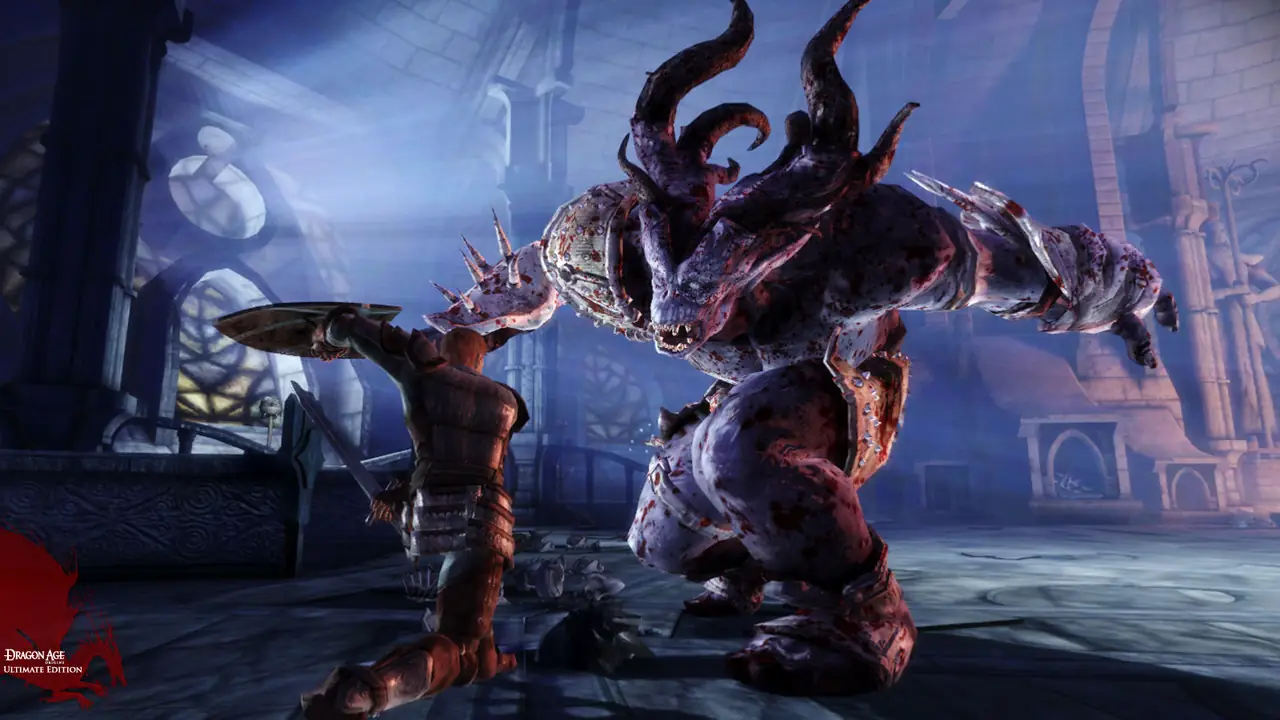
Dragon Age: Origins
Approval ranges from -100 to 100, shifted by dialogue, choices and gifts; high approval grants stat bonuses, and low approval risks departure or betrayal.
The difference worth noticing
Dragon Age: Origins lets gifts buy approval directly; Baldur's Gate 3 leans more on the choices themselves.
Case notes are Yoroll editorial summaries; rules may change between versions.
04What could you combine?
Link approval to cover tactics: trusted companions take risky flanking orders, distrustful ones stay behind cover.
Prototype this combo in Yoroll→Follow the next idea

Faction Reputation
Help one side, and the other side remembers.
- Prototype complexity
- Who plays
- Solo decisions
- 01Take a faction job
- 02Complete or betray
- 03Reputation shifts
- 04Gain or lose access

Dialogue Persuasion Checks
Whether a line lands depends on your skills—and a little luck.
- Prototype complexity
- Who plays
- Solo decisions
- 01A check option appears
- 02Assess the odds
- 03Roll or resolve
- 04The story branches
Committing to a Relationship
Friend to partner to spouse—each step needs a token you hand over yourself.
- Prototype complexity
- Who plays
- Solo decisions
- 01Reach an affinity tier
- 02Prepare a token
- 03Confess or propose
- 04Status rises, new content