
Dynastic Marriage
Marriage isn't romance here; it's a contract over land, heirs and alliances.
- Prototype complexity
- Who plays
- Solo decisions
- Design focus
- Planning · Narrative · Progression
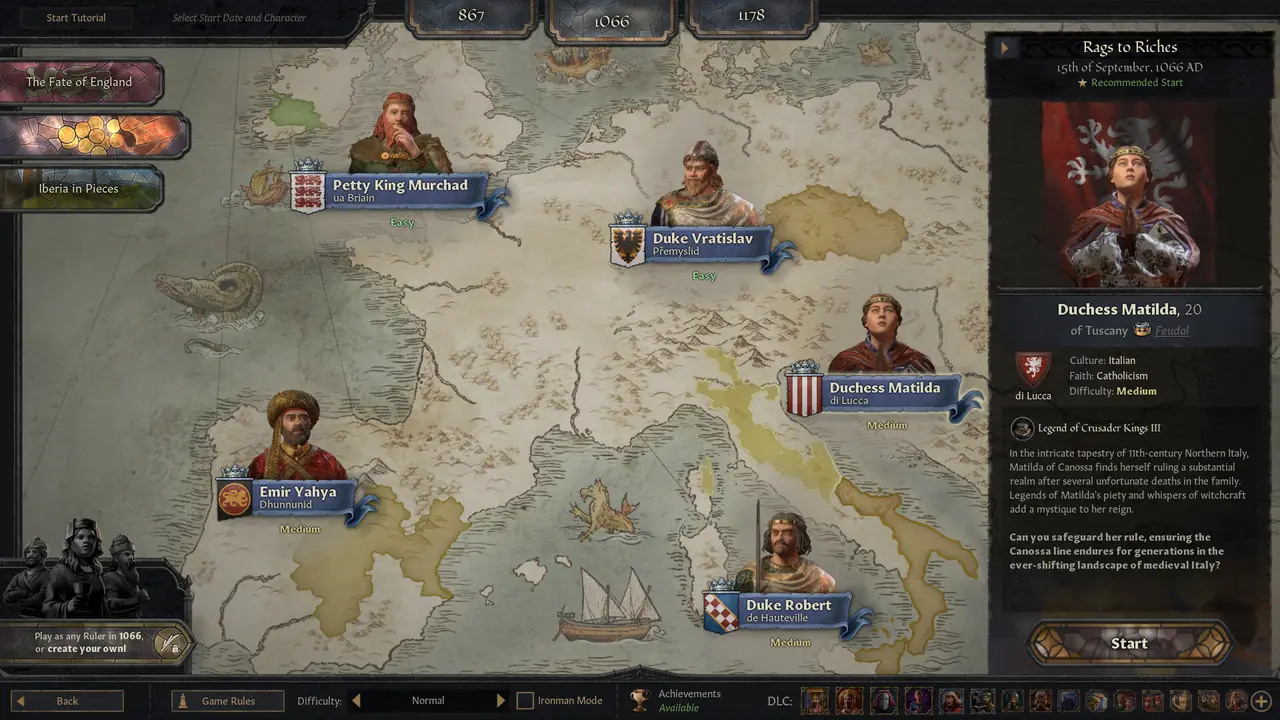 No.269Crusader Kings III
01The core loop
Action → feedback → next choice- 01Scout a match
- 02Negotiate the marriage
- 03Gain allies and heirs
- 04Inheritance reshapes the map
↻Feedback changes the situation — the next round starts from there.
Walk through one round
A simplified design example. Situations and numbers illustrate the mechanic, not exact rules from a reference game.
- T1
Turn 1 · The situation
Your heir can wed a neighboring princess (alliance, she has a claim) or a local noble's daughter (+5 learning, no politics).
- T2
Turn 2 · The player chooses
You choose the princess under patrilineal terms.
- T3
Turn 3 · The feedback
The realms ally; three years later the neighbor's king dies and your grandson gains a claim to the throne.
- T4
Turn 4 · The next decision
The neighbor's nobles reject the claim, so you prepare a succession war.
How it plays
Marriages forge alliances, improve relations, and may let heirs inherit the spouse's titles or lands. The spouse's traits shape children, and family standing determines whether a match is accepted. Marriages are hard to undo, and succession rules make early matches pay off generations later.
What the player weighs
- Marrying into power brings allies now but may hand them your lands later
- A talented spouse helps heirs but may bring no political gain
02Start small
Scope is an editorial estimate for the minimum prototype, not the reference game or a production schedule.
03One mechanic, different implementations
Crusader Kings III
Marriages create alliances, patrilineal or matrilineal terms decide the children's house, traits pass on, and inheritance can absorb other realms over time.
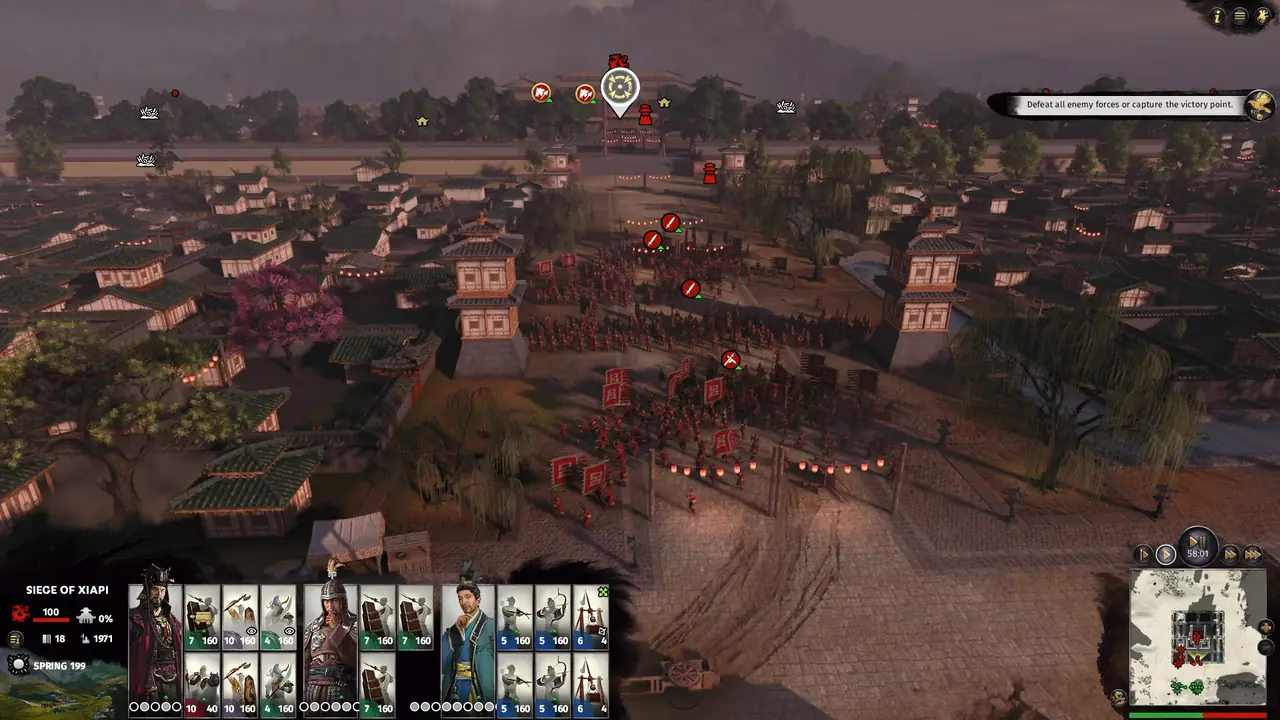
Total War: THREE KINGDOMS
Characters can marry members of other factions to improve diplomacy, with a family tree system that brings new family members (details hedged).
The difference worth noticing
Crusader Kings III makes lineage the core game; in THREE KINGDOMS marriage supports diplomacy and character management.
Case notes are Yoroll editorial summaries; rules may change between versions.
04What could you combine?
Marriages fold the spouse family's workshops into your production chain, so who you marry decides which goods you can make.
Prototype this combo in Yoroll→Follow the next idea
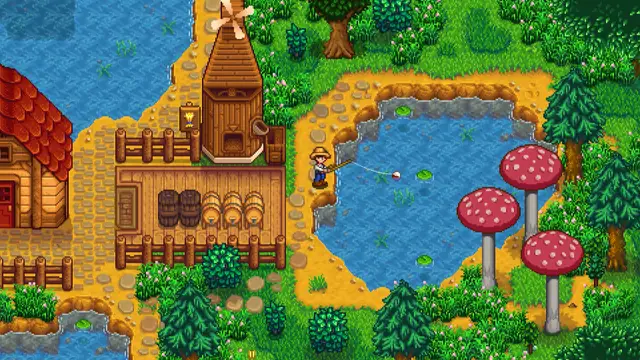
Bond-Gated Scenes
Each step closer reveals another chapter of someone's story.
- Prototype complexity
- Who plays
- Solo decisions
- 01Build bond points
- 02Hit a stage threshold
- 03Trigger a personal scene
- 04Gain rewards and new content
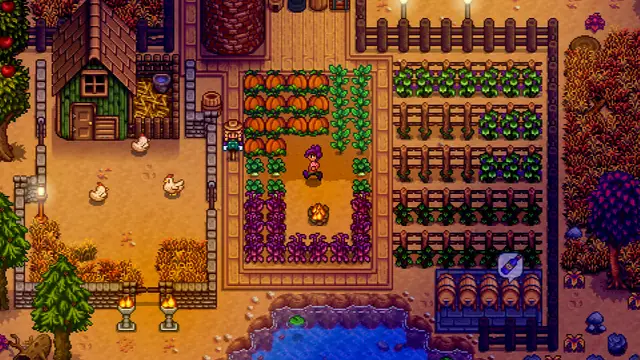
Daily Check-In Rhythm
Days are short, and who you stop to chat with is itself a choice.
- Prototype complexity
- Who plays
- Solo decisions
- 01Plan today's route
- 02Find and talk to people
- 03Earn small affinity
- 04Maintain or let it fade
Planning a Date Itinerary
Where you go and what you do decides how the date goes.
- Prototype complexity
- Who plays
- Solo decisions
- 01Send an invitation
- 02Pick places and activities
- 03Partner's mood shifts
- 04The date pays out affinity