
Place a Worker, Claim a Spot
Put a worker on an action space, and it’s yours for the round.
- Prototype complexity
- Who plays
- Competitive play
- Design focus
- Planning · Economy
 No.142Dune: Imperium
01The core loop
Action → feedback → next choice- 01Scan open action spaces
- 02Place a worker
- 03Resolve and block it
- 04Recall workers at round end
↻Feedback changes the situation — the next round starts from there.
Walk through one round
A simplified design example. Situations and numbers illustrate the mechanic, not exact rules from a reference game.
- T1
Turn 1 · The situation
You have 3 workers; the single ‘Recruit’ space is likely the rival’s next move, while ‘Gold’ has two openings.
- T2
Turn 2 · The player chooses
Place your first worker on Recruit.
- T3
Turn 3 · The feedback
The rival shifts to Gold, and your army gains 2.
- T4
Turn 4 · The next decision
Your remaining workers find only one Gold spot left.
How it plays
Players have few workers and take turns placing them on action spaces for resources or effects; occupied spaces are closed to others. You always want more than you have workers for, so each placement forgoes something. Worker positions on the board are the clearest feedback.
What the player weighs
- Grab hot spots vs do what others ignore
- More workers vs stronger actions
02Start small
Scope is an editorial estimate for the minimum prototype, not the reference game or a production schedule.
03One mechanic, different implementations
Dune: Imperium
You play cards to send agents to board spaces, with icons limiting where they can go; most spaces block others once taken, blending with deckbuilding.
D&D Lords of Waterdeep
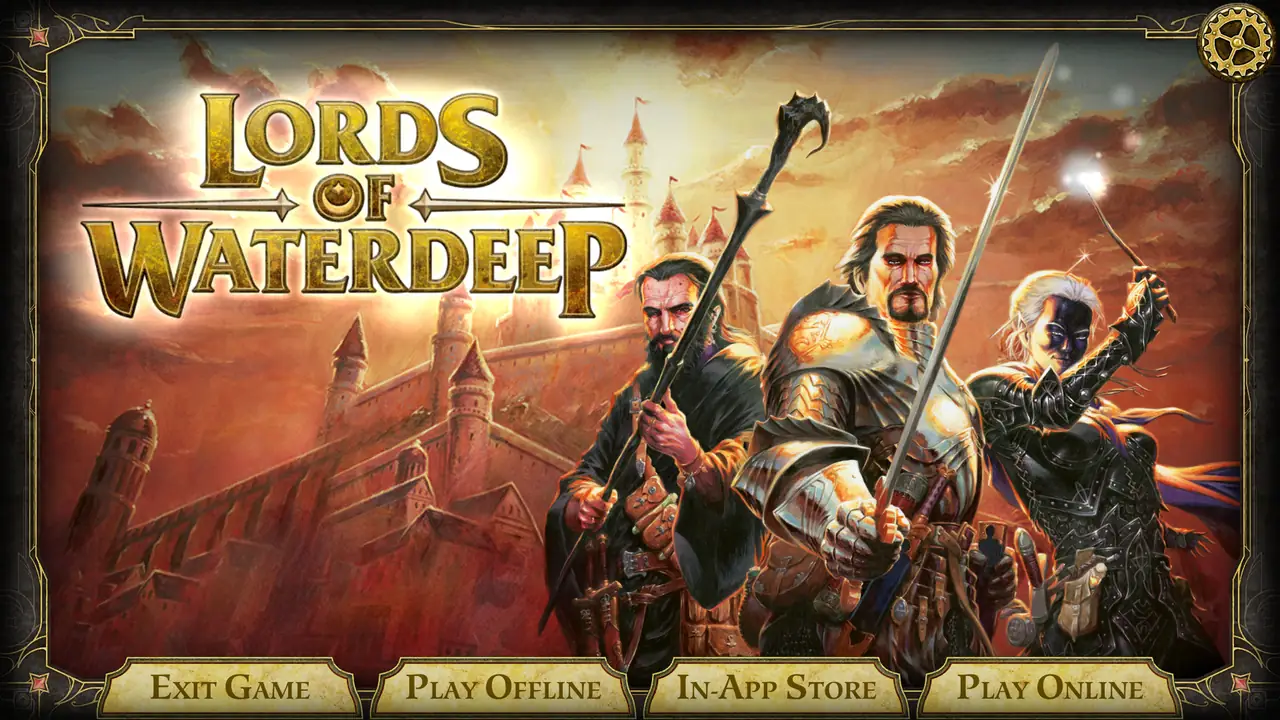
Agents visit Waterdeep buildings to gather adventurers for quests, and newly built buildings add spaces that reward their owner when others use them.
The difference worth noticing
Dune: Imperium uses cards to restrict placement; Lords of Waterdeep lets players expand the action spaces by building.
Case notes are Yoroll editorial summaries; rules may change between versions.
04What could you combine?
Action spaces are built in sequence, upper ones locked until lower ones exist, so players decide whether to lay foundations or wait to exploit others’.
Prototype this combo in Yoroll→Follow the next idea

Win the Area by Numbers
Whoever has the most presence in an area controls it.
- Prototype complexity
- Who plays
- Competitive play
- 01Commit units to an area
- 02Compare presence
- 03The majority takes control
- 04Control pays out

Pick a Phase Everyone Uses
The phase you choose runs for everyone, but only you get the bonus.
- Prototype complexity
- Who plays
- Competitive play
- 01Secretly choose a phase
- 02Reveal together
- 03Everyone runs chosen phases
- 04Choosers get a bonus
Race for the Shared Goal
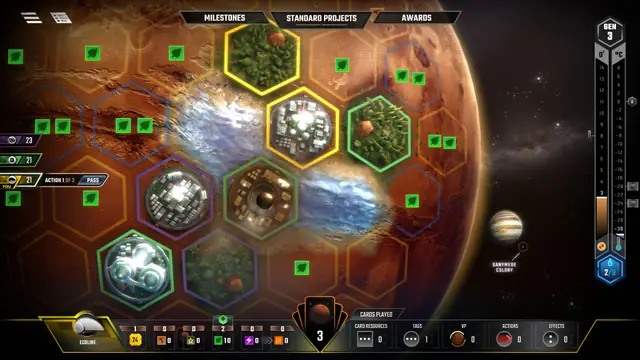
The goal is visible to all, but only the first to reach it gets paid.
- Prototype complexity
- Who plays
- Competitive play
- 01Reveal goals and rewards
- 02Gauge your distance
- 03Sprint or abandon
- 04First to finish claims it