
Reshaping the Land
The ground is no longer a backdrop; digging, filling and leveling become part of building.
- Prototype complexity
- Who plays
- Solo decisions
- Design focus
- Spatial · Creativity · Planning
 No.013Valheim
01The core loop
Action → feedback → next choice- 01Read the terrain
- 02Dig down or raise up
- 03Build on the new ground
- 04Handle the side effects
↻Feedback changes the situation — the next round starts from there.
Walk through one round
A simplified design example. Situations and numbers illustrate the mechanic, not exact rules from a reference game.
- T1
Turn 1 · The situation
Planning a 6×6 farm on a slope with 2 m of drop.
- T2
Turn 2 · The player chooses
Move soil from high to low for 20 minutes to level it.
- T3
Turn 3 · The feedback
The site is flat, but the dug-out crest leaves a pit that collects water.
- T4
Turn 4 · The next decision
Turn the pit into a reservoir to water the farm.
How it plays
Players spend tool durability, material or time to raise, lower and level ground. Changes affect water flow, pathing and build zones, and can accidentally wreck existing layouts.
What the player weighs
- Level the site or build around it
- Dig defensive trenches or keep access easy
02Start small
Scope is an editorial estimate for the minimum prototype, not the reference game or a production schedule.
03One mechanic, different implementations
Valheim
The hoe levels or raises ground and the pickaxe lowers it within height limits, commonly used for foundations and moats.
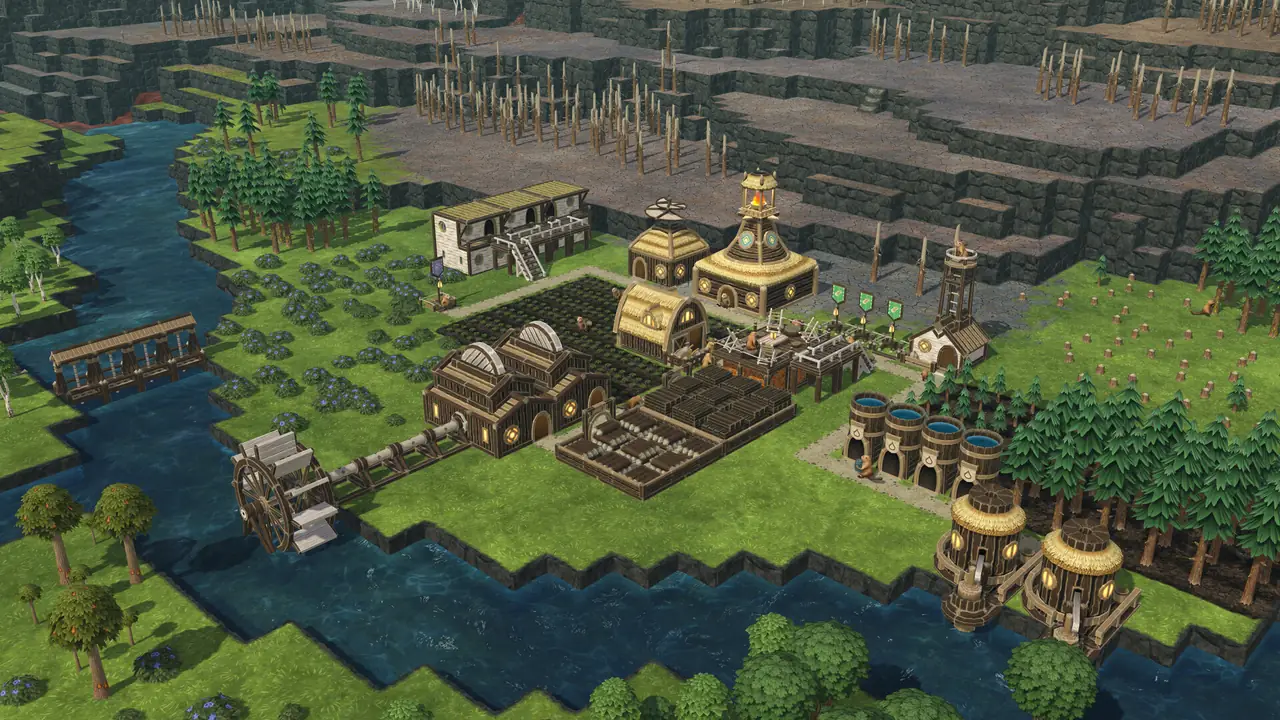
Timberborn
As I understand it, later updates added dynamite to dig down and buildable dirt to raise terrain, used to reshape rivers and reservoirs.
The difference worth noticing
Valheim's terraforming serves personal building aesthetics; Timberborn's mainly serves water engineering.
Case notes are Yoroll editorial summaries; rules may change between versions.
04What could you combine?
Crops need matching soil, and digging reveals sand or clay underneath, so dig depth decides what you can plant.
Prototype this combo in Yoroll→Follow the next idea
Roads and Entrances
A building isn't open until a road reaches its door.
- Prototype complexity
- Who plays
- Solo decisions
- 01Plan a building spot
- 02Connect a road
- 03Check flow and jams
- 04Reroute or widen
Snap-Together Building
Pieces snap into place so players think about what to build, not pixel alignment.
- Prototype complexity
- Who plays
- Solo decisions
- 01Pick a piece
- 02Bring it to a snap point
- 03Confirm placement
- 04Continue from the new edge
What Counts as a Room
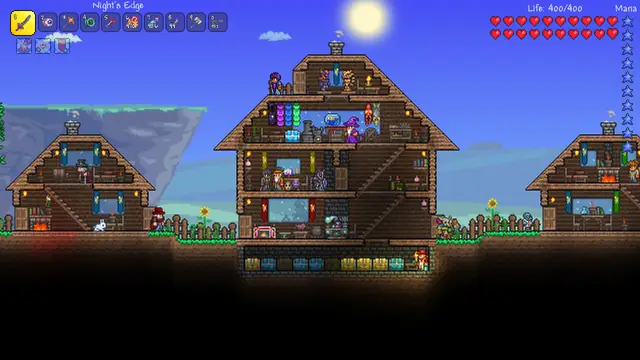
Four walls are not always a room; meet the rules and it starts working.
- Prototype complexity
- Who plays
- Solo decisions
- 01Enclose a space
- 02Add required furniture
- 03The game checks the room
- 04Gain a function or resident