
Tactical Pause
The fight runs in real time, but you can freeze it anytime to think and issue orders.
- Prototype complexity
- Who plays
- Solo decisions
- Design focus
- Planning · Information · Time
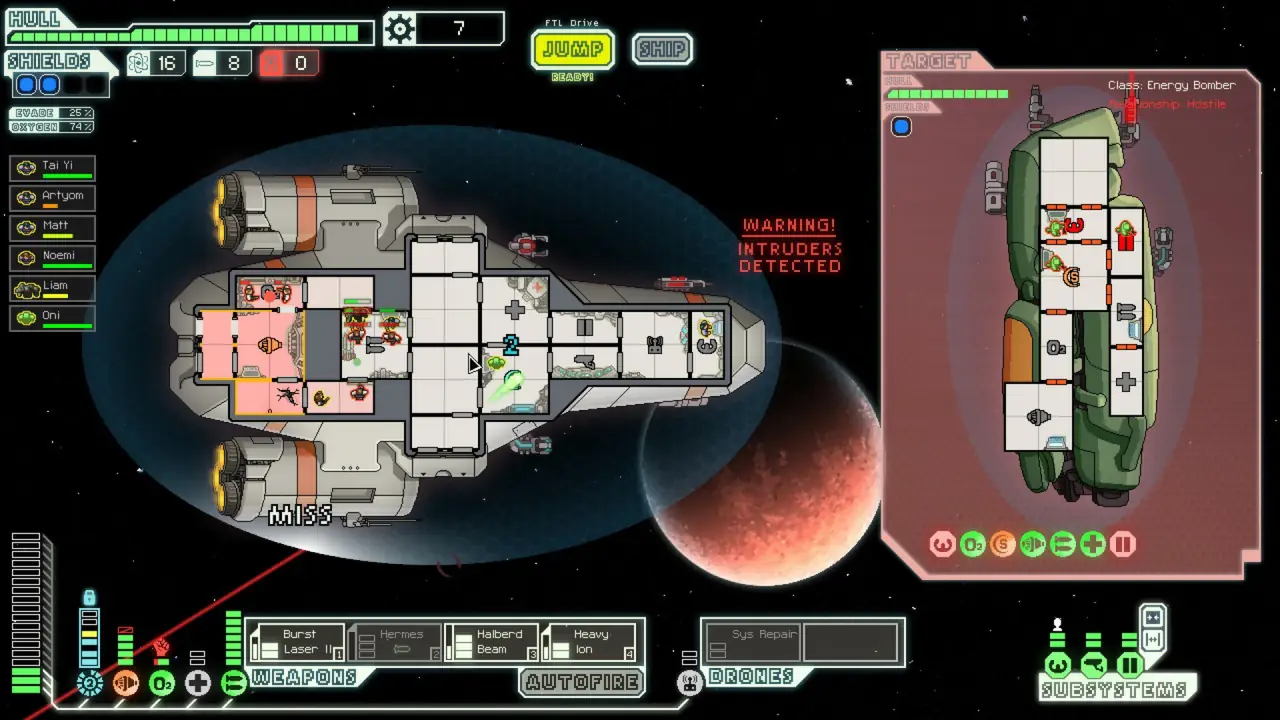 No.138FTL: Faster Than Light
01The core loop
Action → feedback → next choice- 01Watch in real time
- 02Pause to assess
- 03Queue several orders
- 04Resume and watch
↻Feedback changes the situation — the next round starts from there.
Walk through one round
A simplified design example. Situations and numbers illustrate the mechanic, not exact rules from a reference game.
- T1
Turn 1 · The situation
An enemy missile is about to hit; you have 4 power to split between shields and weapons.
- T2
Turn 2 · The player chooses
The player pauses, moves 1 power from weapons to shields and sends a crew member to fix engines.
- T3
Turn 3 · The feedback
After resuming, the extra shield layer absorbs the missile, but weapon charge slows.
- T4
Turn 4 · The next decision
With engines repaired and evasion back up, the player pauses again to shift power to weapons.
How it plays
Combat flows continuously, but players can pause to switch units, pick abilities and set targets before resuming. It blends real-time tension with turn-based thinking room, and the skill lies in knowing when to pause.
What the player weighs
- Frequent pauses for precision vs. flow and immersion
- Micromanage each unit vs. trust automated behavior
02Start small
Scope is an editorial estimate for the minimum prototype, not the reference game or a production schedule.
03One mechanic, different implementations
FTL: Faster Than Light
You can pause anytime to allocate reactor power, target enemy rooms and send crew to fight fires or repair; most key decisions happen while paused.
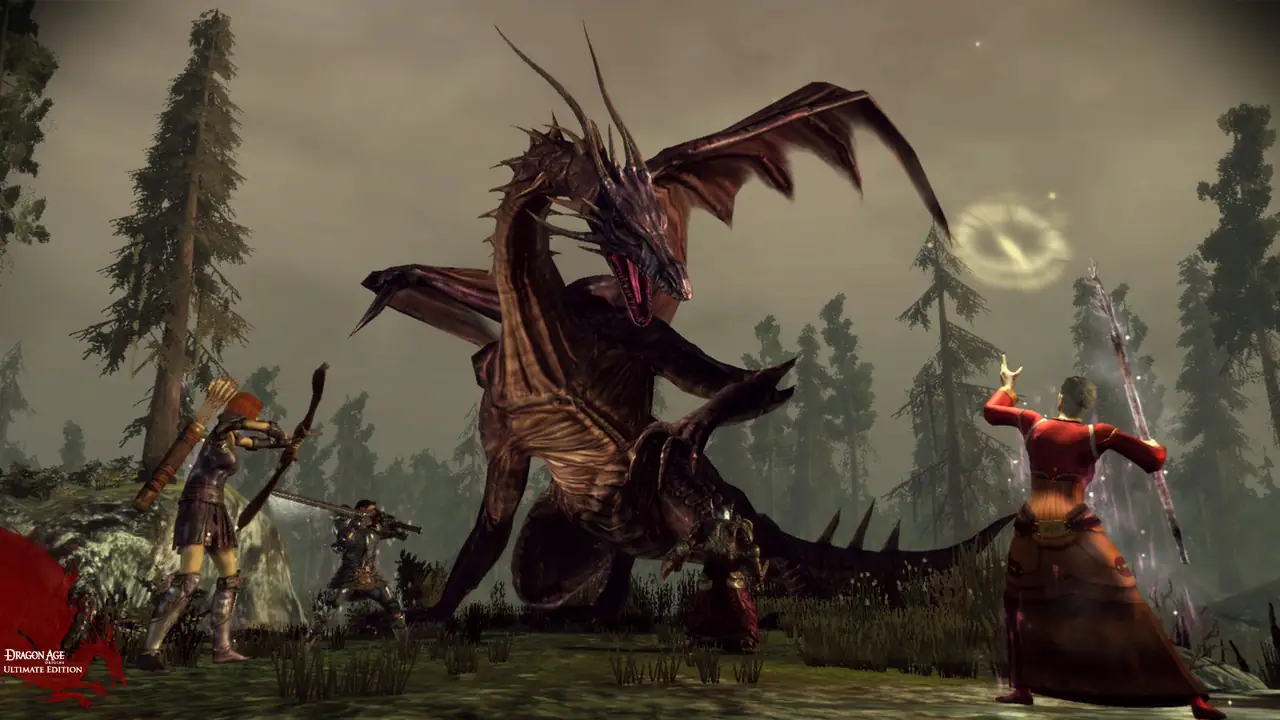
Dragon Age: Origins
Party combat can be paused to issue ability orders per companion, and a tactics system lets companions act on conditions to reduce pausing.
The difference worth noticing
FTL's pauses manage ship systems and resources; Dragon Age's focus on sequencing party abilities.
Case notes are Yoroll editorial summaries; rules may change between versions.
04What could you combine?
Combine with power balancing: pausing lets you reroute power, but each pause drains reserve power, so thinking isn't free.
Prototype this combo in Yoroll→Follow the next idea
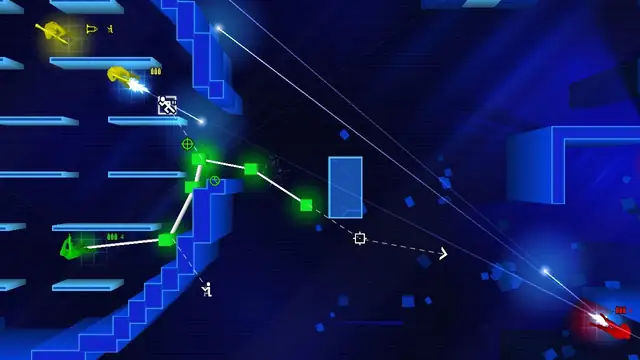
Simultaneous Planned Orders
Both sides plan in secret, then watch the moves play out together.
- Prototype complexity
- Who plays
- Solo decisions
- 01Predict the opponent
- 02Plot orders on a timeline
- 03Both sides execute
- 04Review and replan
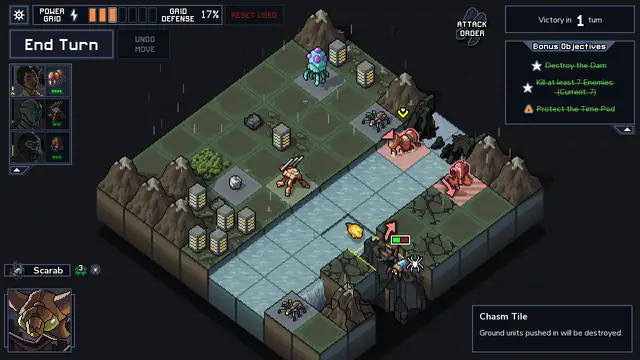
Telegraphed Enemy Intent
Enemies show their next move in advance, turning your turn into a puzzle.
- Prototype complexity
- Who plays
- Solo decisions
- 01Read the enemy's intent
- 02Weigh threats and gains
- 03Disrupt or avoid it
- 04Enemies act as shown
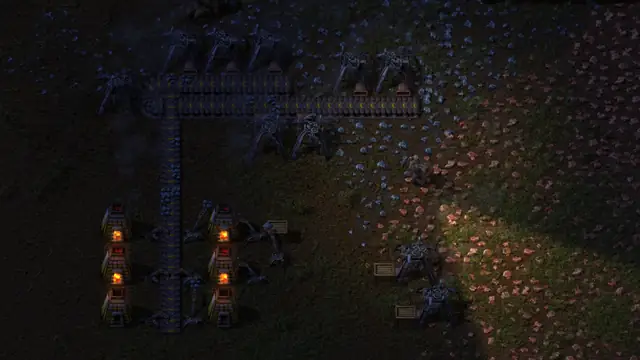
Item-Filtered Transport
A mixed item stream needs filter rules to send each thing to the right place.
- Prototype complexity
- Who plays
- Solo decisions
- 01Spot a mixed stream
- 02Set filter rules
- 03Items sort into routes
- 04Handle overflow and strays