
Simultaneous Planned Orders
Both sides plan in secret, then watch the moves play out together.
- Prototype complexity
- Who plays
- Solo decisions
- Design focus
- Planning · Time · Information
 No.137Frozen Synapse
01The core loop
Action → feedback → next choice- 01Predict the opponent
- 02Plot orders on a timeline
- 03Both sides execute
- 04Review and replan
↻Feedback changes the situation — the next round starts from there.
Walk through one round
A simplified design example. Situations and numbers illustrate the mechanic, not exact rules from a reference game.
- T1
Turn 1 · The situation
5-second turn; your rifleman is by a door, and the enemy may appear at the left or right window.
- T2
Turn 2 · The player chooses
The player aims him at the left window for 2 seconds, then turns right.
- T3
Turn 3 · The feedback
On playback the enemy appears at the right window at 3 s, just as the rifleman turns and fires first.
- T4
Turn 4 · The next decision
The opponent will be warier next round, and the player starts guessing their new route.
How it plays
Each round lasts a fixed duration; while paused, players set paths, facing and attack timing per unit, then both sides' orders run at once. Without seeing the other plan, you must guess where the enemy will move and stop. Some games show predicted enemy actions or let you simulate.
What the player weighs
- Hold position and wait vs. push to seize initiative
- Trust the forecast vs. leave margin for surprises
02Start small
Scope is an editorial estimate for the minimum prototype, not the reference game or a production schedule.
03One mechanic, different implementations
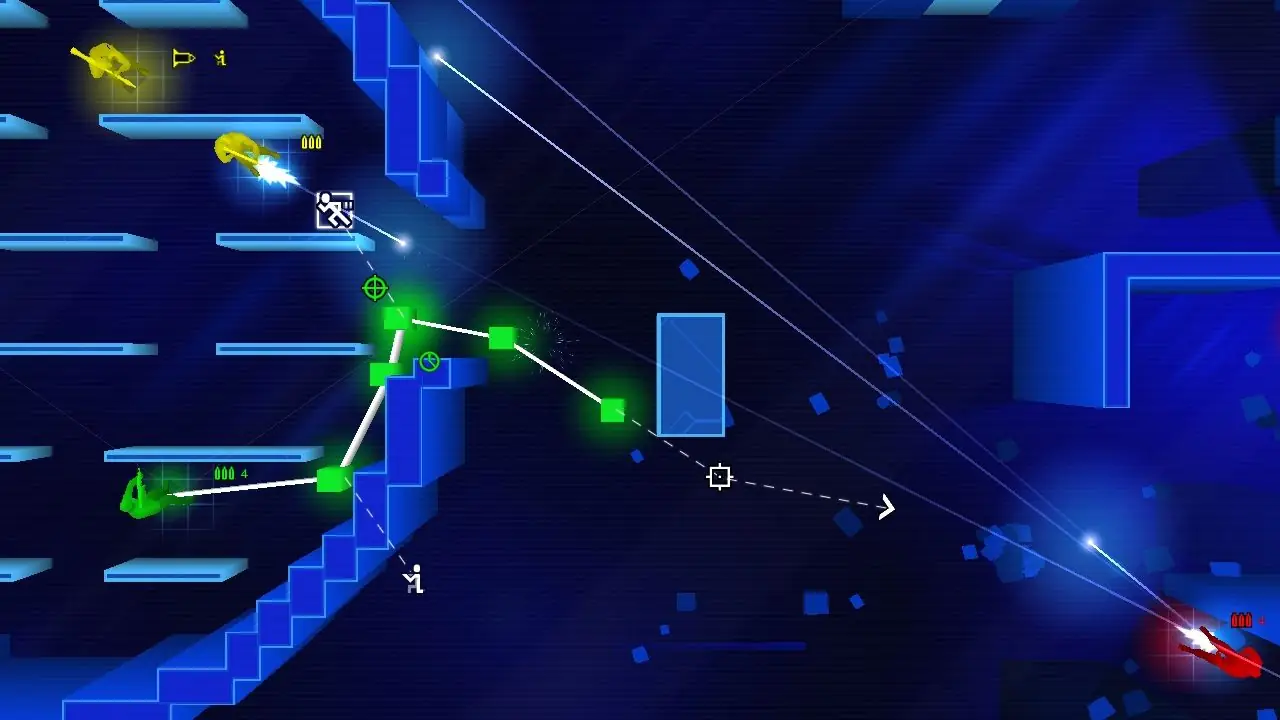
Frozen Synapse
Both players plan roughly 5-second turns at once and can place hypothetical enemies to simulate outcomes before execution, creating heavy mind games.
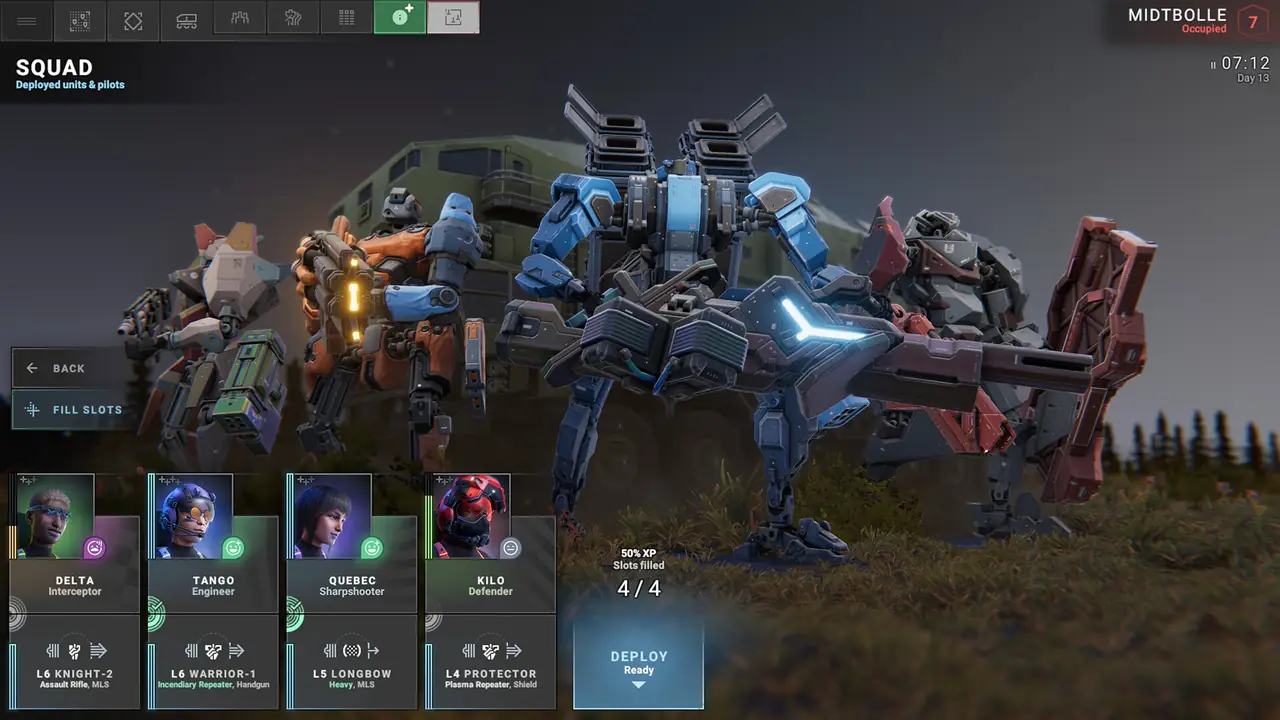
Phantom Brigade
A single-player game that shows predicted enemy mech actions for the next few seconds, while you arrange moves and attacks on a timeline.
The difference worth noticing
Frozen Synapse is about reading a human mind; Phantom Brigade reveals predictions and becomes a timeline scheduling puzzle.
Case notes are Yoroll editorial summaries; rules may change between versions.
04What could you combine?
Let players rewind playback to any second and change one unit's order, but only twice per match.
Prototype this combo in Yoroll→Follow the next idea
Tactical Pause
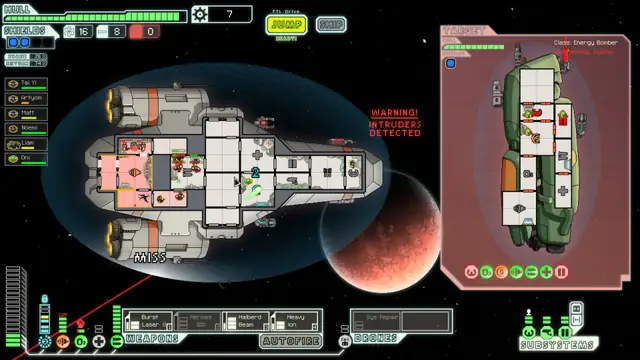
The fight runs in real time, but you can freeze it anytime to think and issue orders.
- Prototype complexity
- Who plays
- Solo decisions
- 01Watch in real time
- 02Pause to assess
- 03Queue several orders
- 04Resume and watch
Telegraphed Enemy Intent
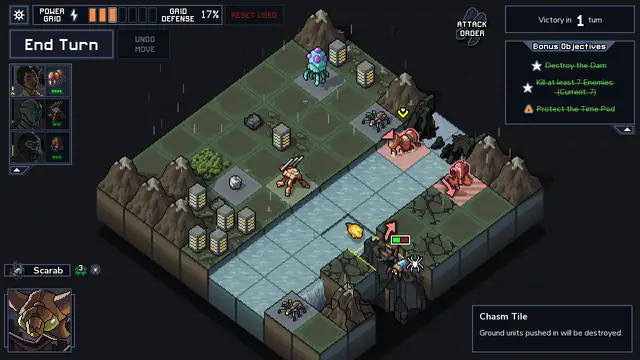
Enemies show their next move in advance, turning your turn into a puzzle.
- Prototype complexity
- Who plays
- Solo decisions
- 01Read the enemy's intent
- 02Weigh threats and gains
- 03Disrupt or avoid it
- 04Enemies act as shown

Action Point Budget
Each unit gets a few actions per turn; moving and shooting come from the same pocket.
- Prototype complexity
- Who plays
- Solo decisions
- 01Check remaining actions
- 02Choose move or attack
- 03Spend and resolve
- 04Plan the next unit