
Find the Right Price
Not sure what it’s worth? Set a price and read the customer’s face.
- Prototype complexity
- Who plays
- Solo decisions
- Design focus
- Economy · Information · Risk
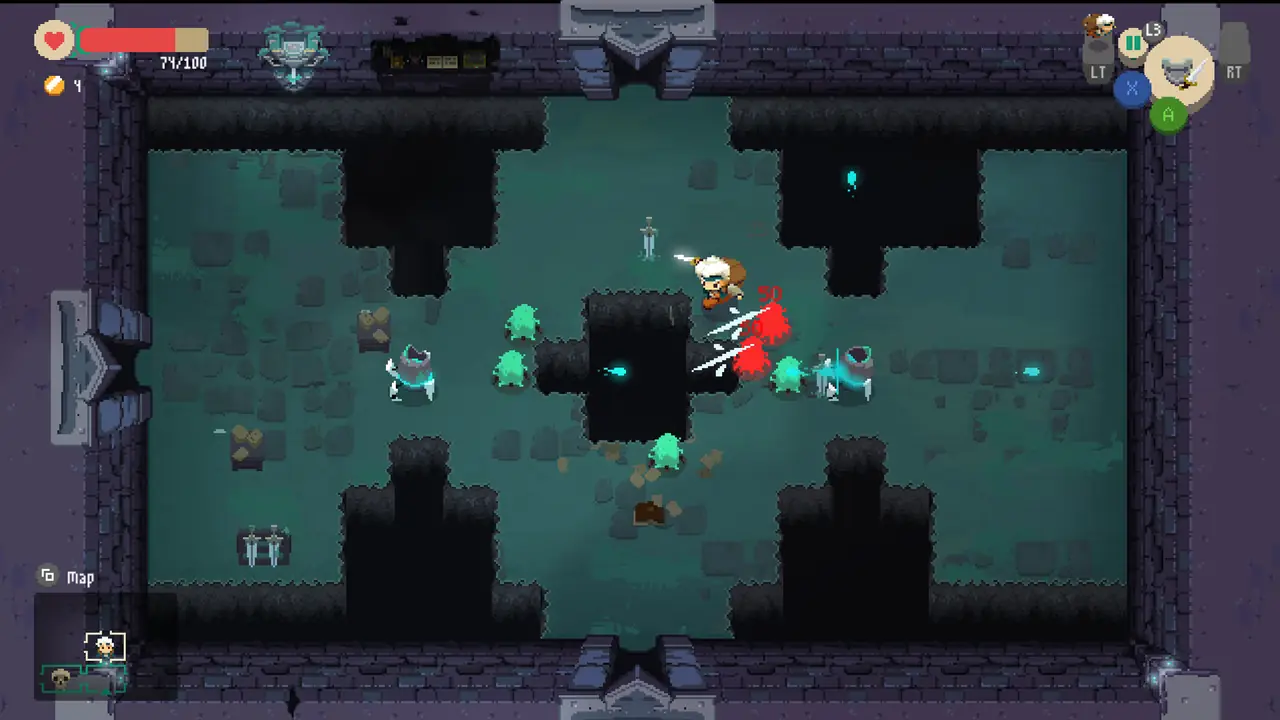 No.271Moonlighter
01The core loop
Action → feedback → next choice- 01Tag a price
- 02Watch the reaction
- 03Note the range
- 04Adjust next time
↻Feedback changes the situation — the next round starts from there.
Walk through one round
A simplified design example. Situations and numbers illustrate the mechanic, not exact rules from a reference game.
- T1
Turn 1 · The situation
A new crystal is worth somewhere between 200 and 600.
- T2
Turn 2 · The player chooses
List it at 400 as a probe.
- T3
Turn 3 · The feedback
The customer beams and buys at once, so the price was low.
- T4
Turn 4 · The next decision
The next crystal goes up at 480 to find the ‘content’ band.
How it plays
Item values are hidden; you infer them from reactions—delight when cheap, contentment near fair, anger or refusal when high. Each reaction narrows the range toward the best price. Emote bubbles and sales are the core feedback.
What the player weighs
- Probe high vs sell reliably
- Spend time testing vs move volume at a safe price
02Start small
Scope is an editorial estimate for the minimum prototype, not the reference game or a production schedule.
03One mechanic, different implementations
Moonlighter
By day you price dungeon loot; customer expressions show if you’re high or low, a ledger records known ranges, and demand shifts as you sell.

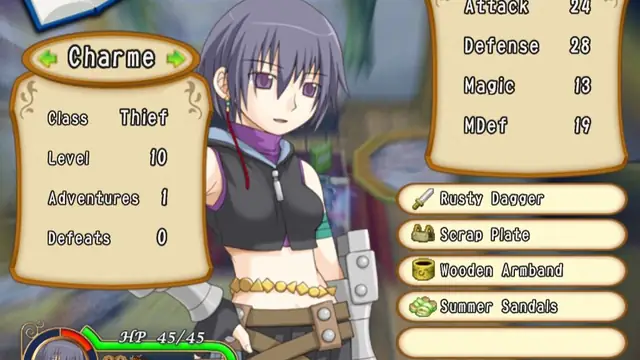
Recettear: An Item Shop’s Tale
You quote as a percentage of base price; different customers tolerate different markups, and you learn their limits through haggling outcomes.
The difference worth noticing
Moonlighter has you discover item value; Recettear has you discover each customer’s tolerance.
Case notes are Yoroll editorial summaries; rules may change between versions.
04What could you combine?
Ore values vary hidden by mining depth; players test-sell samples from each layer to deduce which depth is worth digging.
Prototype this combo in Yoroll→Follow the next idea

Know Your Max Bid
Holding your limit while others raise the bid is the hardest auction lesson.
- Prototype complexity
- Who plays
- Solo decisions
- 01Appraise the lot
- 02Set a personal cap
- 03Raise or drop out
- 04Win it or let it go
Debt on the Clock
A big debt and recurring due dates make every purchase feel tense.
- Prototype complexity
- Who plays
- Solo decisions
- 01Earn income
- 02Pay fixed costs
- 03Save for the due date
- 04Repay or reinvest

Supply-Driven Prices
Flood the market and prices fall; every sale moves the market.
- Prototype complexity
- Who plays
- Solo decisions
- 01Produce or stockpile
- 02Watch the price curve
- 03Sell at the right moment
- 04Your sale moves the price