
Staged Prep and Assembly
A dish breaks into chop, cook and plate steps, and their order decides how fast it ships.
- Prototype complexity
- Who plays
- Solo decisions
- Design focus
- Planning · Optimization · Cooperation
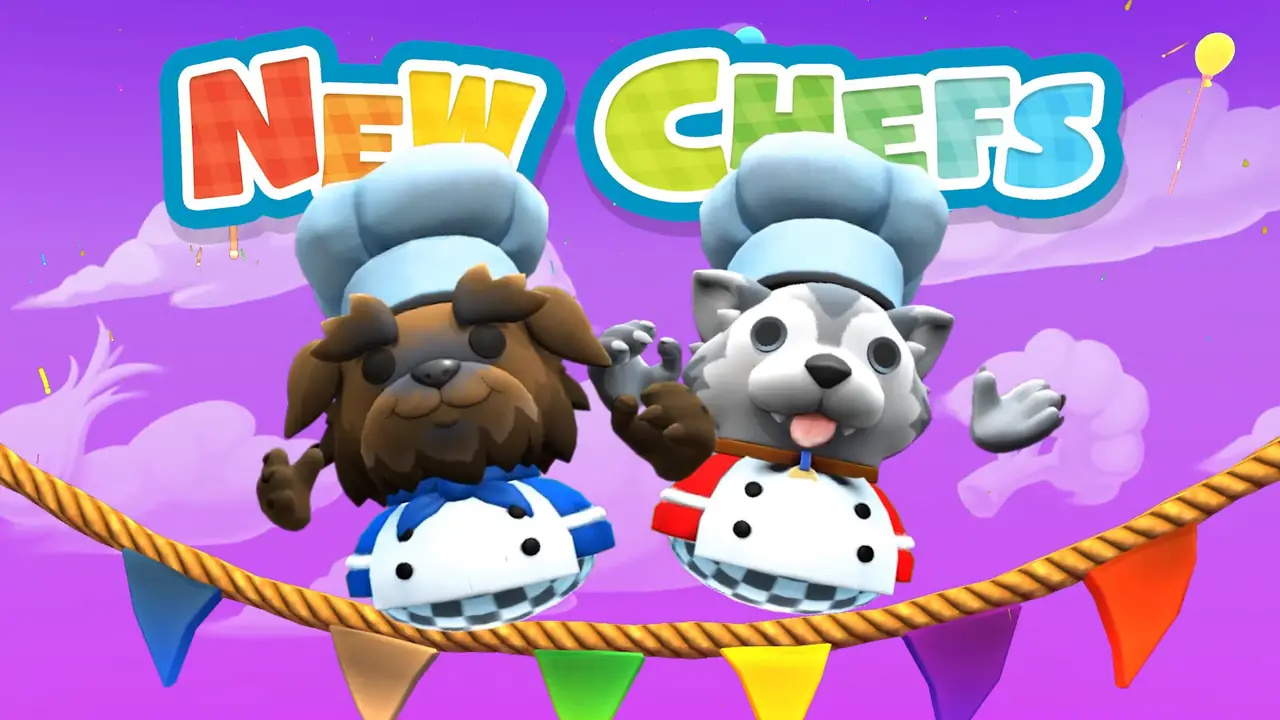 No.044Overcooked! 2
01The core loop
Action → feedback → next choice- 01Break the order into steps
- 02Process ingredients in parallel
- 03Assemble the dish
- 04Serve and start next
↻Feedback changes the situation — the next round starts from there.
Walk through one round
A simplified design example. Situations and numbers illustrate the mechanic, not exact rules from a reference game.
- T1
Turn 1 · The situation
A burger needs lettuce chopped (5 s), a patty fried (12 s), and a bun; one player works alone.
- T2
Turn 2 · The player chooses
They put the patty on first, chop lettuce while it cooks, then assemble.
- T3
Turn 3 · The feedback
The dish takes about 15 s; chopping first would take 17 or more.
- T4
Turn 4 · The next decision
Next comes two burgers and fries with too few pans, so they start pre-chopping lettuce.
How it plays
Each dish is a small dependency tree: raw ingredients get chopped or cooked, then the pieces combine on a plate. Players sequence steps and run some in parallel to avoid idle hands. Visual changes on prepped items and icons on the plate show progress at a glance.
What the player weighs
- Prep many components ahead, or make each order fresh to avoid waste.
- One person makes a dish start to finish, or split it into a line.
02Start small
Scope is an editorial estimate for the minimum prototype, not the reference game or a production schedule.
03One mechanic, different implementations
Overcooked! 2
Dishes pass through chopping, cooking and plating, and kitchens deliberately scatter stations so players keep coordinating the order.
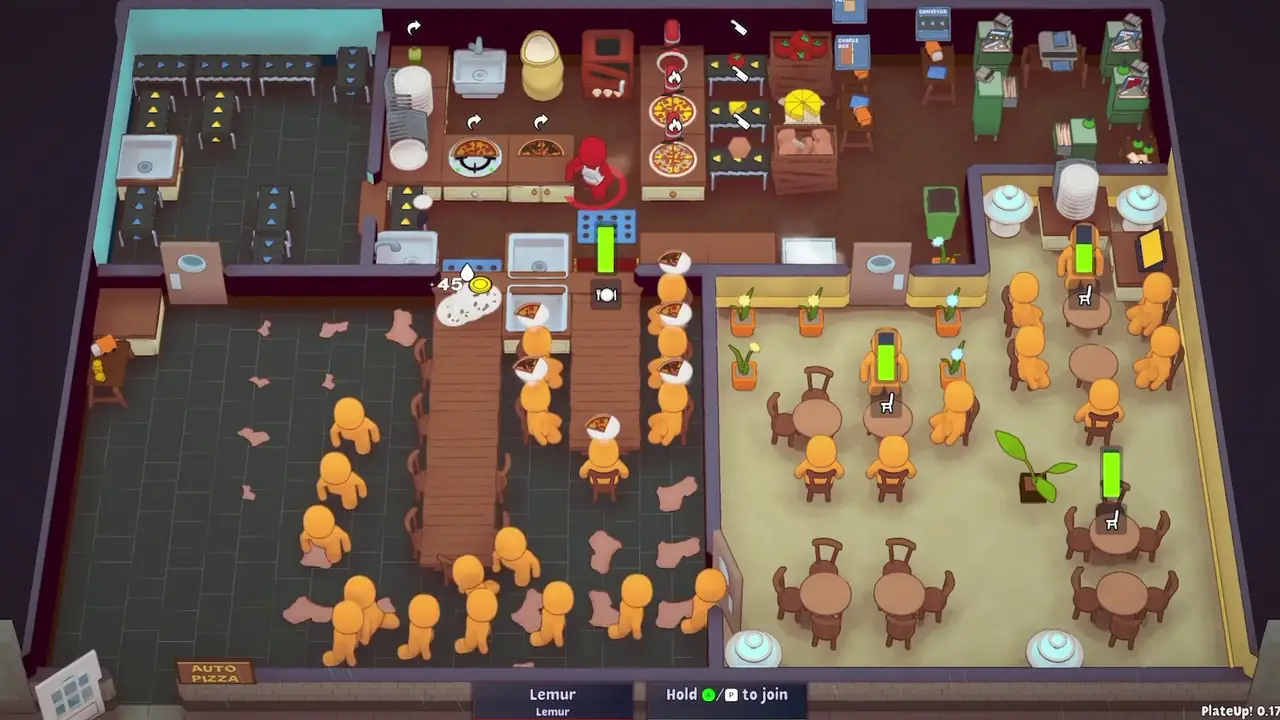
PlateUp!
Dishes also need multi-step prep, but players rearrange the kitchen between days and gradually automate steps with appliances.
The difference worth noticing
Overcooked! 2 fixes the chain in the level layout to test live coordination; PlateUp! lets players redesign it to test long-term planning.
Case notes are Yoroll editorial summaries; rules may change between versions.
04What could you combine?
When taking timed delivery contracts, players decide which components to pre-make and hold warm versus cook fresh to beat the deadline.
Prototype this combo in Yoroll→Follow the next idea
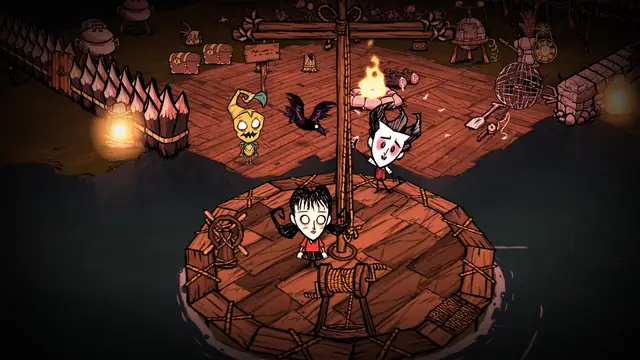
Ingredient Substitution
The recipe wants ‘some meat’, not one specific cut, so you cook with what's on hand.
- Prototype complexity
- Who plays
- Solo decisions
- 01Check category requirements
- 02Count what's on hand
- 03Pick the cheapest substitute
- 04Get the dish and its variance

Meal Buff Loadouts
What you eat before heading out decides how much you can take and how far you can go.
- Prototype complexity
- Who plays
- Solo decisions
- 01Assess the next outing
- 02Pick a meal combo
- 03Head out buffed
- 04Return before buffs fade
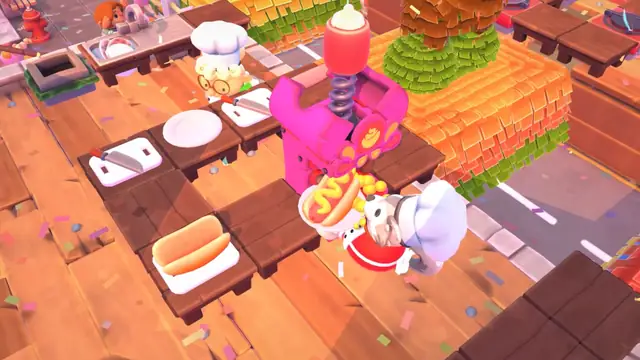
Kitchen Station Handoffs
Each player holds a station and passes food on, turning the kitchen into a human conveyor.
- Prototype complexity
- Who plays
- Co-op play
- 01Claim a station
- 02Process your step
- 03Hand off to the next
- 04Rebalance at bottlenecks