
Allies Until They Aren’t
Fight side by side today, race for the same loot tomorrow; trust is a chip you can cash.
- Prototype complexity
- Who plays
- Competitive play
- Design focus
- Cooperation · Risk · Economy
 No.081Armello
01The core loop
Action → feedback → next choice- 01Face a shared threat
- 02Negotiate roles and loot
- 03Cooperate or betray
- 04Score individually
↻Feedback changes the situation — the next round starts from there.
Walk through one round
A simplified design example. Situations and numbers illustrate the mechanic, not exact rules from a reference game.
- T1
Turn 1 · The situation
Four players enter a vault; the boss needs at least two to beat and drops a 300-gold relic.
- T2
Turn 2 · The player chooses
You and B agree to split, then you grab the relic after the kill.
- T3
Turn 3 · The feedback
You lead by 100, but B refuses to work with you and allies against you.
- T4
Turn 4 · The next decision
At the next two-person trap you must pay C a bigger cut.
How it plays
Players must cooperate at times to beat strong foes or obstacles, but winning is individual. Splitting loot and deciding who takes risks spark negotiation, and betrayal pays big but burns trust. Loot ownership, personal scores and others’ attitudes give feedback.
What the player weighs
- Keep faith for long-term help vs betray for a one-time gain
- Help the trailing player vs suppress the leader
02Start small
Scope is an editorial estimate for the minimum prototype, not the reference game or a production schedule.
03One mechanic, different implementations
Armello
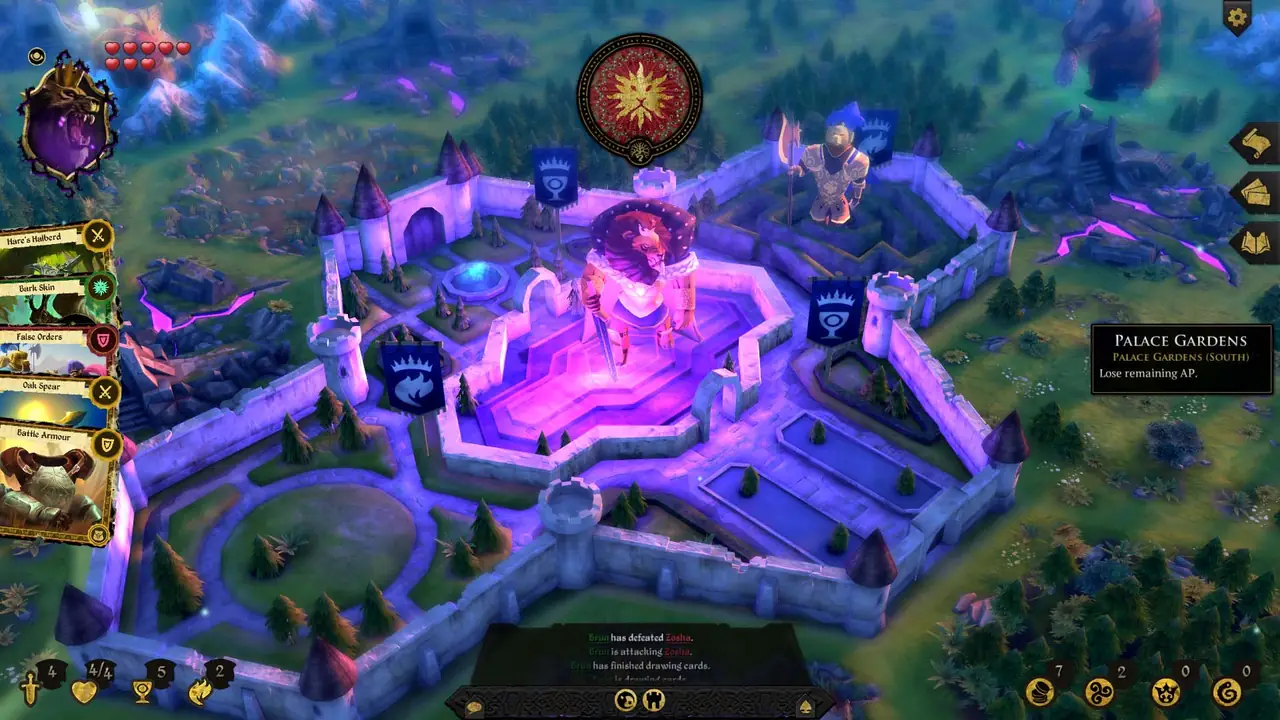
Players vie for the throne with no formal alliance system, yet often tacitly gang up on the leader or the corrupted King before turning on each other (varies by match).
Journey of Greed
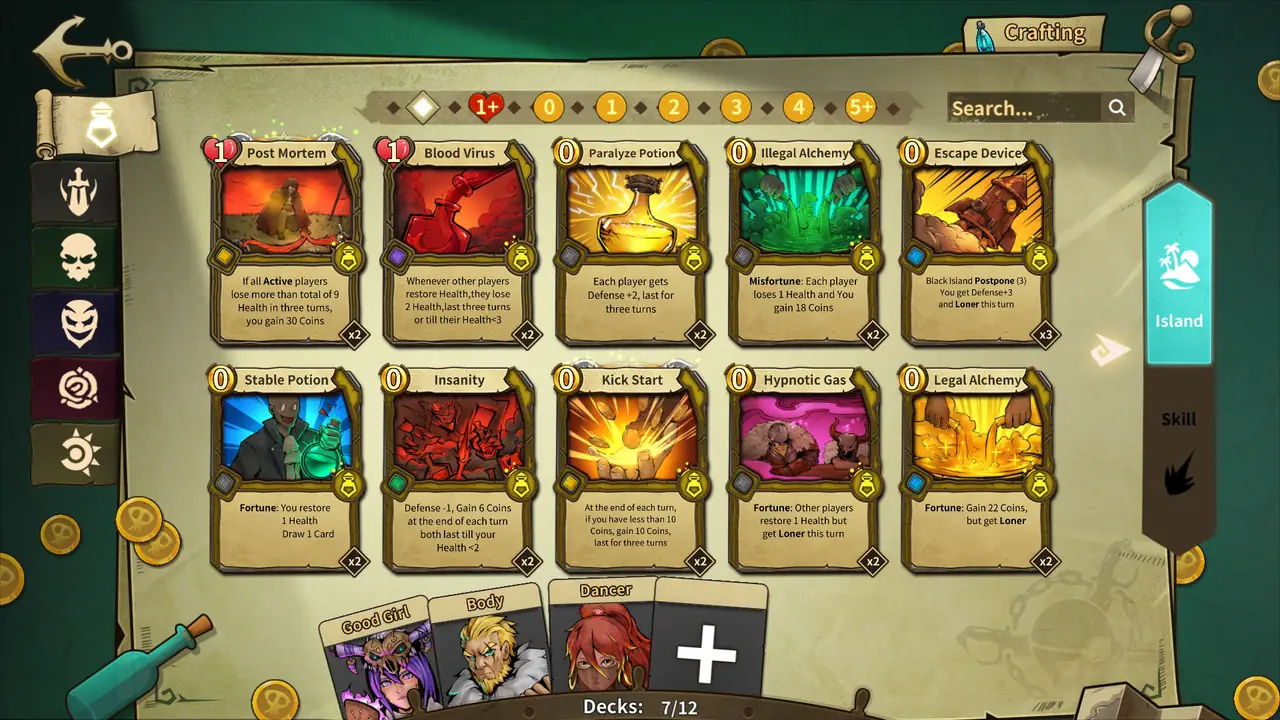
Several players delve a dungeon and must support each other in fights, but loot and ranking are individual, making betrayal a real option (details may vary).
The difference worth noticing
Armello’s cooperation is tacit; Journey of Greed builds the need to cooperate into its combat structure.
Case notes are Yoroll editorial summaries; rules may change between versions.
04What could you combine?
Allies take a timed delivery together and only get paid on time, but either can divert the cargo to a higher bidder en route.
Prototype this combo in Yoroll→Follow the next idea
Pick Them Back Up
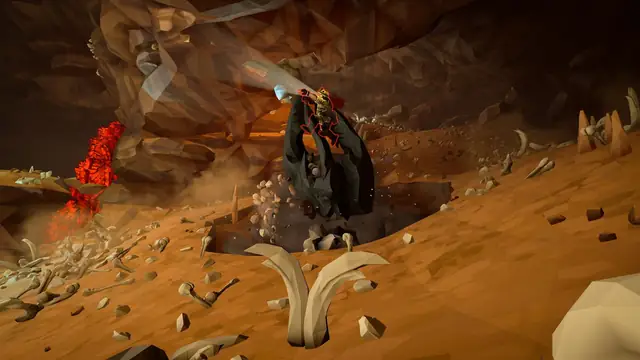
A fallen teammate isn’t the end; risking the rescue is the real team test.
- Prototype complexity
- Who plays
- Co-op play
- 01A teammate goes down
- 02Weigh the rescue risk
- 03Reach them and hold to revive
- 04Back in action or wipe
Hidden Roles
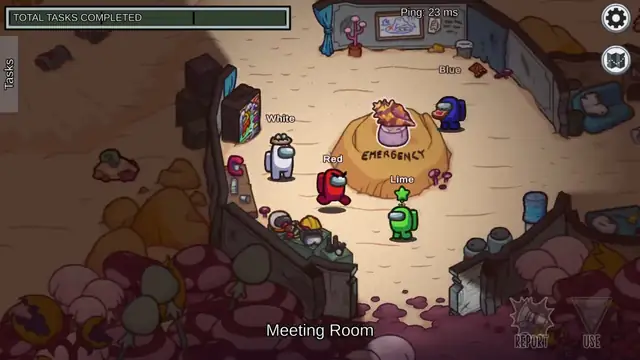
You know who you are; your job is making everyone believe otherwise.
- Prototype complexity
- Who plays
- Competitive play
- 01Roles dealt secretly
- 02Act on your role
- 03Disguise or observe
- 04Exposed or victorious
Know Your Max Bid
Holding your limit while others raise the bid is the hardest auction lesson.
- Prototype complexity
- Who plays
- Solo decisions
- 01Appraise the lot
- 02Set a personal cap
- 03Raise or drop out
- 04Win it or let it go