
Sharpen What You Own
Instead of adding more cards, pour resources into the few you trust most.
- Prototype complexity
- Who plays
- Solo decisions
- Design focus
- Progression · Economy · Optimization
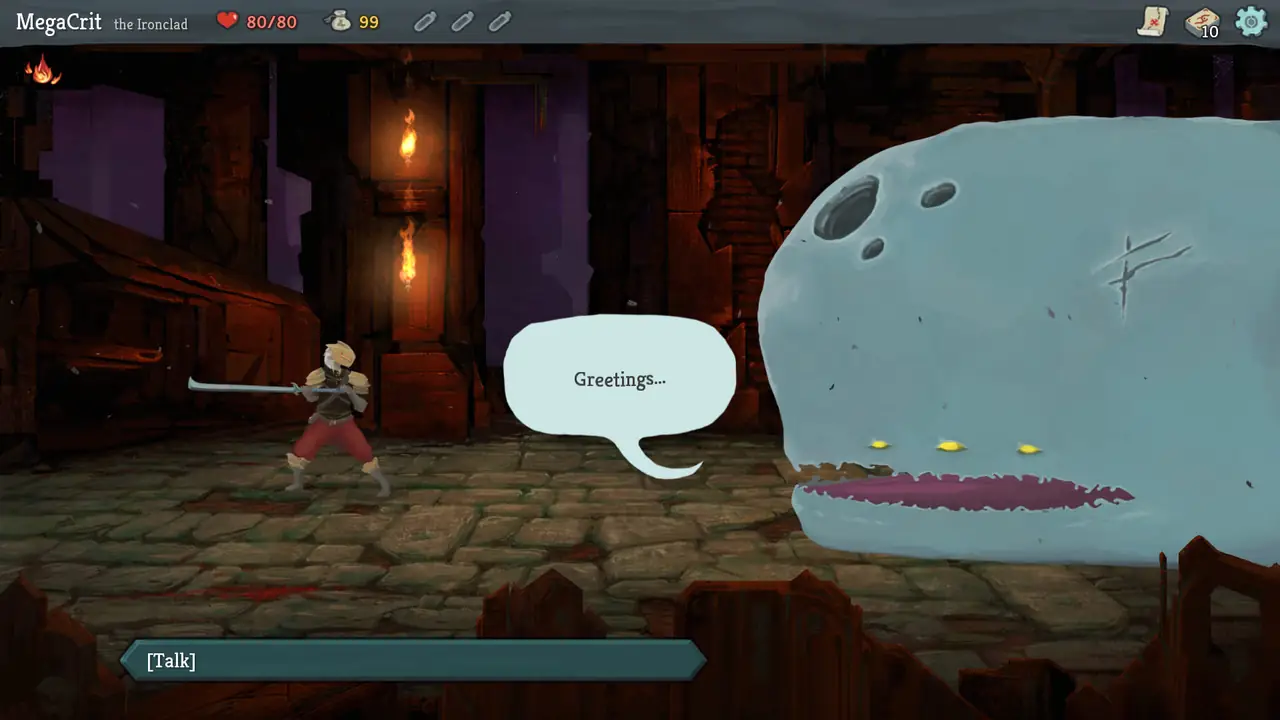 No.062Slay the Spire
01The core loop
Action → feedback → next choice- 01Earn an upgrade resource
- 02Choose a card to invest in
- 03Its numbers or effect improve
- 04Benefit every time it’s drawn
↻Feedback changes the situation — the next round starts from there.
Walk through one round
A simplified design example. Situations and numbers illustrate the mechanic, not exact rules from a reference game.
- T1
Turn 1 · The situation
At 40/80 HP you reach a campfire: heal 24 or upgrade one card.
- T2
Turn 2 · The player chooses
Judging the next fight easy, the player cuts a 2-cost AoE to 1 cost.
- T3
Turn 3 · The feedback
One spare energy per turn clears the next fight in 3 turns for only 6 damage.
- T4
Turn 4 · The next decision
At the pre-boss campfire, the player heals to be safe.
How it plays
Upgrades come from rest stops, shops or items and are scarce, often competing with healing or buying new cards. An upgraded card gets cheaper, hits harder or gains a keyword without diluting the deck. Highlighted card text and bigger damage numbers make the payoff visible.
What the player weighs
- Upgrade vs heal or buy new
- Stack one core card vs spread across many
02Start small
Scope is an editorial estimate for the minimum prototype, not the reference game or a production schedule.
03One mechanic, different implementations
Slay the Spire
Campfires let you rest or smith one card; most cards upgrade once (Searing Blow is an exception), with extra upgrades from items and events.
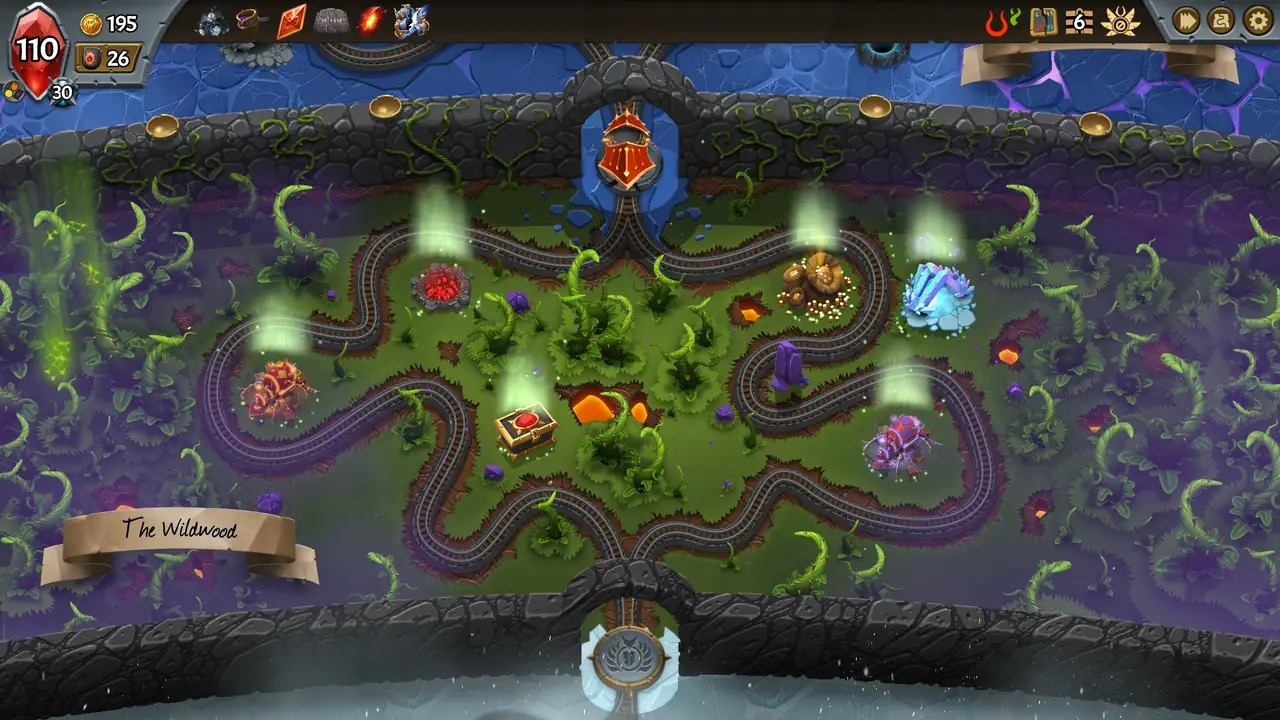
Monster Train
Merchants sell upgrade stones you apply to units or spells; each card has limited upgrade slots, and repeat upgrades tend to cost more.
The difference worth noticing
Slay the Spire upgrades follow one fixed step; Monster Train lets you mix many enhancements, capped by slots.
Case notes are Yoroll editorial summaries; rules may change between versions.
04What could you combine?
Hide upgrade-stone prices and reveal the merchant’s valuation only through post-purchase markups, so players must infer when to stop.
Prototype this combo in Yoroll→Follow the next idea
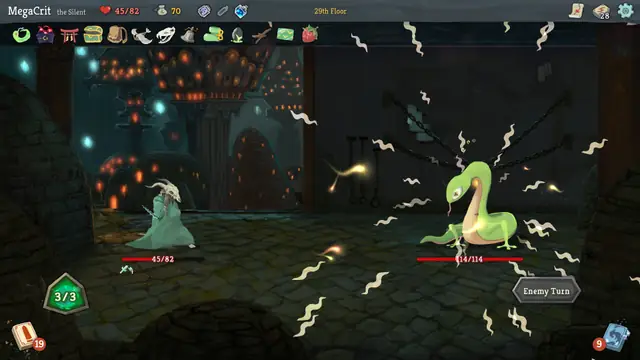
Clone Your Best Card
Copy the card you’ve already invested in and double the return on that investment.
- Prototype complexity
- Who plays
- Solo decisions
- 01Grow a core card
- 02Find a copy effect
- 03Clone it with upgrades
- 04It shows up twice as often
Debt on the Clock
A big debt and recurring due dates make every purchase feel tense.
- Prototype complexity
- Who plays
- Solo decisions
- 01Earn income
- 02Pay fixed costs
- 03Save for the due date
- 04Repay or reinvest
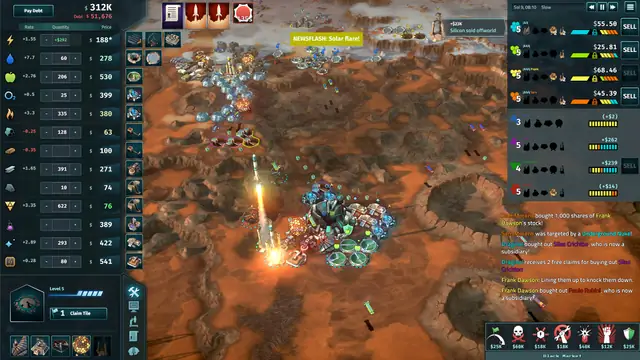
Supply-Driven Prices
Flood the market and prices fall; every sale moves the market.
- Prototype complexity
- Who plays
- Solo decisions
- 01Produce or stockpile
- 02Watch the price curve
- 03Sell at the right moment
- 04Your sale moves the price