
Clone Your Best Card
Copy the card you’ve already invested in and double the return on that investment.
- Prototype complexity
- Who plays
- Solo decisions
- Design focus
- Planning · Progression · Optimization
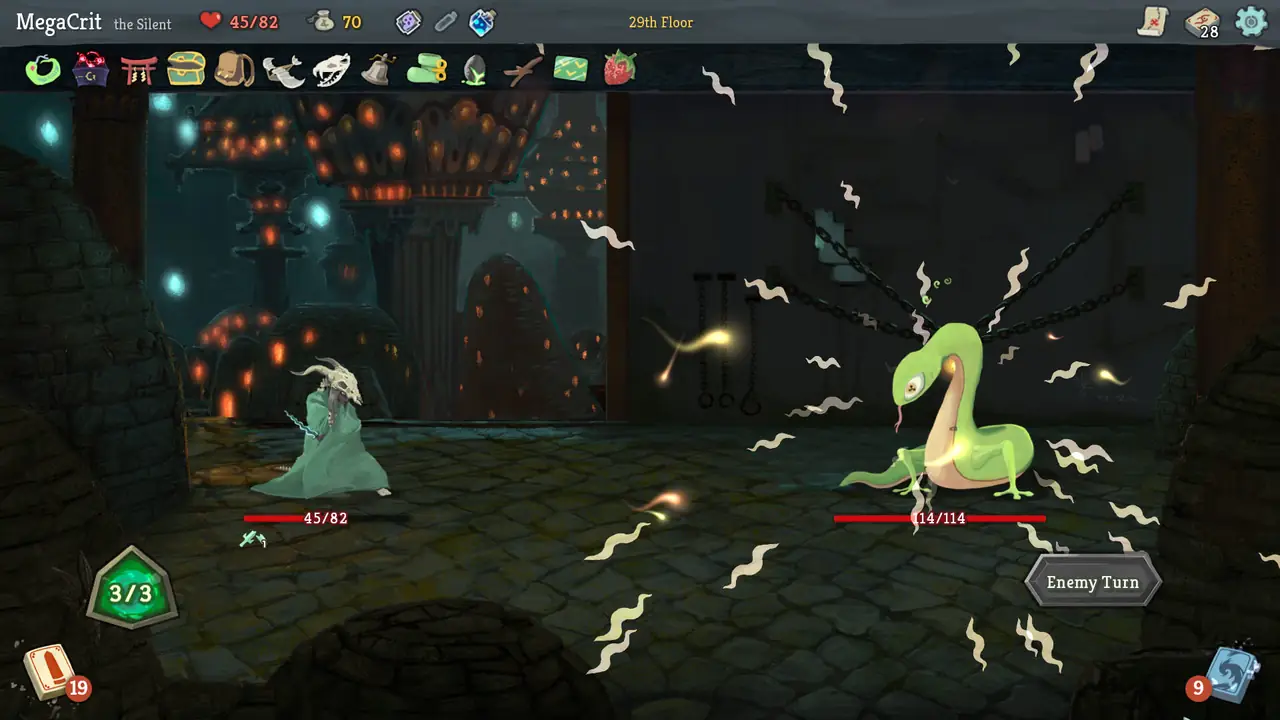 No.066Slay the Spire
01The core loop
Action → feedback → next choice- 01Grow a core card
- 02Find a copy effect
- 03Clone it with upgrades
- 04It shows up twice as often
↻Feedback changes the situation — the next round starts from there.
Walk through one round
A simplified design example. Situations and numbers illustrate the mechanic, not exact rules from a reference game.
- T1
Turn 1 · The situation
A twice-upgraded unit hits for 18; the shop offers duplication for 120 gold, and you have 150.
- T2
Turn 2 · The player chooses
The player duplicates it and skips the healing potion.
- T3
Turn 3 · The feedback
Both copies take a slot, and the next fight’s output rises about 40%.
- T4
Turn 4 · The next decision
The boss has area damage, so the player worries both copies die together.
How it plays
Copy chances come from rare items, events or shop services and usually carry over upgrades. Copies raise the core card’s share of the deck but deepen reliance on one plan. Drawing the card more often makes the change obvious.
What the player weighs
- Copy a strong card vs fix a weakness
- Copy now vs wait until it’s upgraded
02Start small
Scope is an editorial estimate for the minimum prototype, not the reference game or a production schedule.
03One mechanic, different implementations
Slay the Spire
Dolly’s Mirror and some events duplicate a card in your deck, and an upgraded card stays upgraded in the copy.
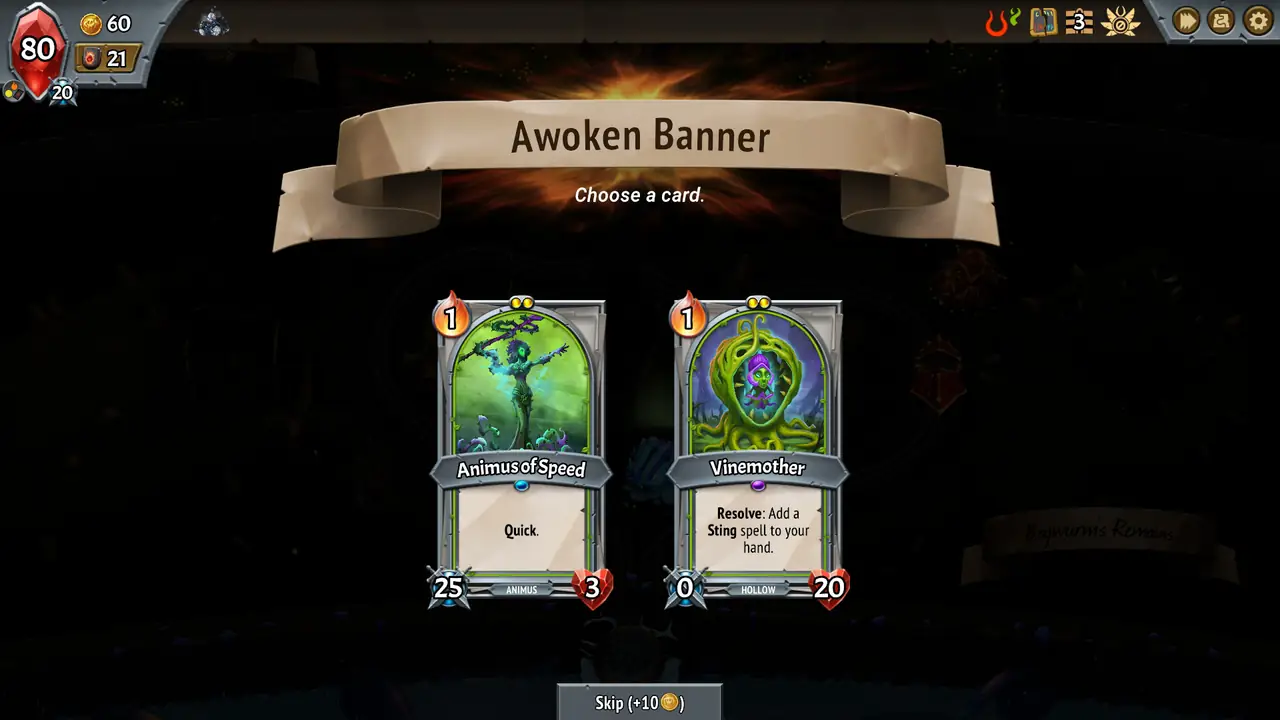
Monster Train
Certain stops or events along the route offer to duplicate a card, and copies generally keep applied upgrades (exact sources vary by version).
The difference worth noticing
Slay the Spire’s copies are rare windfalls; Monster Train pairs copying with upgrade stones in a grow-then-clone rhythm.
Case notes are Yoroll editorial summaries; rules may change between versions.
04What could you combine?
Treat copies as factory blueprints: once cloned, a card can be reprinted cheaply, but each print wears the blueprint down a tier.
Prototype this combo in Yoroll→Follow the next idea
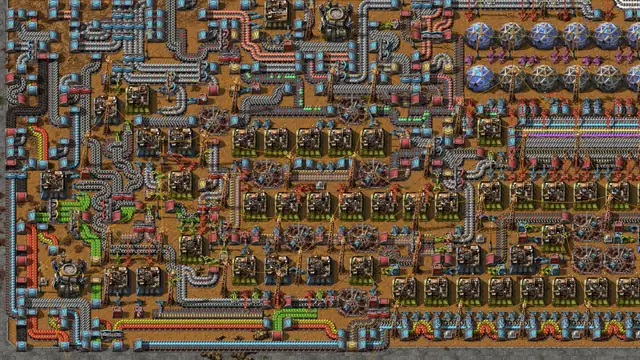
Multi-Stage Production Chain
Raw material climbs tier by tier into goods, and any tier can bottleneck the next.
- Prototype complexity
- Who plays
- Solo decisions
- 01Choose a target product
- 02Break down intermediates
- 03Build each tier by ratio
- 04Find bottlenecks, scale up
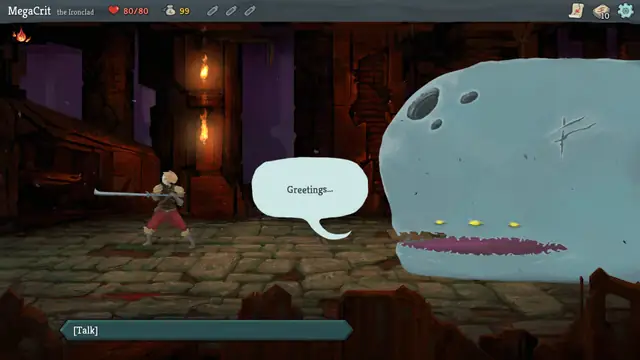
Sharpen What You Own
Instead of adding more cards, pour resources into the few you trust most.
- Prototype complexity
- Who plays
- Solo decisions
- 01Earn an upgrade resource
- 02Choose a card to invest in
- 03Its numbers or effect improve
- 04Benefit every time it’s drawn
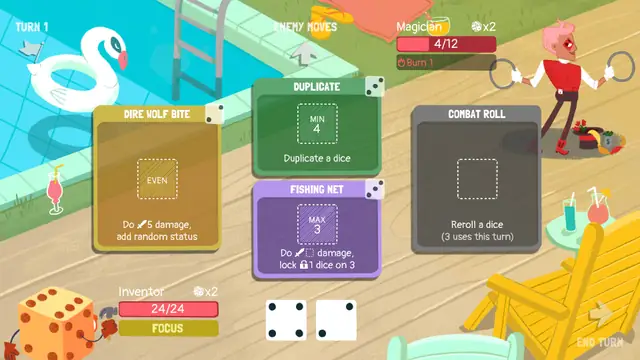
Assign the Roll
Roll first, then slot each result into the ability that wants it most.
- Prototype complexity
- Who plays
- Solo decisions
- 01Roll the dice pool
- 02Check slot requirements
- 03Place dice into slots
- 04Effects resolve