
One Card, Two Uses
Each card holds two uses, and choosing one forfeits the other.
- Prototype complexity
- Who plays
- Solo decisions
- Design focus
- Spatial · Planning · Risk
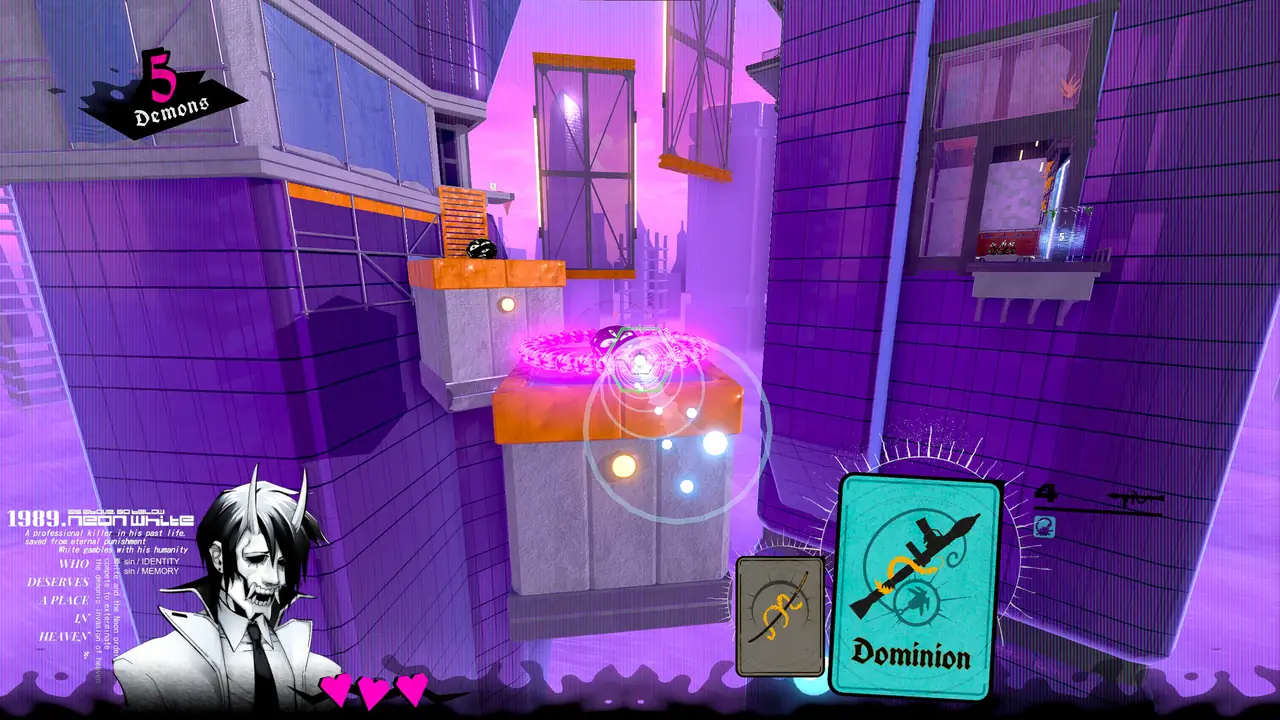 No.069Neon White
01The core loop
Action → feedback → next choice- 01Hold a two-sided card
- 02Compare both uses
- 03Commit to one
- 04The other is gone
↻Feedback changes the situation — the next round starts from there.
Walk through one round
A simplified design example. Situations and numbers illustrate the mechanic, not exact rules from a reference game.
- T1
Turn 1 · The situation
One card: top is attack 3, bottom is move 4; an enemy is 6 tiles away, a chest 4 tiles.
- T2
Turn 2 · The player chooses
The player uses the bottom half to reach the chest.
- T3
Turn 3 · The feedback
A healing potion is gained, but the enemy closes to 2 tiles and strikes first.
- T4
Turn 4 · The next decision
Next turn, the player saves attack sides.
How it plays
A card carries two effects, such as attack or movement, top action or bottom action. Playing it means choosing one side, or using it one way spends the card. Changes in position or combat outcome show the path taken.
What the player weighs
- Combat value vs movement or exploration value
- Best use now vs keep the other side for later
02Start small
Scope is an editorial estimate for the minimum prototype, not the reference game or a production schedule.
03One mechanic, different implementations
Neon White
Soul cards fire as weapons or can be discarded for a one-off movement ability like a dash or double jump, losing the card.
Gloomhaven
Each turn you play two cards, using the top of one and the bottom of the other; strong effects lose the card, draining your hand-based stamina.
The difference worth noticing
Neon White compresses the choice into split-second parkour; Gloomhaven makes it a slow, turn-based resource decision.
Case notes are Yoroll editorial summaries; rules may change between versions.
04What could you combine?
A card’s movement side can permanently unlock a map shortcut at the cost of leaving the deck, trading combat power for backtracking routes.
Prototype this combo in Yoroll→Follow the next idea
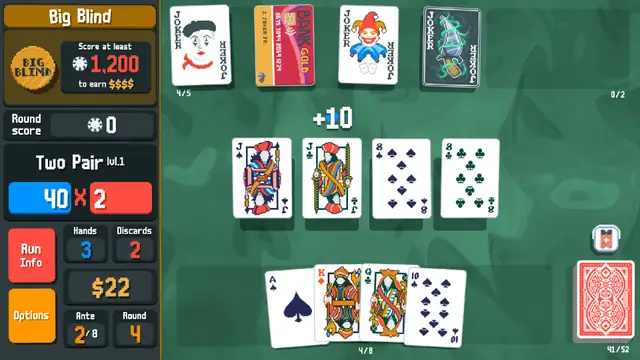
Toss and Redraw
Throw away dead cards for fresh ones, spending limited tries to chase the one you need.
- Prototype complexity
- Who plays
- Solo decisions
- 01Read your hand
- 02Pick cards to toss
- 03Draw replacements
- 04Commit or gamble again
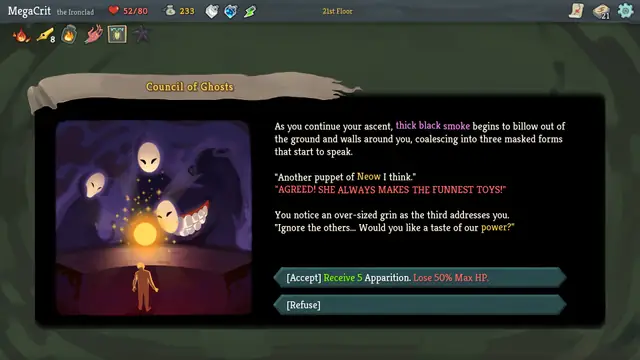
Burn It for the Fight
Strong cards that vanish for the rest of the fight trade longevity for a decisive spike.
- Prototype complexity
- Who plays
- Solo decisions
- 01Draw a one-use card
- 02Judge the burst moment
- 03Play it; it leaves combat
- 04Thinner deck draws cleaner
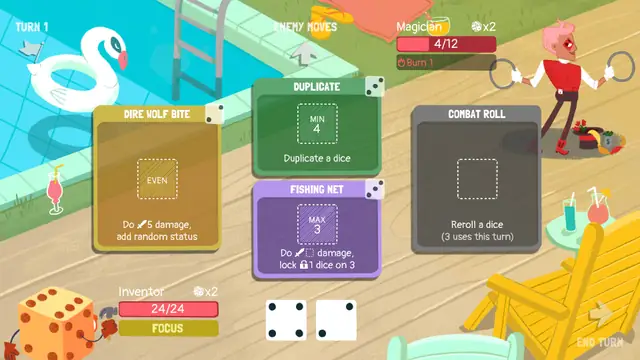
Assign the Roll
Roll first, then slot each result into the ability that wants it most.
- Prototype complexity
- Who plays
- Solo decisions
- 01Roll the dice pool
- 02Check slot requirements
- 03Place dice into slots
- 04Effects resolve