
Cards Made Mid-Fight
Cards conjured during a fight live for that fight only, yet can carry a whole strategy.
- Prototype complexity
- Who plays
- Solo decisions
- Design focus
- Planning · Optimization
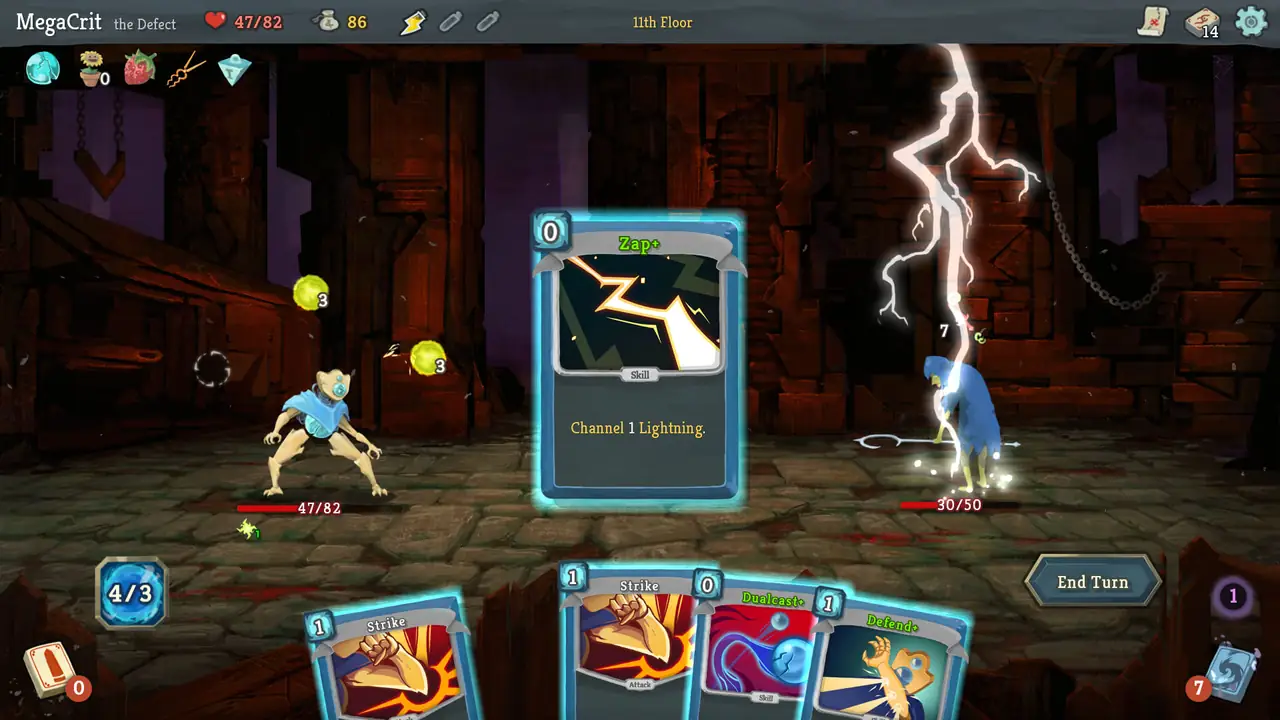 No.067Slay the Spire
01The core loop
Action → feedback → next choice- 01Play a generator
- 02Temporary cards appear
- 03Chain them into combos
- 04They vanish after combat
↻Feedback changes the situation — the next round starts from there.
Walk through one round
A simplified design example. Situations and numbers illustrate the mechanic, not exact rules from a reference game.
- T1
Turn 1 · The situation
Hand limit 10, holding 6; one card makes four 0-cost 2-damage knives, and a power grants 1 block per attack.
- T2
Turn 2 · The player chooses
Play the generator, then fire all four knives.
- T3
Turn 3 · The feedback
8 damage and 4 block for a single energy.
- T4
Turn 4 · The next decision
The player starts hunting rewards that buff knife damage.
How it plays
Some cards create extra cards in hand, draw pile or discard pile that never join the permanent deck. They’re usually cheap and simple, ideal for ‘whenever you play a card’ triggers. A swelling hand and chained animations are the payoff.
What the player weighs
- Hand-size crowding vs burst volume
- Depend on drawing the generator vs steady base cards
02Start small
Scope is an editorial estimate for the minimum prototype, not the reference game or a production schedule.
03One mechanic, different implementations
Slay the Spire
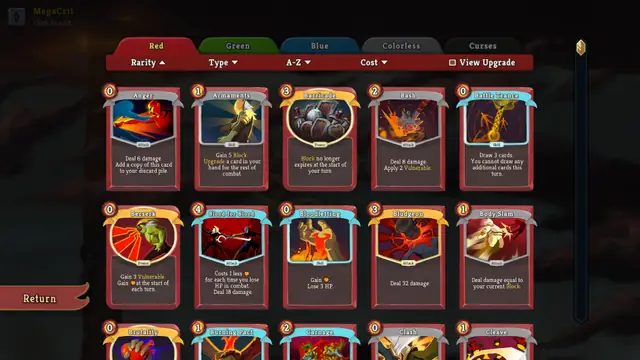
The Silent’s Shivs and discover-style random cards exist only for the current fight and underpin several builds.
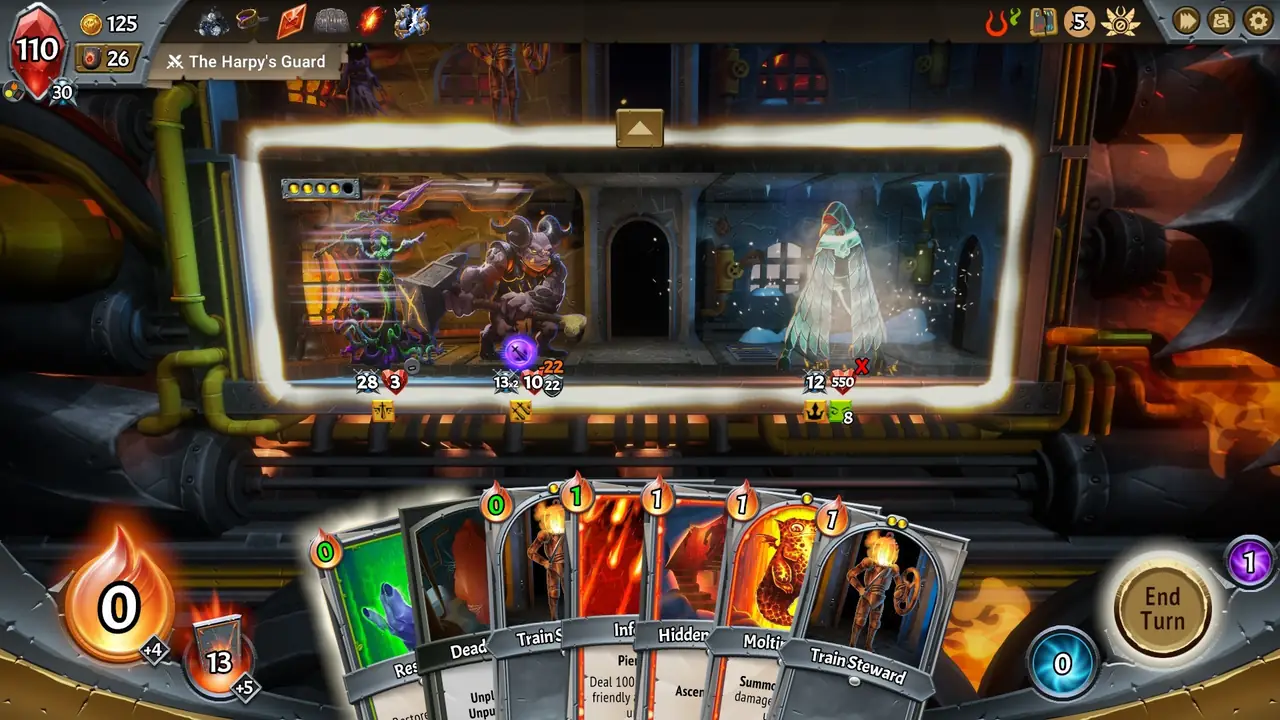
Monster Train
Some cards and artifacts add extra spells to hand or summon temporary units on floors mid-battle, none of which enter the permanent deck (specific cards vary by version).
The difference worth noticing
Slay the Spire’s temporary cards fuel hand-based chains; Monster Train’s often show up as units on the board.
Case notes are Yoroll editorial summaries; rules may change between versions.
04What could you combine?
Temporary cards act as support beams holding up a structure; when they expire at turn end, anything not backed by permanent cards collapses.
Prototype this combo in Yoroll→Follow the next idea
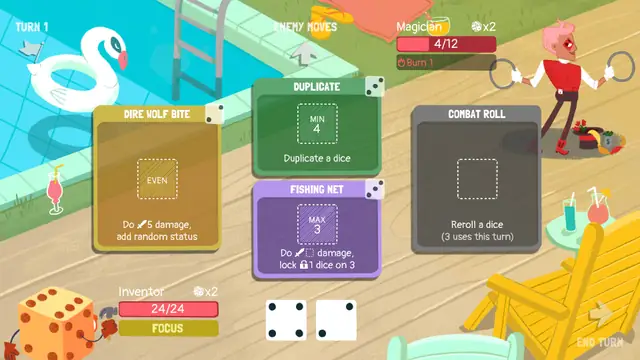
Assign the Roll
Roll first, then slot each result into the ability that wants it most.
- Prototype complexity
- Who plays
- Solo decisions
- 01Roll the dice pool
- 02Check slot requirements
- 03Place dice into slots
- 04Effects resolve
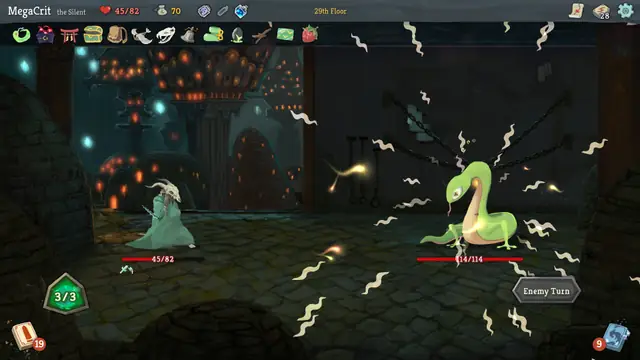
Clone Your Best Card
Copy the card you’ve already invested in and double the return on that investment.
- Prototype complexity
- Who plays
- Solo decisions
- 01Grow a core card
- 02Find a copy effect
- 03Clone it with upgrades
- 04It shows up twice as often
Guaranteed Opening Hand
Pin a few key cards to the opening so every fight starts on plan.
- Prototype complexity
- Who plays
- Solo decisions
- 01Mark a key card
- 02It starts in hand
- 03Turn one follows the plan
- 04Rethink the next mark