
Order of Operations
The same cards resolved in a different order can multiply the result.
- Prototype complexity
- Who plays
- Solo decisions
- Design focus
- Planning · Optimization
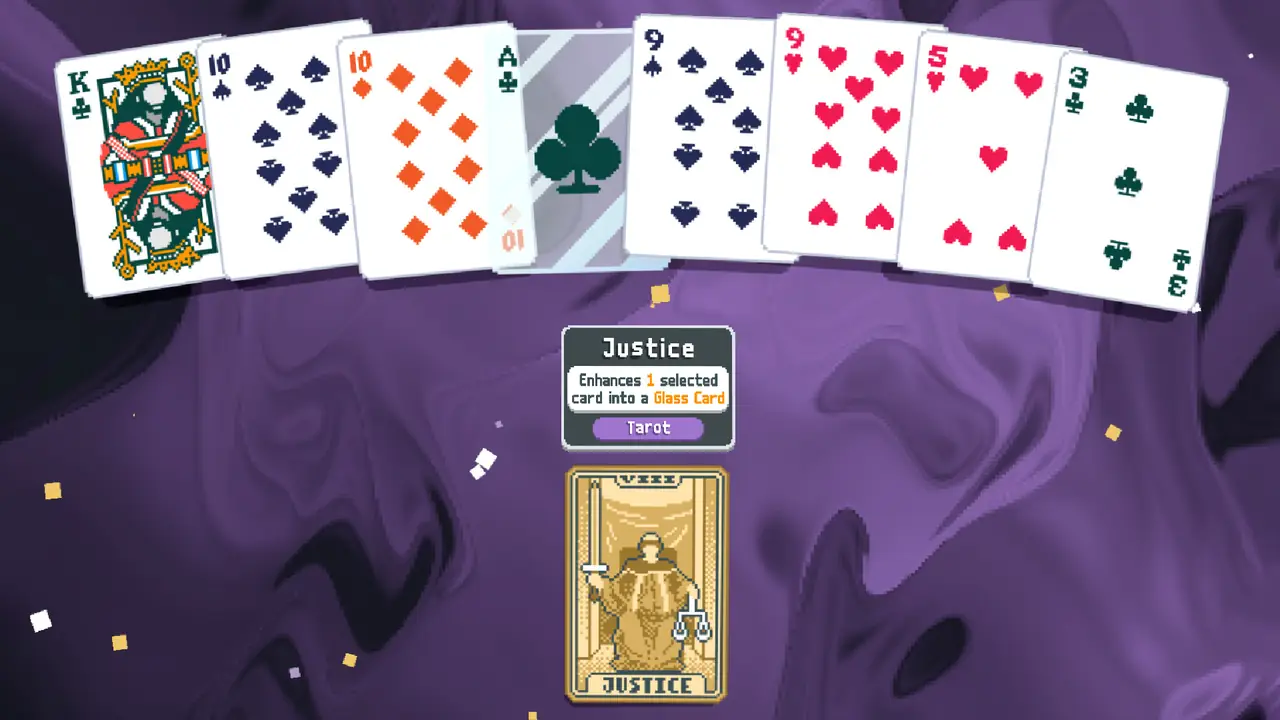 No.068Balatro
01The core loop
Action → feedback → next choice- 01Lay out the sequence
- 02Predict the outcome
- 03Reorder effects
- 04Watch the number grow
↻Feedback changes the situation — the next round starts from there.
Walk through one round
A simplified design example. Situations and numbers illustrate the mechanic, not exact rules from a reference game.
- T1
Turn 1 · The situation
Base chips 10, base mult 1, with a +4 mult joker and a ×2 mult joker.
- T2
Turn 2 · The player chooses
Place +4 before ×2.
- T3
Turn 3 · The feedback
Mult becomes (1+4)×2=10 for 100 points; reversed it’s 1×2+4=6 for 60.
- T4
Turn 4 · The next decision
The player now hunts multipliers to sit on the far right.
How it plays
Effects resolve left to right or in play order, so additive vs multiplicative bonuses, or debuff vs attack, change the final number. Rules must be predictable so players can plan the order. Step-by-step ticking numbers are the core feedback.
What the player weighs
- Set up first vs strike first
- Ideal order vs slot or energy costs
02Start small
Scope is an editorial estimate for the minimum prototype, not the reference game or a production schedule.
03One mechanic, different implementations
Balatro
Jokers trigger left to right and can be dragged; putting +mult before ×mult is a basic skill.
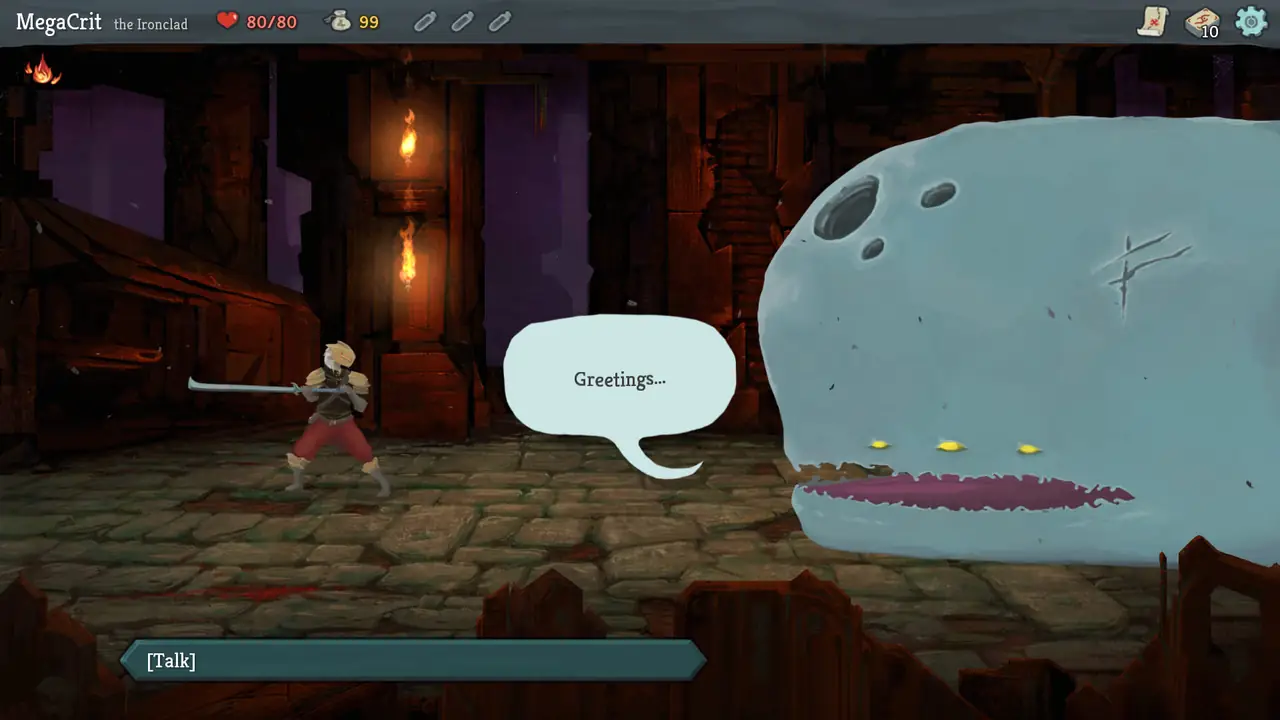
Slay the Spire
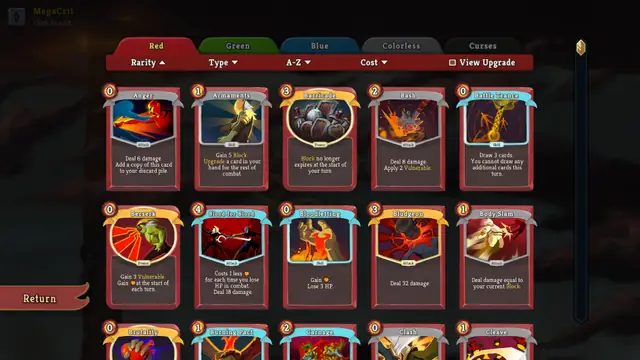
Order lives in play sequence: apply Vulnerable or Strength before multi-hit attacks, or draw before committing, to swing a turn’s value.
The difference worth noticing
Balatro’s order is a persistent layout; Slay the Spire’s is a fresh sequencing decision each turn.
Case notes are Yoroll editorial summaries; rules may change between versions.
04What could you combine?
Make effect order a production line: materials pass stations in sequence, and swapping stations changes the final product’s grade.
Prototype this combo in Yoroll→Follow the next idea
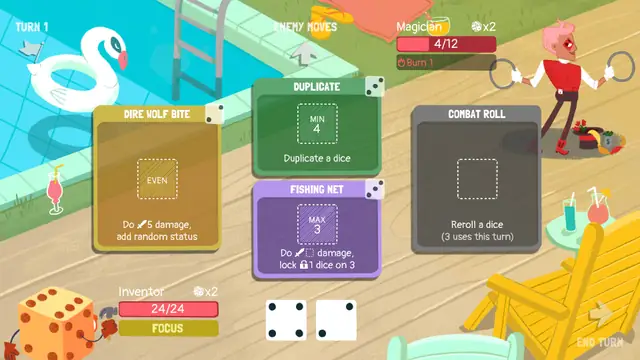
Assign the Roll
Roll first, then slot each result into the ability that wants it most.
- Prototype complexity
- Who plays
- Solo decisions
- 01Roll the dice pool
- 02Check slot requirements
- 03Place dice into slots
- 04Effects resolve
Clone Your Best Card
Copy the card you’ve already invested in and double the return on that investment.
- Prototype complexity
- Who plays
- Solo decisions
- 01Grow a core card
- 02Find a copy effect
- 03Clone it with upgrades
- 04It shows up twice as often
Guaranteed Opening Hand
Pin a few key cards to the opening so every fight starts on plan.
- Prototype complexity
- Who plays
- Solo decisions
- 01Mark a key card
- 02It starts in hand
- 03Turn one follows the plan
- 04Rethink the next mark