
Chained Trap Sequences
One trap deals damage; a well-ordered set becomes a killing machine.
- Prototype complexity
- Who plays
- Solo decisions
- Design focus
- Spatial · Planning · Timing
 No.087Orcs Must Die! 3
01The core loop
Action → feedback → next choice- 01Study the enemy route
- 02Place traps in sequence
- 03Watch the chain trigger
- 04Tune positions and cooldowns
↻Feedback changes the situation — the next round starts from there.
Walk through one round
A simplified design example. Situations and numbers illustrate the mechanic, not exact rules from a reference game.
- T1
Turn 1 · The situation
A 10-tile corridor; the player has a slow floor (3 tiles), a wall blade (20 damage per second), and a push plate (shoves 4 tiles).
- T2
Turn 2 · The player chooses
They put the slow floor in front of the blades and the push plate at the end facing a lava pit.
- T3
Turn 3 · The feedback
Slowed enemies spend 3 s at the blades taking 60, and survivors get pushed into lava, wiping nearly all.
- T4
Turn 4 · The next decision
The next wave has knockback-immune heavies, so they add a high-damage trap at the end.
How it plays
Traps sit on floors, walls or ceilings, each with triggers and cooldowns. Combined, they boost each other: slows hold enemies over damage traps, and pushers shove them into pits. Enemy movement, the moment they get launched and kill counts show whether the chain works.
What the player weighs
- Concentrate traps into a strong chain, or spread them across routes.
- Pick high-damage, long-cooldown traps, or weaker ones that fire often.
02Start small
Scope is an editorial estimate for the minimum prototype, not the reference game or a production schedule.
03One mechanic, different implementations
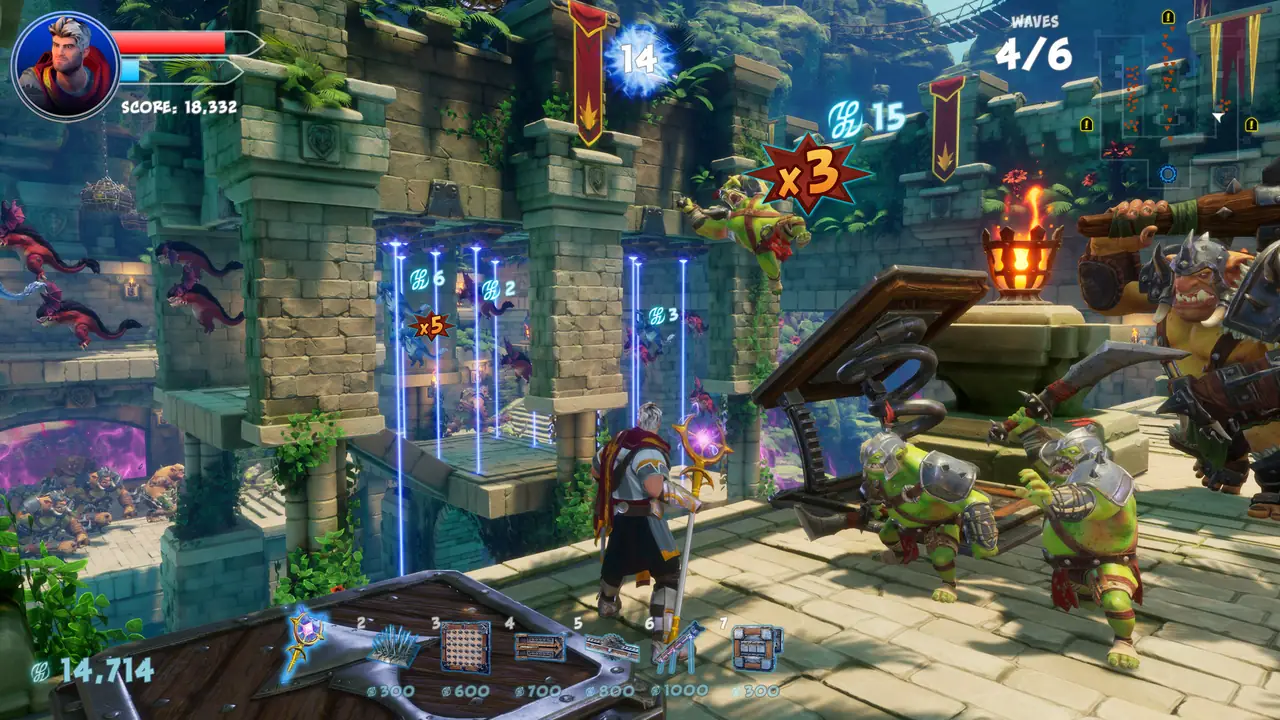
Orcs Must Die! 3
Players set traps on floors, walls and ceilings while fighting in person, and a common play is launching or pushing orcs into lava or pits.
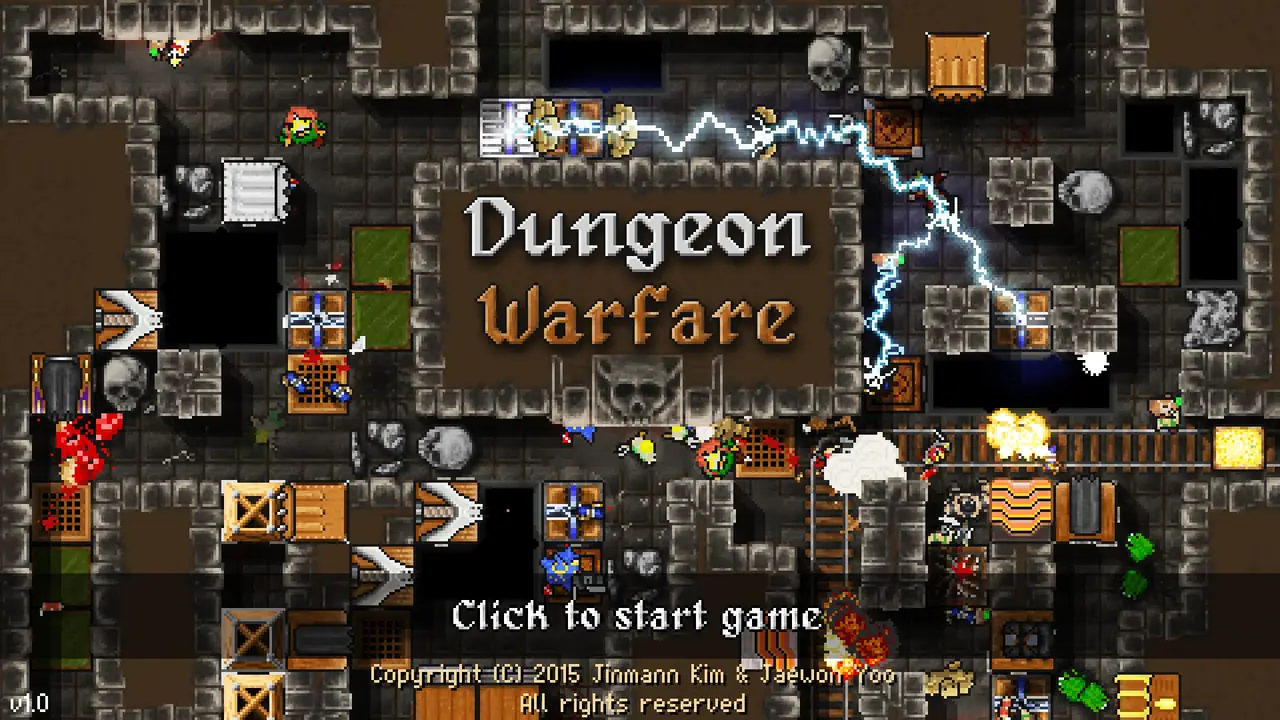
Dungeon Warfare
A top-down dungeon defense where traps push adventurers into pits or spikes, and good layouts rely on knockback directions and cooldown timing.
The difference worth noticing
Orcs Must Die! 3 blends traps with third-person action; Dungeon Warfare is a pure top-down layout puzzle.
Case notes are Yoroll editorial summaries; rules may change between versions.
04What could you combine?
Trigger traps via sensors players configure, like ‘fire when three enemies are detected’, to concentrate damage on groups.
Prototype this combo in Yoroll→Follow the next idea
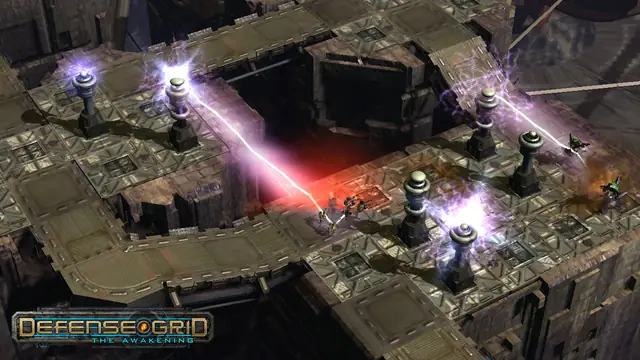
Mazing the Enemy Path
Block paths into a maze; the longer enemies walk, the more damage they take.
- Prototype complexity
- Who plays
- Solo decisions
- 01Predict enemy pathing
- 02Place blocking structures
- 03Watch the path change
- 04Line the route with firepower
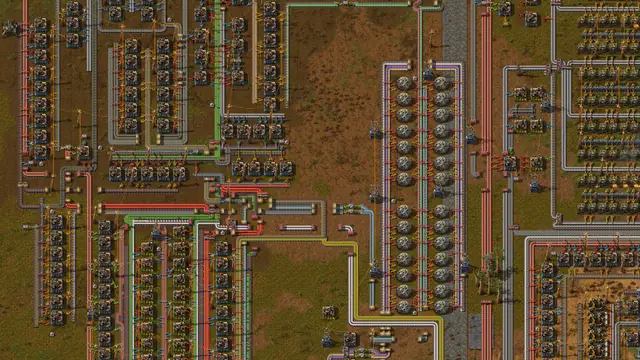
Drone Logistics Network
No belts needed: flying units deliver where needed, but you have to keep them supplied.
- Prototype complexity
- Who plays
- Solo decisions
- 01Build ports and storage
- 02Set requests and supplies
- 03Drones deliver automatically
- 04Expand or refuel the network
Conveyor Routing
Moving items from A to B is easy; keeping every line from tangling is the game.
- Prototype complexity
- Who plays
- Solo decisions
- 01Plan source and destination
- 02Lay belts around obstacles
- 03Watch flow and jams
- 04Reroute or add layers