
Keep the Gene Pool Wide
Inbreeding pays off fast but leaves the whole population fragile.
- Prototype complexity
- Who plays
- Solo decisions
- Design focus
- Planning · Information · Progression
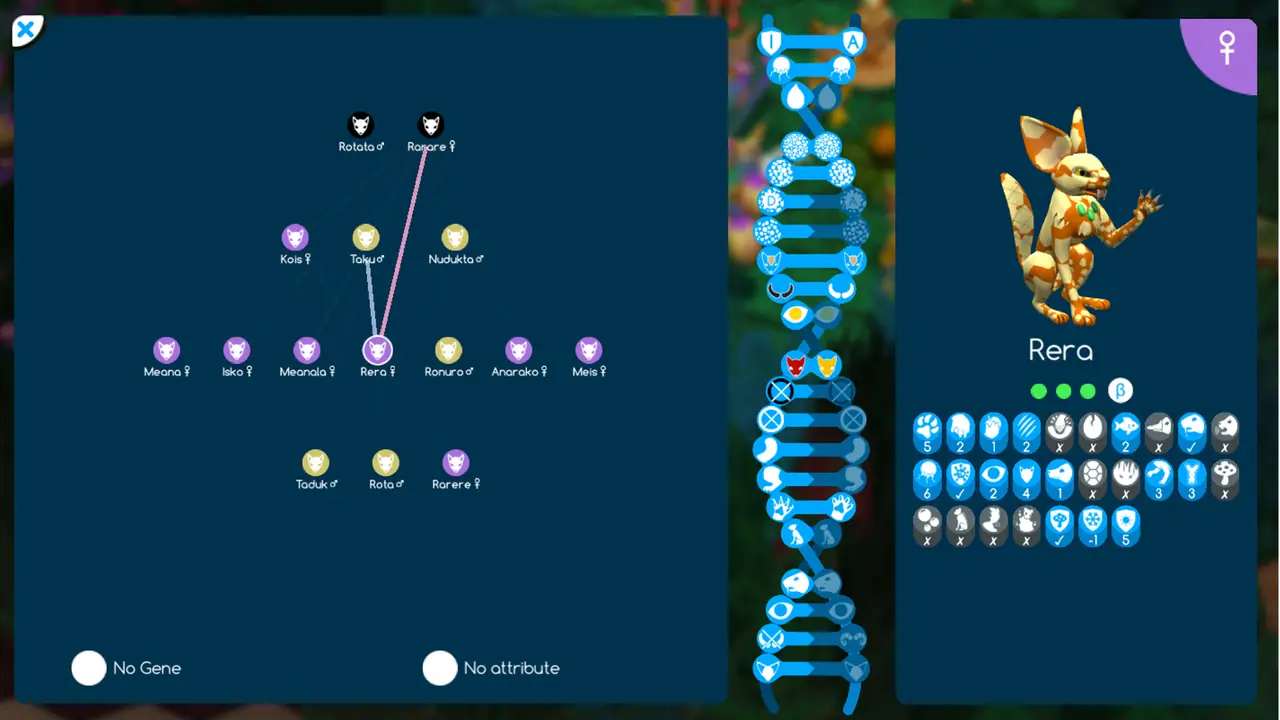 No.127Niche - a genetics survival game
01The core loop
Action → feedback → next choice- 01Assess the bloodlines
- 02Bring in new stock
- 03Avoid close pairings
- 04Sustain a healthy population
↻Feedback changes the situation — the next round starts from there.
Walk through one round
A simplified design example. Situations and numbers illustrate the mechanic, not exact rules from a reference game.
- T1
Turn 1 · The situation
The group of 5 all descend from one pair, and the latest litter includes one with weak immunity.
- T2
Turn 2 · The player chooses
The player spends 300 gold on an unrelated male from the exchange.
- T3
Turn 3 · The feedback
The next litter's inbreeding score drops to 0 and health stats return to normal.
- T4
Turn 4 · The next decision
The player trades away one relative for yet another bloodline.
How it plays
The system tracks relatedness, and inbreeding raises the chance of disease, defects or poor stats. Players keep bringing in outside individuals or swapping bloodlines, often giving up the strongest short-term pairing.
What the player weighs
- Pair top relatives vs. bring in outside blood
- Pay for new stock vs. grow slowly in-house
02Start small
Scope is an editorial estimate for the minimum prototype, not the reference game or a production schedule.
03One mechanic, different implementations
Niche - a genetics survival game
Inbreeding raises the risk of genetic illness, so the tribe must recruit outsiders for fresh genes, a long-term survival challenge.
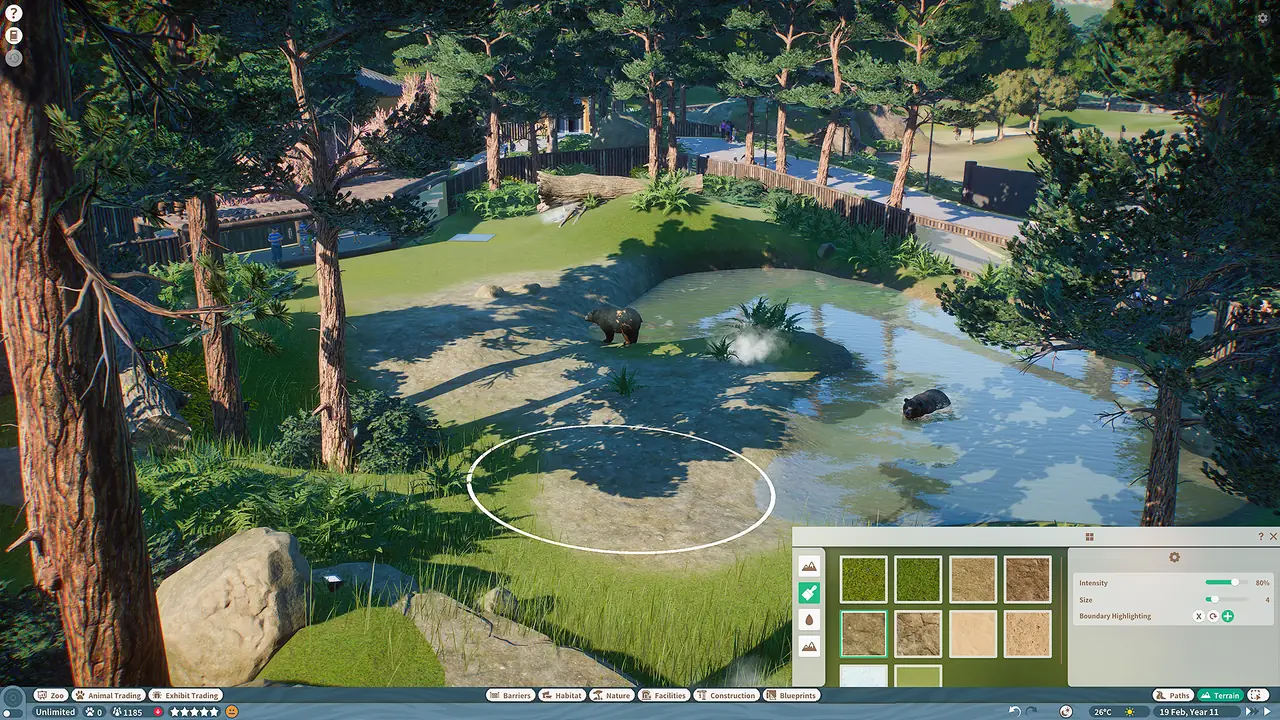
Planet Zoo
The game flags inbreeding risk, and players typically use the animal exchange to bring in unrelated individuals to avoid weaker offspring.
The difference worth noticing
In Niche diversity is life or death; in Planet Zoo it's a management cost and quality concern.
Case notes are Yoroll editorial summaries; rules may change between versions.
04What could you combine?
Link to supply-driven prices: rare bloodlines sell high when scarce, but selling many of your own drives the price down.
Prototype this combo in Yoroll→Follow the next idea
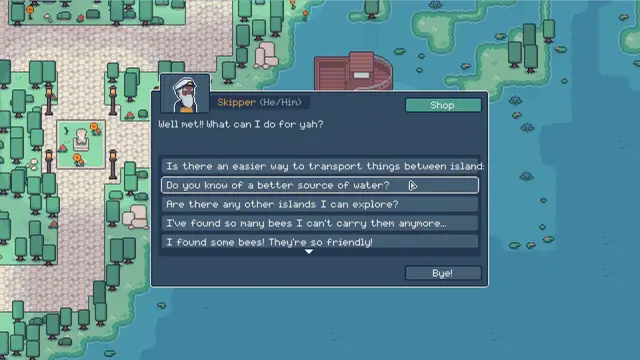
Setting the Stage to Breed
Animals won't breed on a whim; environment, timing and partner all have to line up.
- Prototype complexity
- Who plays
- Solo decisions
- 01Learn breeding needs
- 02Adjust conditions
- 03Wait for breeding
- 04Record what worked
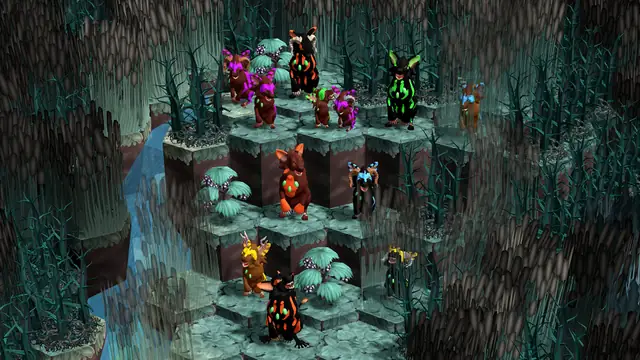
Pick Parents, Shape Offspring
Who you pair decides what the next generation becomes.
- Prototype complexity
- Who plays
- Solo decisions
- 01Inspect individual traits
- 02Choose a pairing
- 03Offspring inherit with chance
- 04Keep the best offspring
Taming Over Time
Wild animals don't become companions instantly; it takes feeding, closeness and patience.
- Prototype complexity
- Who plays
- Solo decisions
- 01Approach a wild animal
- 02Feed or interact
- 03Taming progress builds
- 04Becomes a companion or livestock