
Pick Parents, Shape Offspring
Who you pair decides what the next generation becomes.
- Prototype complexity
- Who plays
- Solo decisions
- Design focus
- Planning · Randomness · Progression
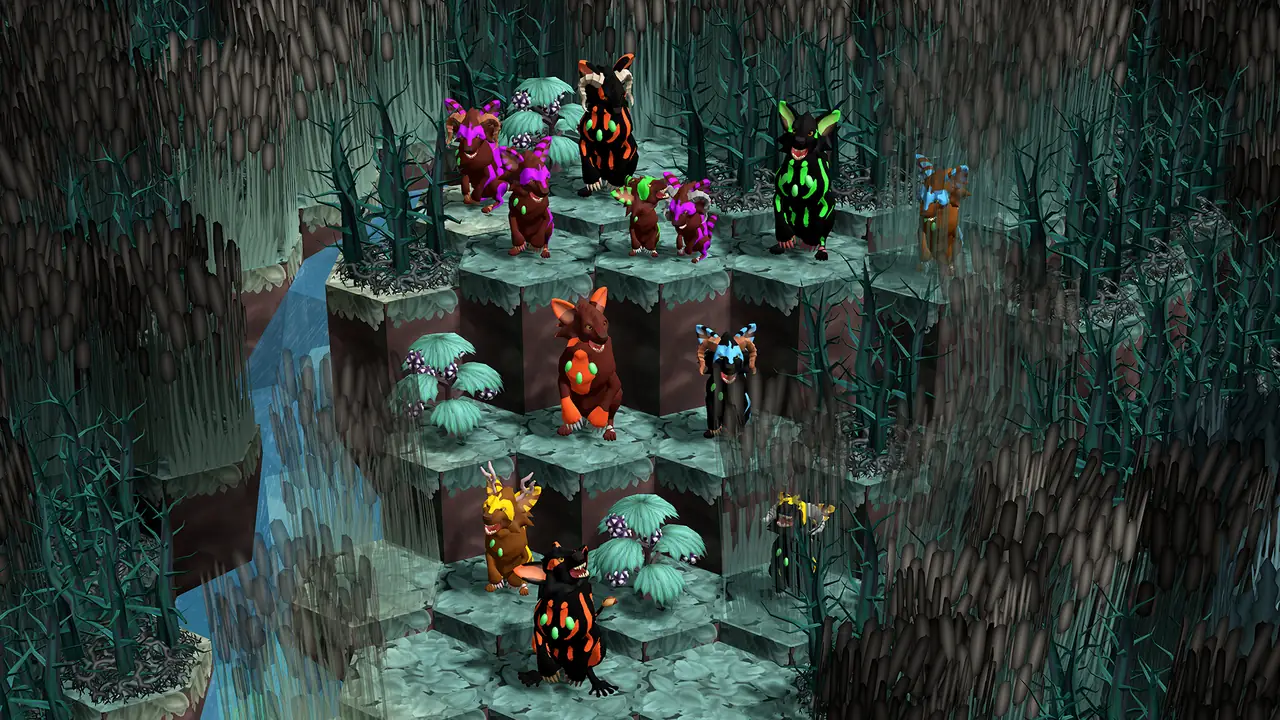 No.126Niche - a genetics survival game
01The core loop
Action → feedback → next choice- 01Inspect individual traits
- 02Choose a pairing
- 03Offspring inherit with chance
- 04Keep the best offspring
↻Feedback changes the situation — the next round starts from there.
Walk through one round
A simplified design example. Situations and numbers illustrate the mechanic, not exact rules from a reference game.
- T1
Turn 1 · The situation
A carries dominant night vision, B a recessive speed gene; each trait has about a 50% inheritance chance.
- T2
Turn 2 · The player chooses
The player pairs A and B, planning to cross the offspring with another speed carrier.
- T3
Turn 3 · The feedback
Two young arrive: one with night vision, one that looks plain but carries speed.
- T4
Turn 4 · The next decision
The player keeps the plain-looking one for the next pairing once grown.
How it plays
Each individual carries heritable traits, and offspring inherit randomly from both parents, sometimes with dominant and recessive rules. By repeatedly choosing parents, players accumulate desired traits over generations. Randomness brings both surprises and letdowns.
What the player weighs
- Chase one strong trait vs. keep a balanced profile
- Breed your best individual vs. use it for other jobs
02Start small
Scope is an editorial estimate for the minimum prototype, not the reference game or a production schedule.
03One mechanic, different implementations
Niche - a genetics survival game
Each creature has a visible genome with dominant and recessive genes, and players pick mates to combine traits suited to the environment, like better sight, teeth or fur.
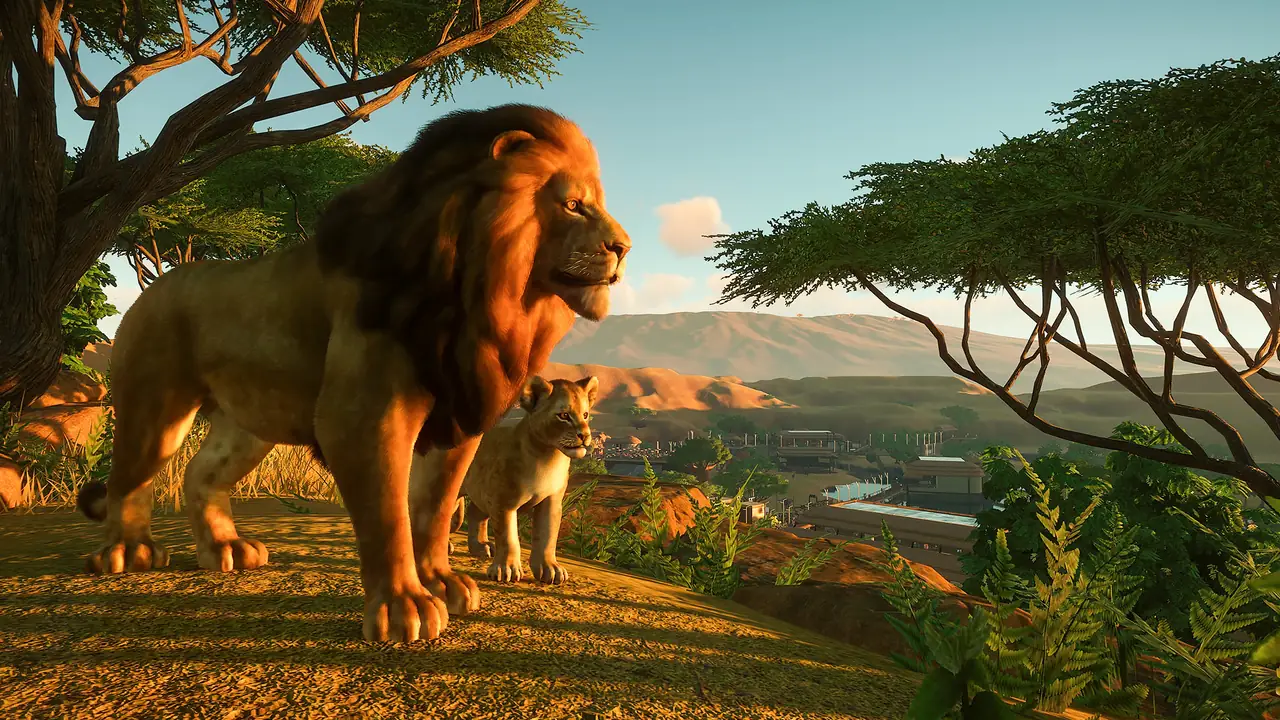
Planet Zoo
Animals have heritable size, longevity, fertility and immunity stats, and players pick pairs to raise offspring ratings and value.
The difference worth noticing
In Niche breeding is about survival; in Planet Zoo it's about quality and market value.
Case notes are Yoroll editorial summaries; rules may change between versions.
04What could you combine?
Combine with item identification: some genes start hidden and need paid testing, so players decide whether to breed blind or test first.
Prototype this combo in Yoroll→Follow the next idea
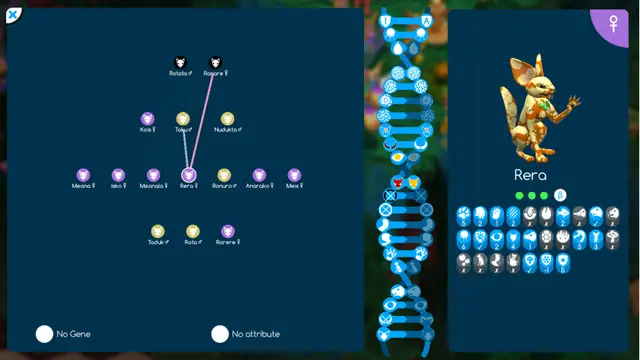
Keep the Gene Pool Wide
Inbreeding pays off fast but leaves the whole population fragile.
- Prototype complexity
- Who plays
- Solo decisions
- 01Assess the bloodlines
- 02Bring in new stock
- 03Avoid close pairings
- 04Sustain a healthy population
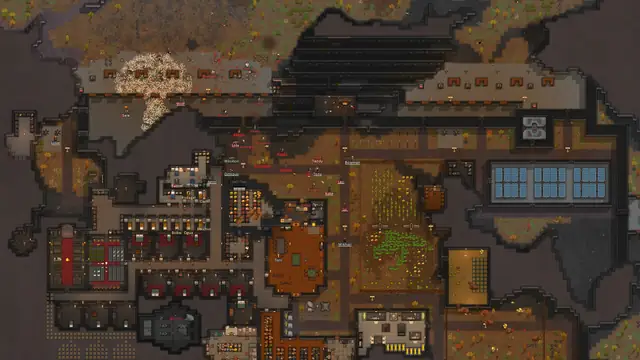
Taming Over Time
Wild animals don't become companions instantly; it takes feeding, closeness and patience.
- Prototype complexity
- Who plays
- Solo decisions
- 01Approach a wild animal
- 02Feed or interact
- 03Taming progress builds
- 04Becomes a companion or livestock
Setting the Stage to Breed
Animals won't breed on a whim; environment, timing and partner all have to line up.
- Prototype complexity
- Who plays
- Solo decisions
- 01Learn breeding needs
- 02Adjust conditions
- 03Wait for breeding
- 04Record what worked