
Who Can Live Together
Some species coexist peacefully; others fight or eat each other.
- Prototype complexity
- Who plays
- Solo decisions
- Design focus
- Planning · Spatial · Optimization
 No.131Megaquarium
01The core loop
Action → feedback → next choice- 01Check species traits
- 02Design a mix
- 03Introduce and observe
- 04Adjust or separate
↻Feedback changes the situation — the next round starts from there.
Walk through one round
A simplified design example. Situations and numbers illustrate the mechanic, not exact rules from a reference game.
- T1
Turn 1 · The situation
A tank has 6 small schooling fish; the player wants a high-appeal big fish that eats small ones.
- T2
Turn 2 · The player chooses
They put the big fish in another tank with two similar-sized species instead.
- T3
Turn 3 · The feedback
The new tank's appeal rises 30% and the small fish stay safe.
- T4
Turn 4 · The next decision
The player researches which fish complement the schoolers.
How it plays
Species have compatible, conflicting or predatory relationships, and mixing the wrong ones causes fights or losses. Good mixes save space and boost appeal or output, so players design combinations like a puzzle.
What the player weighs
- Mix to save space vs. separate to reduce risk
- Add a showstopper species vs. keep the current mix stable
02Start small
Scope is an editorial estimate for the minimum prototype, not the reference game or a production schedule.
03One mechanic, different implementations
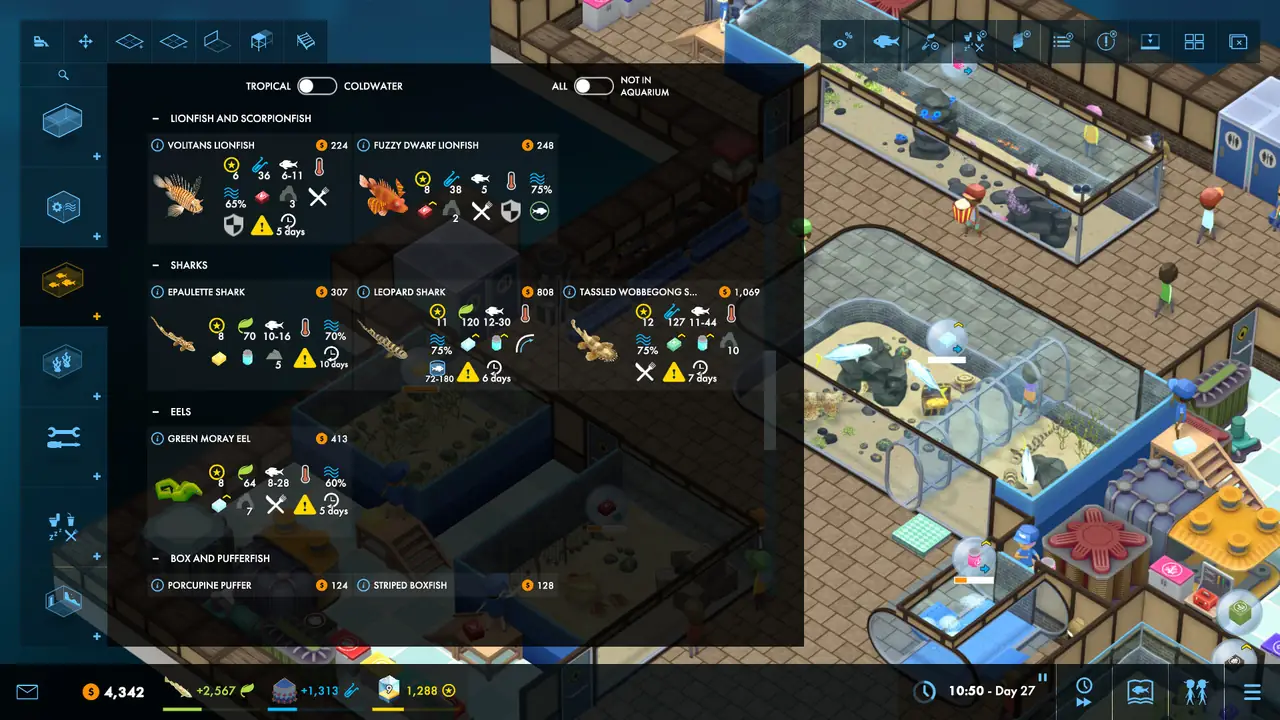
Megaquarium
Fish have traits like predator, aggressive or schooling, and info panels note which sizes they'll eat, guiding which species share a tank.
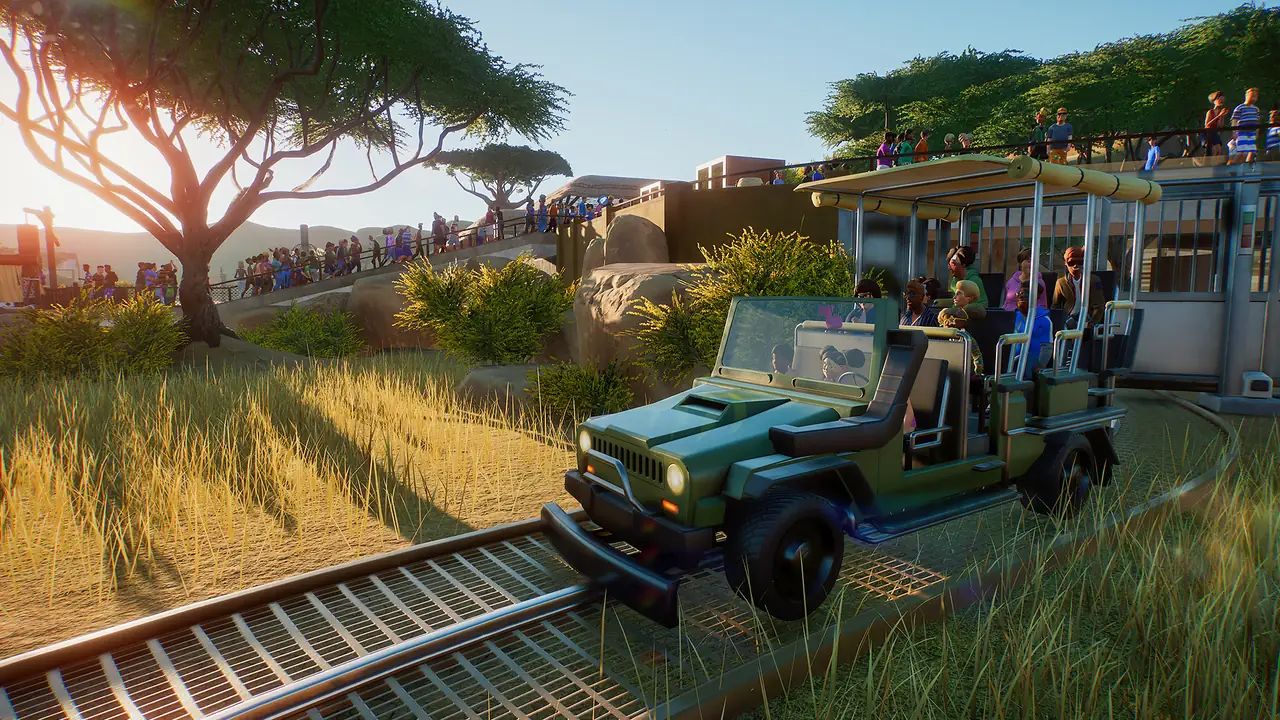
Planet Zoo
Certain species can share habitats with specific others, and the UI marks compatibility; incompatible mixes cause fights or stress.
The difference worth noticing
Megaquarium's compatibility hinges on size and predation; Planet Zoo uses explicit species-to-species lists.
Case notes are Yoroll editorial summaries; rules may change between versions.
04What could you combine?
Turn compatibility into a budget: each habitat has fixed temperament points, aggressive species cost more, and players balance stars against harmony.
Prototype this combo in Yoroll→Follow the next idea
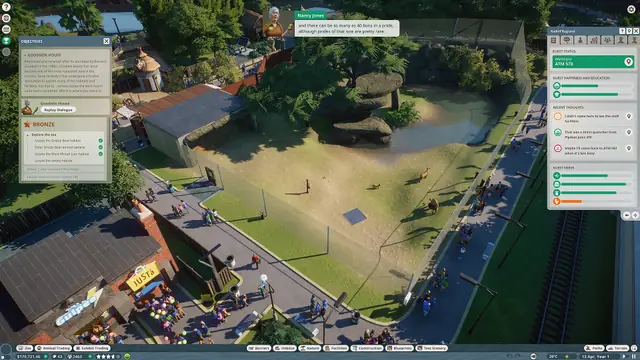
Habitat Capacity Check
Before adding an animal, check whether the space can take one more.
- Prototype complexity
- Who plays
- Solo decisions
- 01Check habitat needs
- 02Plan space and features
- 03Add an animal
- 04Monitor welfare

Neighbor Crossbreeding
Plant different strains side by side and they influence each other's offspring.
- Prototype complexity
- Who plays
- Solo decisions
- 01Collect different strains
- 02Plan the neighbor layout
- 03Wait for crossbreeding
- 04Select the best offspring
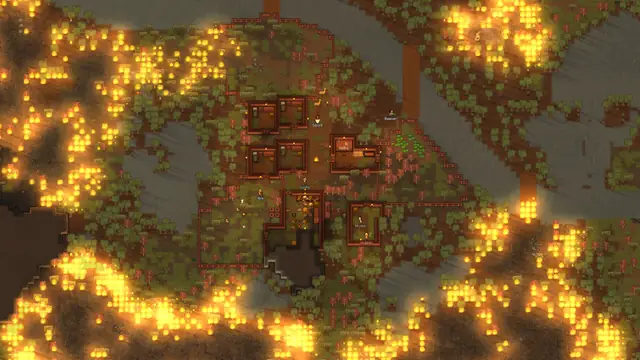
Managing Herd Size
Animals breed on their own, and left unchecked they'll eat you out of house and home.
- Prototype complexity
- Who plays
- Solo decisions
- 01Watch the population grow
- 02Gauge resource pressure
- 03Limit, sell or cull
- 04Hold a stable size