
Neighbor Crossbreeding
Plant different strains side by side and they influence each other's offspring.
- Prototype complexity
- Who plays
- Solo decisions
- Design focus
- Planning · Discovery · Spatial
 No.125Rust
01The core loop
Action → feedback → next choice- 01Collect different strains
- 02Plan the neighbor layout
- 03Wait for crossbreeding
- 04Select the best offspring
↻Feedback changes the situation — the next round starts from there.
Walk through one round
A simplified design example. Situations and numbers illustrate the mechanic, not exact rules from a reference game.
- T1
Turn 1 · The situation
A center seed has 2 slow-growth genes; 4 neighbor slots are free and the player has 3 fast-growth plants.
- T2
Turn 2 · The player chooses
The player surrounds it with the 3 fast-growers, leaving one slot empty.
- T3
Turn 3 · The feedback
After the cross phase, both slow genes flip to fast, and the gene readout updates.
- T4
Turn 4 · The next decision
The new strain is planted alone as the base for the next round.
How it plays
Plants are influenced by their neighbors during a certain growth phase, and offspring can inherit nearby traits. Players control which traits can pass by arranging layouts, gradually breeding the strain they want.
What the player weighs
- Surround with good neighbors vs. conserve rare plants
- Chase one perfect trait vs. keep diversity for later
02Start small
Scope is an editorial estimate for the minimum prototype, not the reference game or a production schedule.
03One mechanic, different implementations
Rust
Plants carry several genes (growth, yield, hardiness and so on) and are influenced by nearby plants during a crossbreeding phase; players build dedicated layouts to breed ideal gene sets.
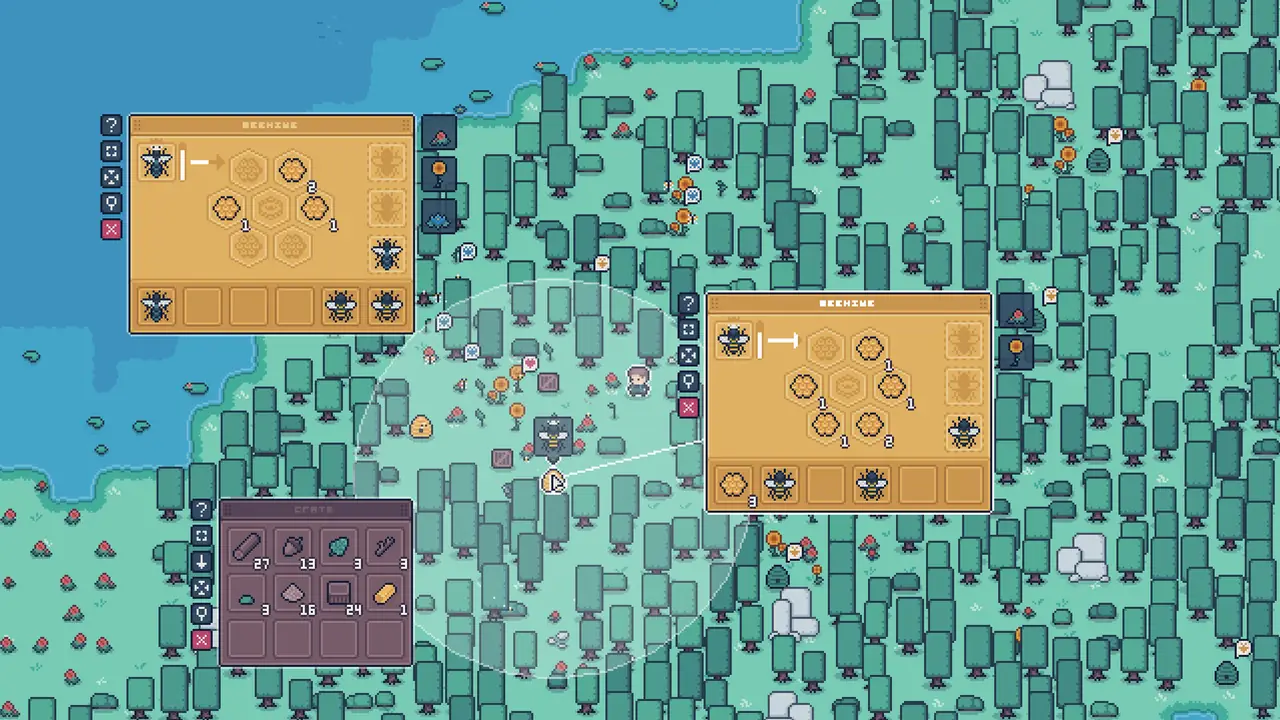
APICO
Focused on beekeeping, it also lets flowers produce new varieties through adjacency or pollination, though I'm unsure of the exact flower-crossing rules.
The difference worth noticing
Rust's crossbreeding is hardcore stat optimization; APICO's leans toward relaxed collecting and discovery.
Case notes are Yoroll editorial summaries; rules may change between versions.
04What could you combine?
Tie to seed reinvestment: each harvest you choose how many seeds to keep as neighbors, trading breeding speed against income.
Prototype this combo in Yoroll→Follow the next idea
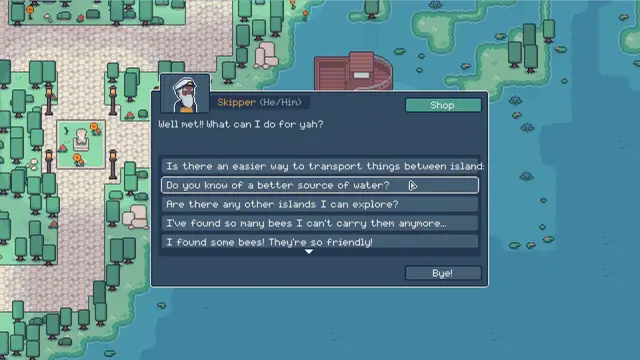
Setting the Stage to Breed
Animals won't breed on a whim; environment, timing and partner all have to line up.
- Prototype complexity
- Who plays
- Solo decisions
- 01Learn breeding needs
- 02Adjust conditions
- 03Wait for breeding
- 04Record what worked
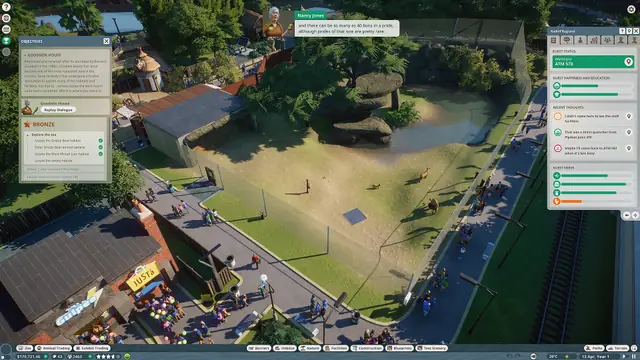
Habitat Capacity Check
Before adding an animal, check whether the space can take one more.
- Prototype complexity
- Who plays
- Solo decisions
- 01Check habitat needs
- 02Plan space and features
- 03Add an animal
- 04Monitor welfare
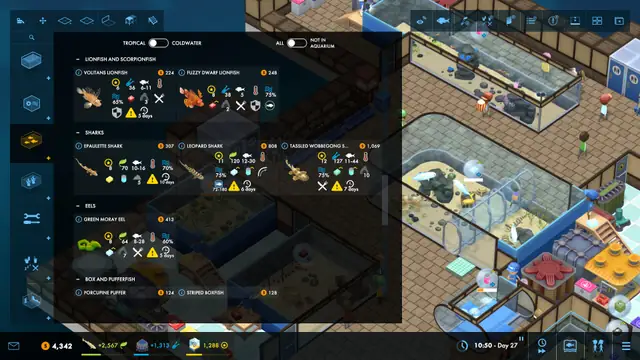
Who Can Live Together
Some species coexist peacefully; others fight or eat each other.
- Prototype complexity
- Who plays
- Solo decisions
- 01Check species traits
- 02Design a mix
- 03Introduce and observe
- 04Adjust or separate