
Livestock Care
Animals need you every day, and the better the care, the better what they give back.
- Prototype complexity
- Who plays
- Solo decisions
- Design focus
- Planning · Progression · Economy
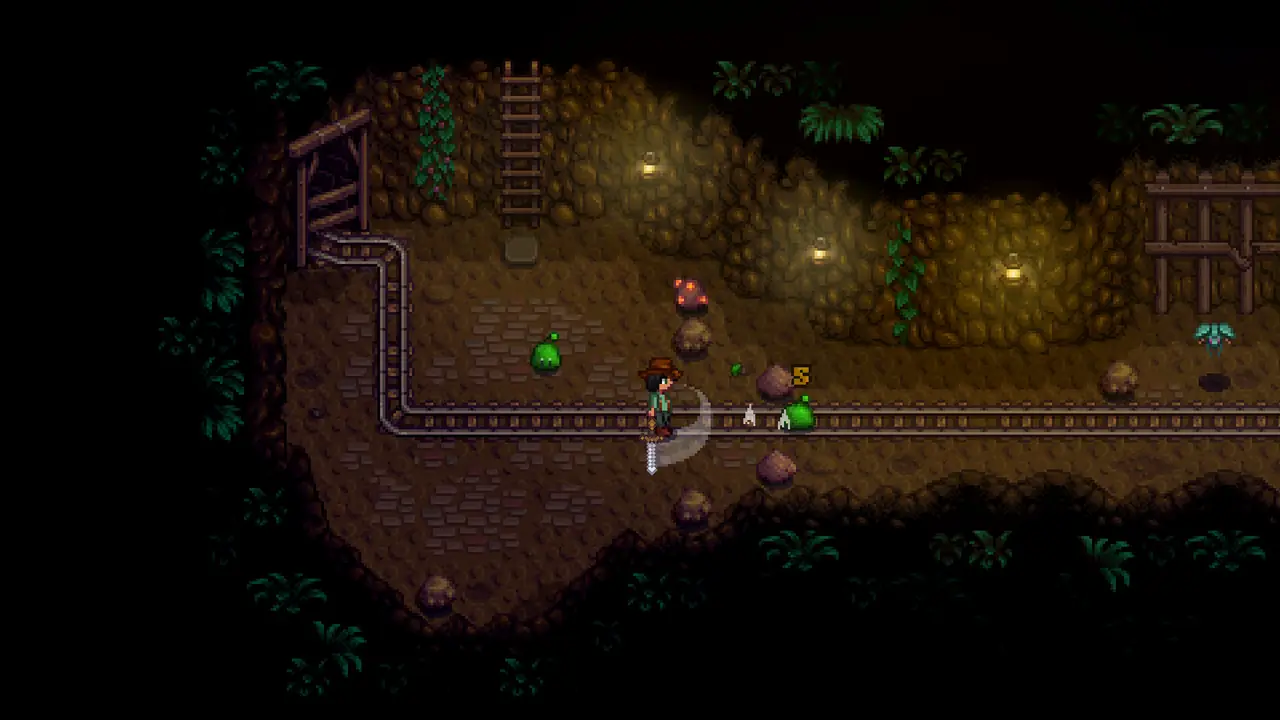 No.230Stardew Valley
01The core loop
Action → feedback → next choice- 01Feed and clean
- 02Interact to build bond
- 03Collect animal products
- 04Expand or process goods
↻Feedback changes the situation — the next round starts from there.
Walk through one round
A simplified design example. Situations and numbers illustrate the mechanic, not exact rules from a reference game.
- T1
Turn 1 · The situation
The player keeps 6 chickens; feeding and petting takes 20 in-game minutes daily, and fully bonded hens double their premium-egg odds.
- T2
Turn 2 · The player chooses
They hold off on expansion and spend two weeks maxing all six bonds.
- T3
Turn 3 · The feedback
Premium eggs rise from 15% to 30%, adding about 25% to daily income.
- T4
Turn 4 · The next decision
They start eyeing a processing machine to turn the remaining normal eggs into pricier goods.
How it plays
Livestock need daily feeding and some interaction; well-kept animals produce more or better goods, while neglected ones slump or fall ill. Players stockpile feed, build barns, and balance herd size against daily workload. Mood icons, affection levels and product quality give clear feedback.
What the player weighs
- Raise more for volume, or fewer so each is well cared for.
- Sell raw goods, or spend time processing them for more value.
02Start small
Scope is an editorial estimate for the minimum prototype, not the reference game or a production schedule.
03One mechanic, different implementations
Stardew Valley
Animals need hay or grazing, and daily petting raises friendship, which improves product quality; coops and barns upgrade to add auto-feeding.
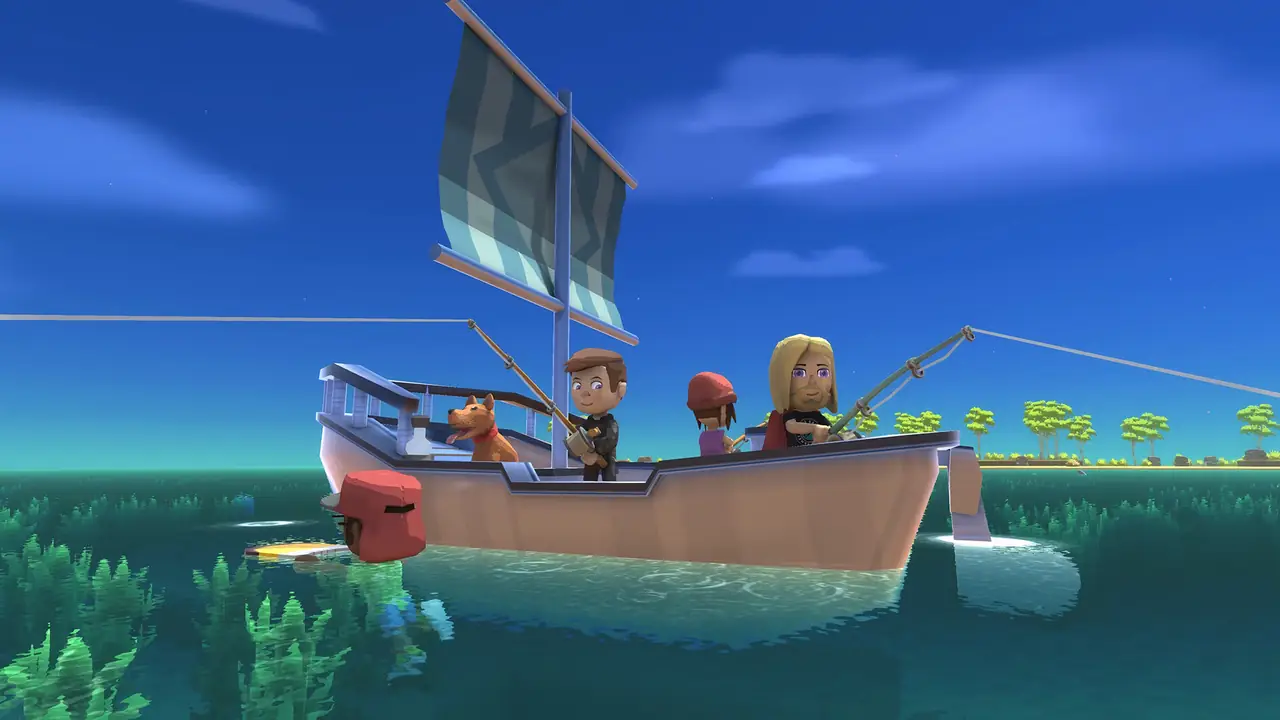
Dinkum
As I recall players raise Australian-flavored farm animals that need feeding and yield products, in a lighter system than Stardew Valley's.
The difference worth noticing
Stardew Valley tightly links care and quality through friendship; Dinkum emphasizes easygoing output and collection.
Case notes are Yoroll editorial summaries; rules may change between versions.
04What could you combine?
Give each animal liked and disliked treats, so players allocate a limited supply to the ones whose output gains most.
Prototype this combo in Yoroll→Follow the next idea
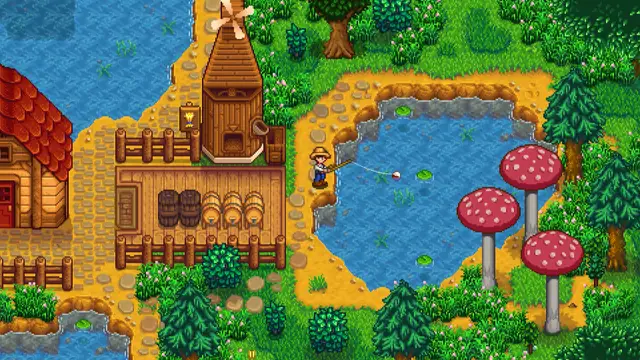
Seed Reinvestment
Sell the harvest or turn it into seeds: earn less today for a bigger field tomorrow.
- Prototype complexity
- Who plays
- Solo decisions
- 01Harvest crops
- 02Sell or keep for seed
- 03Plant more with seeds
- 04Reap a bigger next harvest
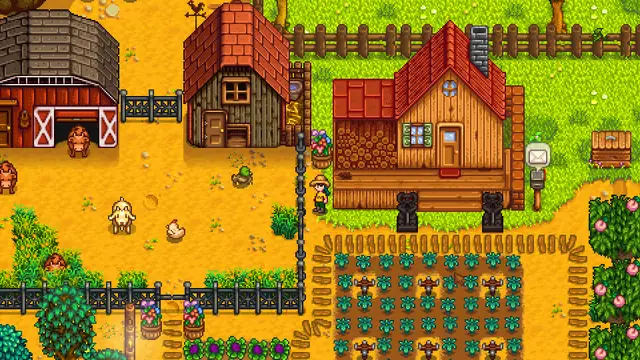
Long-Term Orchards
Fruit trees are pricey, slow and space-hungry, but once grown they pay every year.
- Prototype complexity
- Who plays
- Solo decisions
- 01Buy an expensive sapling
- 02Clear space and plant
- 03Wait through slow growth
- 04Harvest every season
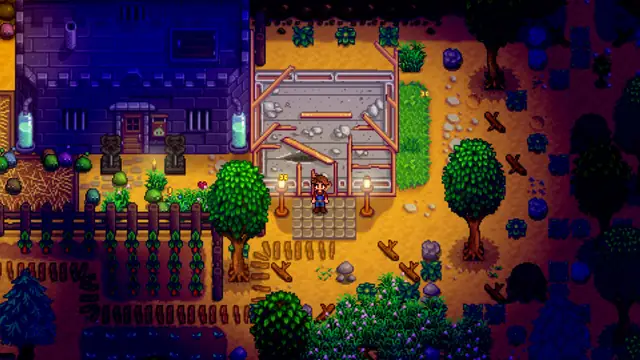
Regrowing Crops
Plant once, harvest many times: a slower start, then income every few days.
- Prototype complexity
- Who plays
- Solo decisions
- 01Plant a regrowing crop
- 02Wait for first harvest
- 03Harvest and it regrows
- 04Collect on each cycle