
Seasonal Planting Windows
Each crop grows only in certain seasons; miss the window and wait a year.
- Prototype complexity
- Who plays
- Solo decisions
- Design focus
- Planning · Time · Economy
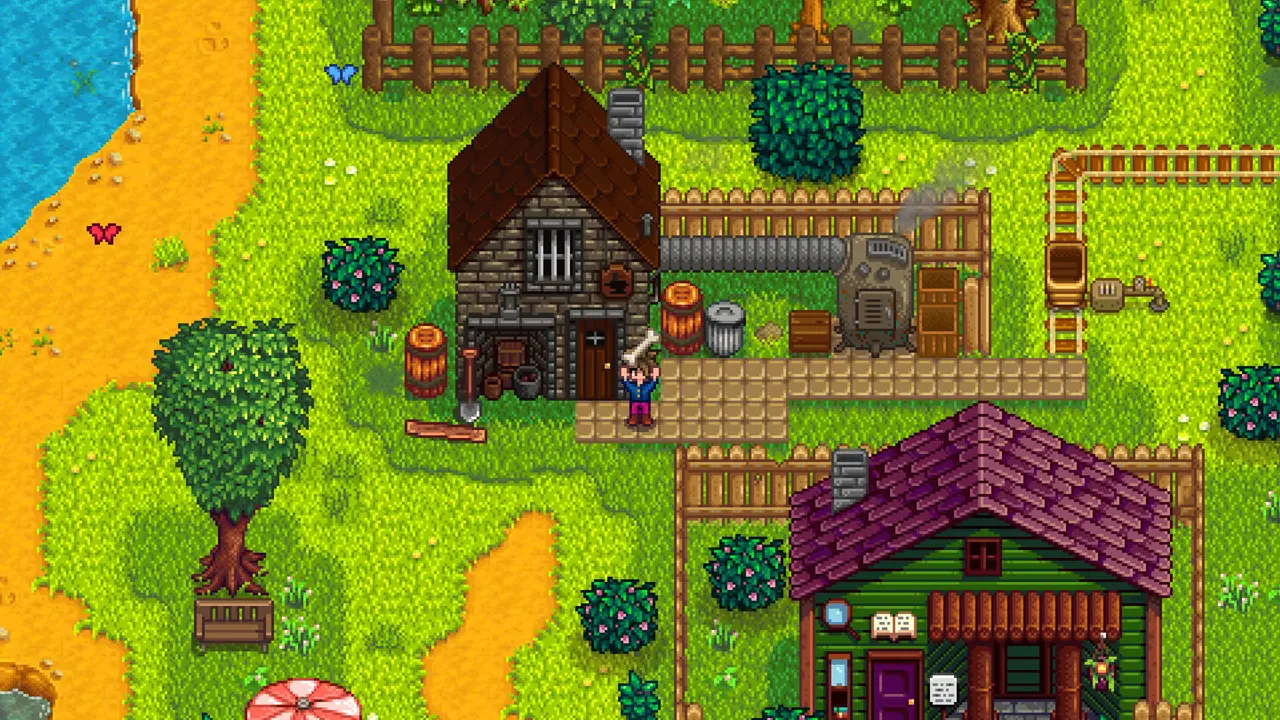 No.222Stardew Valley
01The core loop
Action → feedback → next choice- 01Check what's in season
- 02Count remaining days
- 03Choose crops and plant
- 04Harvest before season ends
↻Feedback changes the situation — the next round starts from there.
Walk through one round
A simplified design example. Situations and numbers illustrate the mechanic, not exact rules from a reference game.
- T1
Turn 1 · The situation
Nine days remain; one crop matures in 8 days for 120, another in 4 days for 50.
- T2
Turn 2 · The player chooses
The player plants the slow crop on 20 tiles.
- T3
Turn 3 · The feedback
All ripen on day 8 for 2,400; two rounds of the fast crop would have made 2,000.
- T4
Turn 4 · The next decision
But a missed watering on a few tiles delays them past the deadline, and the player sees the risk of late planting.
How it plays
The calendar splits into seasons, each crop grows only in its own, and unripe crops die when the season turns. Players count back from crop maturity and days left, and stock seeds for the next season ahead of time. Calendars, season tags on crops and change-of-season warnings are key information.
What the player weighs
- Plant one more round late in the season, or leave land idle until the next.
- Grow pricey single-season crops, or steady multi-season ones.
02Start small
Scope is an editorial estimate for the minimum prototype, not the reference game or a production schedule.
03One mechanic, different implementations
Stardew Valley
The year has four 28-day seasons; crops grow only in their season and wither when it changes, with a few spanning two seasons.
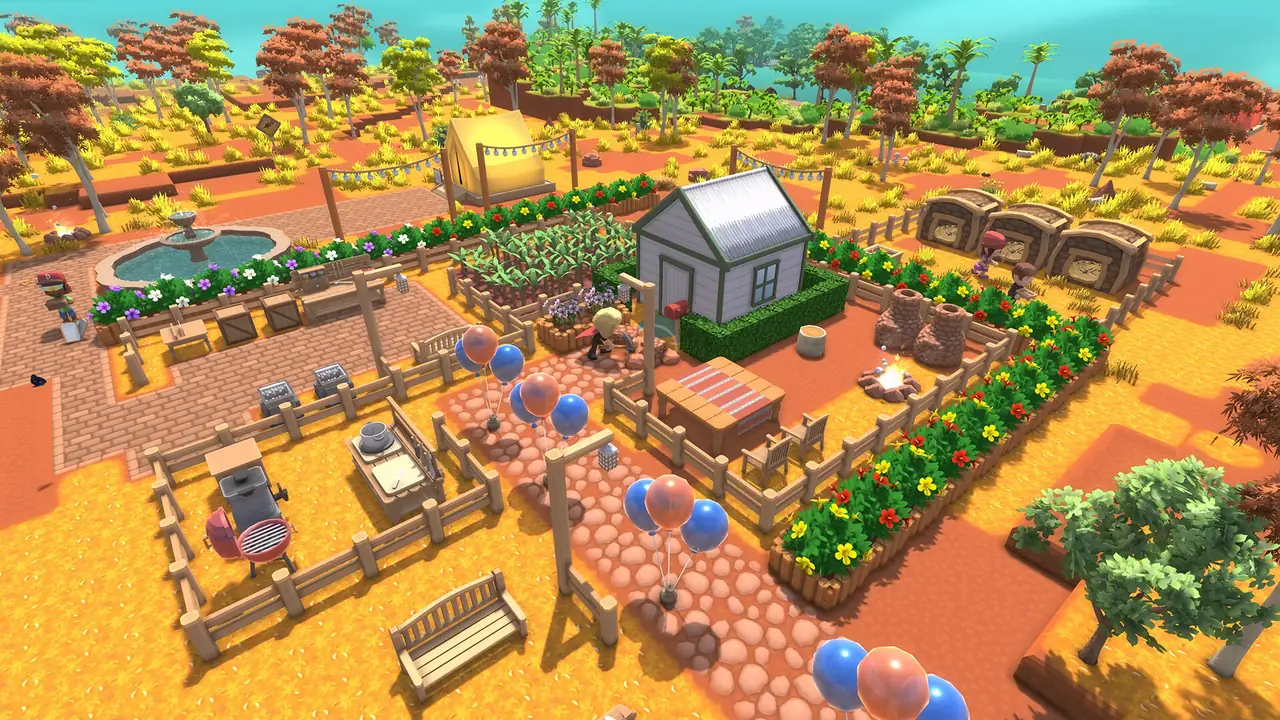
Dinkum
The game has seasons in its Australian-flavored setting, and as I recall crops have their own suitable seasons, so planting plans shift through the year.
The difference worth noticing
Stardew Valley's season rules are strict, with each change a hard deadline; in Dinkum seasons act more as shifts in mood and rhythm.
Case notes are Yoroll editorial summaries; rules may change between versions.
04What could you combine?
Merchants post early-season contracts fillable only with that season's crops, so players choose contracts before planting.
Prototype this combo in Yoroll→Follow the next idea
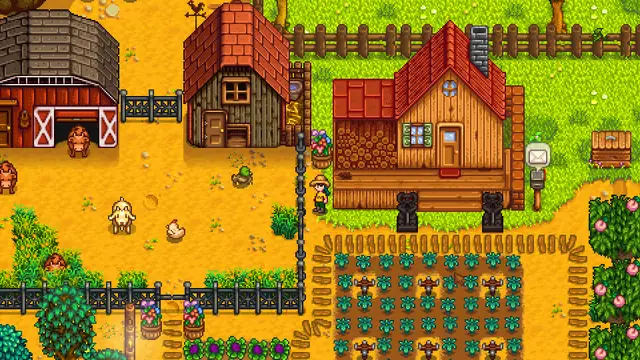
Long-Term Orchards
Fruit trees are pricey, slow and space-hungry, but once grown they pay every year.
- Prototype complexity
- Who plays
- Solo decisions
- 01Buy an expensive sapling
- 02Clear space and plant
- 03Wait through slow growth
- 04Harvest every season
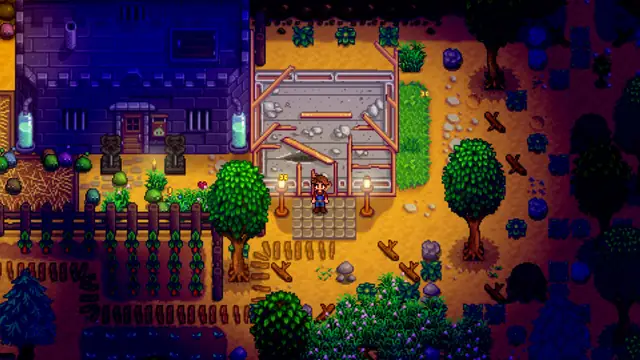
Regrowing Crops
Plant once, harvest many times: a slower start, then income every few days.
- Prototype complexity
- Who plays
- Solo decisions
- 01Plant a regrowing crop
- 02Wait for first harvest
- 03Harvest and it regrows
- 04Collect on each cycle
Deliver Before the Deadline
Taking a contract starts the clock: deliver on time for the reward, or lose it.
- Prototype complexity
- Who plays
- Solo decisions
- 01Browse the board
- 02Accept a contract
- 03Gather or craft
- 04Deliver and get paid